The word “desert” often conjures images of endless golden sand dunes, scorching sun, and perhaps a lone camel trekking across a vast, arid landscape. While this picture is certainly accurate for many desert regions, it only scratches the surface of what the desert biome truly encompasses. Deserts are far more diverse, dynamic, and ecologically rich than commonly perceived, representing some of Earth’s most extreme yet fascinating environments.
At its core, a desert biome is defined by its **scarcity of precipitation**. These are regions that receive very little rainfall, typically less than 250 millimeters (10 inches) per year. This low moisture availability is the primary factor shaping the unique plant and animal life, as well as the geological features, found within these biomes. Despite the harsh conditions, life in the desert is not just surviving; it is thriving through remarkable adaptations.
Beyond the Heat: Unveiling the Diverse World of Deserts
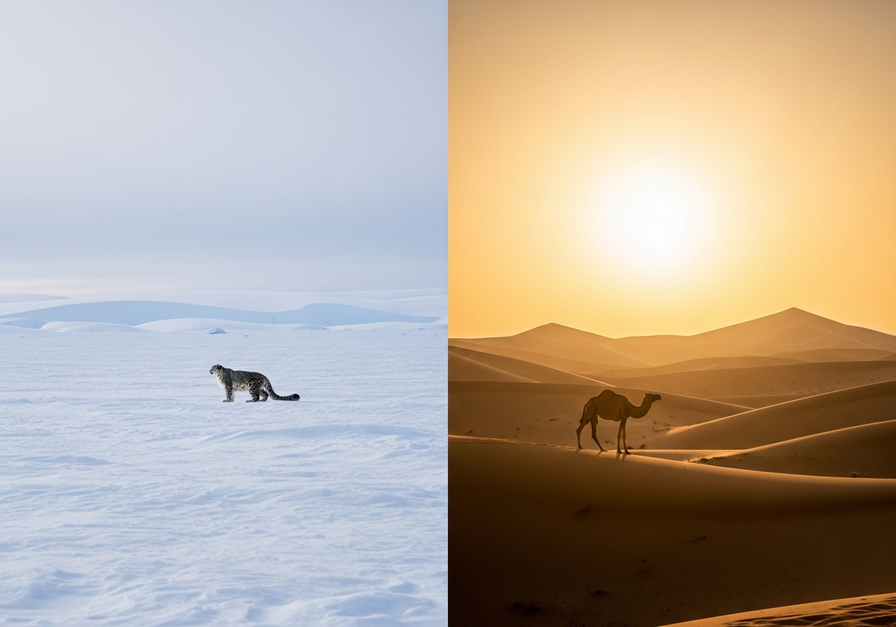
One of the most common misconceptions about deserts is that they are all hot. In reality, deserts span a wide range of temperatures, from the intensely hot to the profoundly cold. This fundamental distinction allows ecologists to categorize deserts into two main types:
- Hot and Dry Deserts: These are the classic deserts, characterized by high daytime temperatures, significant temperature drops at night, and very low humidity. Examples include the Sahara, Arabian, and Sonoran Deserts.
- Cold Deserts: Found in temperate regions, often at high altitudes or in polar areas, these deserts experience cold winters with snowfall and relatively warm summers. Precipitation is still very low, but much of it falls as snow or ice. The Gobi Desert, the Great Basin Desert in North America, and the vast polar regions of Antarctica are prime examples.
This striking contrast highlights the incredible adaptability of life and the diverse conditions that can lead to arid environments.
The Scorching Sands: Hot and Dry Deserts
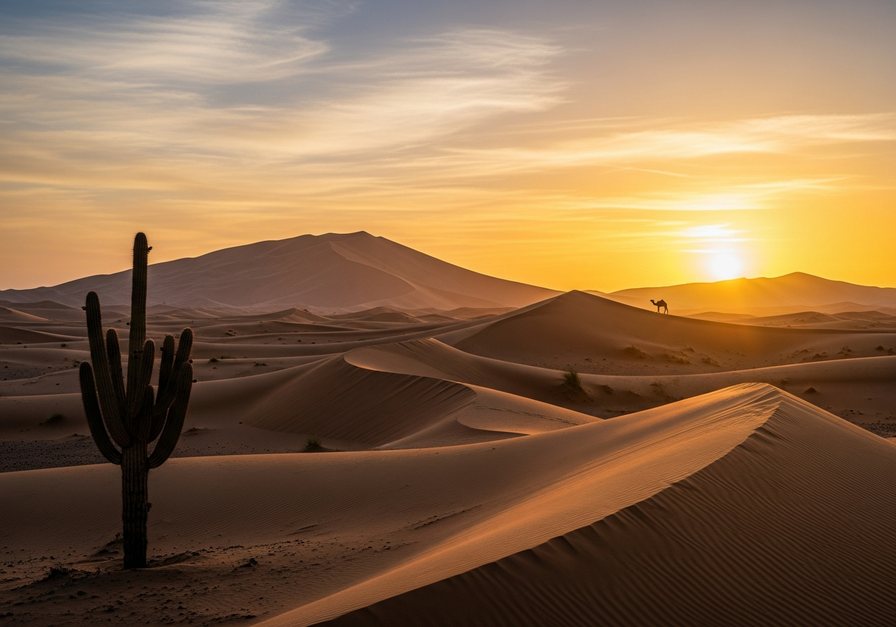
Hot and dry deserts are perhaps the most iconic. They are typically found near the tropics, where high atmospheric pressure systems prevent moisture from rising and forming clouds. This leads to clear skies, intense solar radiation, and rapid heat loss at night.
Key characteristics include:
- Extreme Temperatures: Daytime temperatures can soar above 40°C (104°F), sometimes exceeding 50°C (122°F), while nights can drop significantly, sometimes below freezing.
- Sparse Vegetation: Plants are widely spaced and have developed incredible strategies to conserve water. These include deep root systems, succulent stems for water storage (like cacti), small or absent leaves to reduce transpiration, and a short life cycle that allows them to bloom rapidly after rare rainfall.
- Unique Geology: Vast expanses of sand dunes (erg), rocky plateaus (hamada), and gravel plains (serir) are common features, shaped by wind erosion.
Life in these environments is a testament to resilience. Cacti, with their thick, waxy cuticles and spines, are masters of water retention. Animals like the fennec fox, kangaroo rat, and various reptiles are often nocturnal, seeking refuge from the daytime heat in burrows. Camels, famously, can endure long periods without water, storing fat in their humps and having specialized kidneys to minimize water loss.
The Frozen Frontiers: Cold Deserts
Cold deserts, while less famous, are equally significant. They are often found in the rain shadows of mountain ranges, where moisture-laden air is blocked, or in high-latitude polar regions. Despite the cold, the defining feature remains low precipitation.
Characteristics of cold deserts include:
- Cold Winters: Temperatures can drop well below freezing, with significant snowfall.
- Moderate Summers: Summers can be warm, but still relatively dry.
- Adapted Flora: Vegetation is typically sparse and consists of drought-resistant shrubs, grasses, and mosses that can tolerate cold temperatures and short growing seasons. Examples include sagebrush in the Great Basin and cushion plants in high-altitude deserts.
- Specialized Fauna: Animals often have thick fur or feathers, hibernate during the coldest months, or migrate. Snow leopards in Central Asian cold deserts, and various rodents and birds in the Great Basin, exemplify this adaptation.
The Antarctic polar desert, for instance, is the largest desert on Earth. While it is covered in ice, the interior receives extremely little snowfall, making it technically a desert. Life here is concentrated along the coasts, with penguins, seals, and specialized marine life, while the interior is largely barren.
The Web of Life: Desert Ecology and Adaptations
Despite their seemingly barren appearance, deserts host intricate and fascinating ecological communities. Every organism plays a crucial role in the delicate balance of these extreme environments.
Survival Strategies: Masters of Adaptation
Life in the desert is a constant battle against water scarcity and temperature extremes. Organisms have evolved an astonishing array of adaptations:
- Water Conservation:
- Plants: Succulence (storing water in fleshy tissues), deep taproots to reach groundwater, shallow widespread roots to capture surface moisture, small or absent leaves, waxy coatings, and CAM photosynthesis (opening stomata at night to reduce water loss).
- Animals: Nocturnal activity, burrowing, highly efficient kidneys to produce concentrated urine, obtaining water from food, and specialized metabolic processes.
- Temperature Regulation:
- Plants: Light-colored leaves to reflect sunlight, dense hairs to create an insulating layer, and shedding leaves during extreme drought.
- Animals: Large ears for heat dissipation (fennec fox), light coloration to reflect heat, seeking shade or burrows, and estivation (a form of dormancy during hot, dry periods).
Desert Food Webs: A Delicate Balance
Desert food webs are often simpler than those in more lush biomes, but they are no less vital. Producers, such as cacti, shrubs, and grasses, form the base. Herbivores, like kangaroo rats, desert hares, and various insects, feed on these plants. Predators, including snakes, lizards, scorpions, and birds of prey, then consume the herbivores. Decomposers, such as bacteria and fungi, break down organic matter, recycling nutrients back into the sparse soil.
Keystone species, though sometimes small, can have a disproportionately large impact on the ecosystem. For example, the kangaroo rat, by burrowing, creates microhabitats for other species and helps aerate the soil. Its seed caching also aids in plant dispersal.
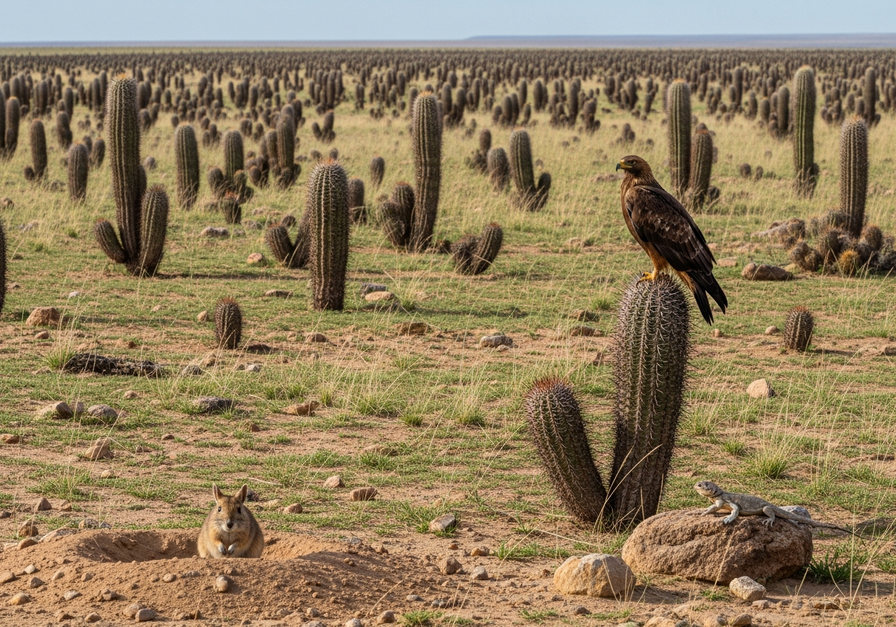
The intricate dance of predator and prey, plant and pollinator, in the desert highlights the interconnectedness of all life, even in the most challenging environments.
Challenges and Conservation in Desert Biomes
Despite their resilience, desert biomes face significant threats from human activities and global environmental changes.
Threats to Desert Ecosystems
- Desertification: The process by which fertile land becomes desert, typically as a result of drought, deforestation, or inappropriate agriculture. This is a major concern, particularly in areas bordering existing deserts.
- Climate Change: Altered precipitation patterns, increased temperatures, and more frequent extreme weather events can push desert ecosystems beyond their adaptive limits.
- Water Scarcity and Diversion: Human demand for water in arid regions often leads to the depletion of groundwater and surface water sources, impacting both human and natural communities.
- Habitat Loss and Fragmentation: Urban expansion, mining, and infrastructure development can destroy critical desert habitats and disrupt wildlife corridors.
- Invasive Species: Non-native plants and animals can outcompete native species, alter fire regimes, and disrupt delicate ecological balances.
The Importance of Desert Conservation
Conserving desert biomes is crucial for several reasons:
- Biodiversity: Deserts harbor unique and highly adapted species found nowhere else on Earth.
- Ecological Services: Deserts play a role in global climate regulation, nutrient cycling, and provide unique genetic resources.
- Cultural Significance: Many indigenous cultures have deep historical and spiritual connections to desert landscapes.
- Scientific Research: Deserts offer unparalleled opportunities to study adaptation, resilience, and the impacts of environmental change.
Conservation efforts often focus on sustainable land management, protecting critical habitats, controlling invasive species, and promoting responsible tourism. Understanding the complex dynamics of these biomes is the first step toward ensuring their long-term survival.
Conclusion: The Enduring Allure of the Arid Lands
The desert biome, far from being a desolate wasteland, is a vibrant and vital part of our planet’s ecological tapestry. From the scorching sands of the Sahara to the icy plains of Antarctica, these arid lands showcase life’s extraordinary capacity for adaptation and survival. They challenge our perceptions of what constitutes a thriving ecosystem and offer profound lessons in resilience.
By appreciating the intricate food webs, the ingenious adaptations of plants and animals, and the delicate balance that sustains life in these extreme conditions, we gain a deeper understanding of Earth’s biodiversity. Protecting these unique environments is not just about preserving a landscape; it is about safeguarding a testament to life’s enduring power and the intricate beauty of our natural world.