The natural world provides humanity with an astonishing array of benefits, often categorized as “Ecosystem Services.” These services are the many ways in which ecosystems support human life and well-being. While some benefits, like food and clean water, are immediately obvious, others are more subtle, yet equally vital. Among these, the concept of “Cultural Services” stands out as a profound, often underestimated, connection between humans and nature.
Cultural services represent the non-material benefits people obtain from ecosystems through spiritual enrichment, cognitive development, reflection, recreation, and aesthetic experiences. They are the ways in which nature inspires, heals, educates, and connects us to something larger than ourselves. Understanding these services is crucial for appreciating the full value of our planet’s biodiversity and for fostering a deeper commitment to its conservation.
What Are Cultural Services?
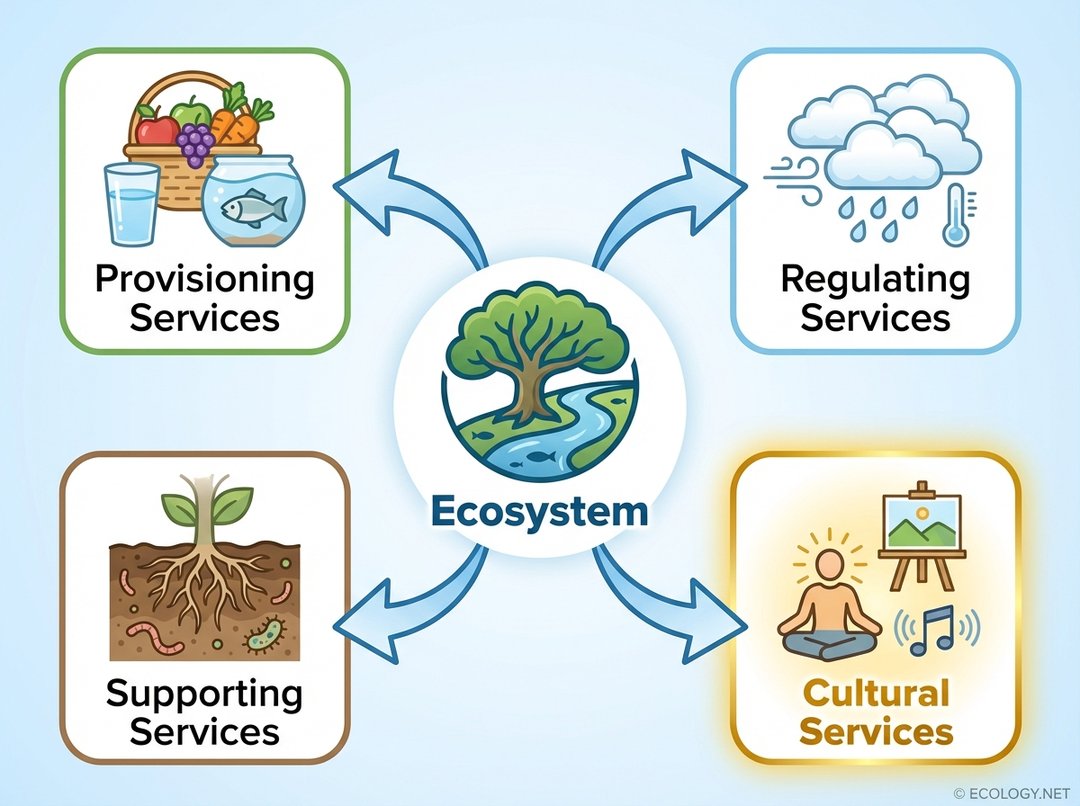
To fully grasp cultural services, it is helpful to see them within the broader framework of ecosystem services. Ecosystem services are typically grouped into four main categories:
- Provisioning Services: These are the products directly obtained from ecosystems, such as food, fresh water, timber, and genetic resources.
- Regulating Services: These are the benefits obtained from the regulation of ecosystem processes, including climate regulation, flood control, disease regulation, and water purification.
- Supporting Services: These are necessary for the production of all other ecosystem services. They include nutrient cycling, soil formation, and primary production.
- Cultural Services: These are the non-material benefits that enrich human lives, providing spaces for recreation, spiritual fulfillment, aesthetic appreciation, and intellectual development.
Unlike a fish caught for food (a provisioning service) or a forest absorbing carbon dioxide (a regulating service), cultural services are about the experiences and intangible values we derive from nature. They are about the feeling of awe inspired by a mountain vista, the peace found in a quiet forest, or the knowledge gained from studying a wetland ecosystem.
Beyond the Practical: Why Cultural Services Matter
While provisioning and regulating services are essential for our physical survival, cultural services are fundamental to our mental, emotional, and spiritual well-being. They contribute significantly to our quality of life, shaping our identities, traditions, and sense of belonging. Imagine a world devoid of natural beauty, quiet spaces, or opportunities for outdoor adventure. Such a world would be profoundly impoverished, regardless of its material wealth.
Cultural services foster a deep connection between people and their environment, encouraging stewardship and conservation. When individuals feel a personal, emotional, or spiritual bond with a natural place, they are far more likely to protect it. This intrinsic value, though difficult to quantify, is arguably one of the most powerful drivers for environmental action.
Delving Deeper: Types of Cultural Services
The diversity of cultural services is vast, reflecting the myriad ways humans interact with and are influenced by nature. Here are some key categories:
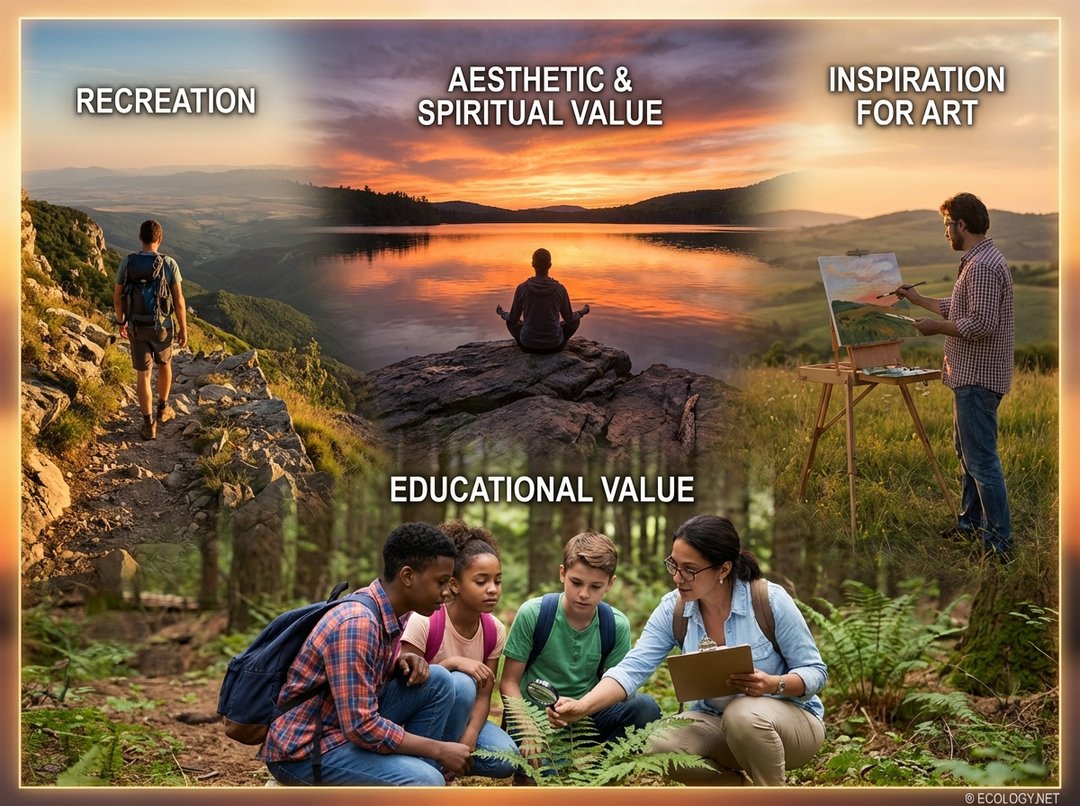
Recreation and Ecotourism
- Outdoor Activities: Hiking, camping, fishing, birdwatching, kayaking, skiing, and simply enjoying a picnic in a park are all forms of recreation that rely on healthy ecosystems. These activities provide physical exercise, stress reduction, and opportunities for social interaction.
- Ecotourism: This specific form of tourism focuses on responsible travel to natural areas, conserving the environment, and improving the well-being of local people. It allows visitors to experience unique natural wonders while supporting conservation efforts.
Aesthetic Value
- Beauty and Inspiration: The breathtaking beauty of a sunset over the ocean, the vibrant colors of a wildflower meadow, or the majestic grandeur of a mountain range evoke feelings of wonder and appreciation. This aesthetic value inspires artists, photographers, writers, and everyday observers alike.
Spiritual and Religious Values
- Sacred Sites: Many cultures and religions hold specific natural sites, such as mountains, rivers, forests, or ancient trees, as sacred. These places are central to spiritual practices, rituals, and beliefs, offering spaces for contemplation, pilgrimage, and connection to the divine.
- Sense of Awe: Beyond formal religion, many individuals experience a profound sense of awe, peace, and spiritual connection when immersed in nature, finding solace and perspective in its vastness and complexity.
Inspiration for Art, Culture, and Design
- Creative Expression: Nature has been an enduring muse for human creativity throughout history. From landscape paintings and nature poetry to traditional music and architectural designs inspired by natural forms, ecosystems provide a rich source of ideas and motifs.
- Cultural Identity: Natural landscapes often become integral to a community’s cultural identity, influencing folklore, traditions, and local narratives.
Educational and Scientific Opportunities
- Learning Environments: Ecosystems serve as living classrooms, offering unparalleled opportunities for scientific research, environmental education, and hands-on learning about biology, ecology, and conservation.
- Knowledge Generation: Scientists continually study natural systems to understand ecological processes, biodiversity, and the impacts of human activities, contributing to our collective knowledge and informing sustainable practices.
Sense of Place and Cultural Heritage
- Local Identity: Specific natural features often define a community’s sense of place, fostering local pride and belonging. Think of a town nestled by a unique river or a village at the foot of a distinctive mountain.
- Historical Connection: Landscapes can hold historical significance, bearing witness to past events and providing a tangible link to cultural heritage and ancestral lands.
The Intangible Impact: Benefits to Human Well-being
The benefits of cultural services extend deeply into human well-being, influencing our physical, mental, and social health:
- Mental Health: Spending time in nature has been shown to reduce stress, anxiety, and symptoms of depression. It promotes relaxation, improves mood, and enhances cognitive function.
- Physical Health: Opportunities for outdoor recreation encourage physical activity, contributing to better cardiovascular health, stronger immune systems, and overall fitness.
- Social Cohesion: Shared experiences in natural settings, whether through community gardening, group hikes, or simply enjoying a park, can strengthen social bonds and foster a sense of community.
- Personal Growth: Engaging with nature can inspire introspection, creativity, and a deeper understanding of one’s place in the world, contributing to personal development and spiritual growth.
- Resilience: A strong connection to nature can provide a source of comfort and resilience during challenging times, offering a sense of stability and continuity.
Challenges of Valuing Cultural Services
Despite their profound importance, cultural services often face significant challenges in conservation and policy decisions because they are notoriously difficult to quantify in monetary terms. How does one put a price tag on the awe inspired by a pristine wilderness, the spiritual solace found in a sacred grove, or the educational value of a vibrant ecosystem?
This difficulty in economic valuation means that cultural services can be overlooked or undervalued in development projects or land-use planning. Decisions often prioritize services that can be easily monetized, such as timber production or agricultural yields, potentially leading to the degradation of natural areas that provide invaluable, yet intangible, cultural benefits.
The true value of a wild river or an ancient forest often lies not in what it can be sold for, but in what it offers to the human spirit and to the fabric of our culture.
Recognizing this challenge is the first step towards developing more holistic approaches to environmental management that consider the full spectrum of benefits ecosystems provide, including those that enrich our lives in non-material ways.
Protecting and Promoting Cultural Services
Safeguarding cultural services requires a multi-faceted approach that goes beyond traditional economic models:
- Integrated Planning: Incorporating cultural values into land-use planning and conservation strategies ensures that natural spaces are managed not just for their material outputs, but also for their aesthetic, spiritual, and recreational potential.
- Community Engagement: Involving local communities in the management of natural areas is crucial, as their cultural heritage and traditional practices are often deeply intertwined with specific ecosystems.
- Environmental Education: Promoting environmental literacy and fostering a deeper appreciation for nature’s non-material benefits from a young age can cultivate a generation of stewards.
- Policy Recognition: Developing policies that explicitly acknowledge and protect cultural ecosystem services, even without direct monetary valuation, can provide a legal framework for their conservation.
- Sustainable Tourism: Encouraging responsible ecotourism practices that minimize environmental impact and support local communities can help sustain the very experiences visitors seek.
Conclusion
Cultural services are the threads that weave nature into the tapestry of human existence, enriching our lives in countless, often immeasurable, ways. They remind us that our relationship with the environment is not merely transactional, but deeply experiential and profoundly spiritual. From the joy of a hike in a national park to the quiet contemplation inspired by a majestic landscape, these services are fundamental to our well-being, our creativity, and our collective identity.
As we navigate the complexities of environmental challenges, it is imperative that we recognize, value, and actively protect these intangible gifts from nature. By doing so, we not only preserve the beauty and wonder of the natural world, but also safeguard a vital part of what it means to be human.