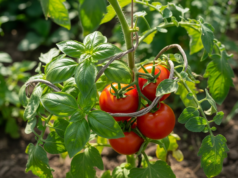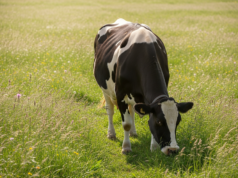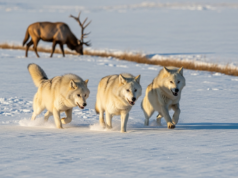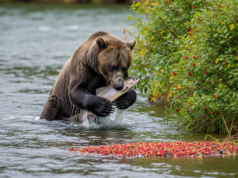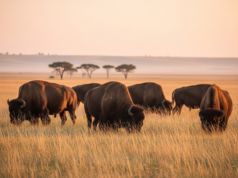
The Earth teems with an astonishing diversity of life, from the microscopic organisms thriving in deep ocean vents to the towering redwood forests reaching for the sky. This incredible tapestry of species, ecosystems, and genetic variation is what we call biodiversity. Yet, this natural heritage faces unprecedented threats, pushing countless species towards the brink of extinction and unraveling the very fabric of life on our planet. This is where Conservation Biology steps in, a vital and urgent scientific discipline dedicated to understanding and protecting Earth’s biodiversity.
Conservation Biology is not merely about saving individual animals or plants; it is a holistic, interdisciplinary field that draws upon ecology, genetics, economics, sociology, ethics, and policy. It is often referred to as a “crisis discipline” because its practitioners must act quickly and decisively to address immediate threats while also planning for long-term sustainability. The ultimate goal is to provide the scientific foundation and practical tools for preserving biodiversity at all levels, from genes to entire ecosystems.
Why Conservation Biology Matters: The Value of Biodiversity
The importance of biodiversity extends far beyond aesthetic appreciation. Healthy, diverse ecosystems provide invaluable ecosystem services that are essential for human well-being and survival. These services include:
- Clean Air and Water: Forests filter air pollutants, and wetlands purify water.
- Pollination: Insects, birds, and bats pollinate crops, ensuring our food supply.
- Soil Fertility: Microorganisms and invertebrates maintain healthy soil for agriculture.
- Climate Regulation: Forests and oceans absorb carbon dioxide, mitigating climate change.
- Natural Pest Control: Predators keep pest populations in check, reducing the need for harmful pesticides.
- Sources of Medicine: Many pharmaceutical drugs are derived from plants, fungi, and animals.
- Cultural and Recreational Value: Nature provides inspiration, spiritual solace, and opportunities for recreation like hiking and wildlife viewing.
When biodiversity declines, these essential services are compromised, leading to profound consequences for human societies and the planet as a whole.
Major Threats to Biodiversity: A Global Crisis
The threats to biodiversity are complex and interconnected, largely driven by human activities. Understanding these pressures is the first step towards effective conservation. Here are some of the most significant:
Habitat Loss and Fragmentation
The conversion of natural habitats for agriculture, urbanization, infrastructure development, and resource extraction is the single greatest threat to biodiversity. When habitats are destroyed, species lose their homes, food sources, and breeding grounds. Even if some habitat remains, it often becomes fragmented into smaller, isolated patches. These fragments are less able to support viable populations, making species more vulnerable to local extinction.
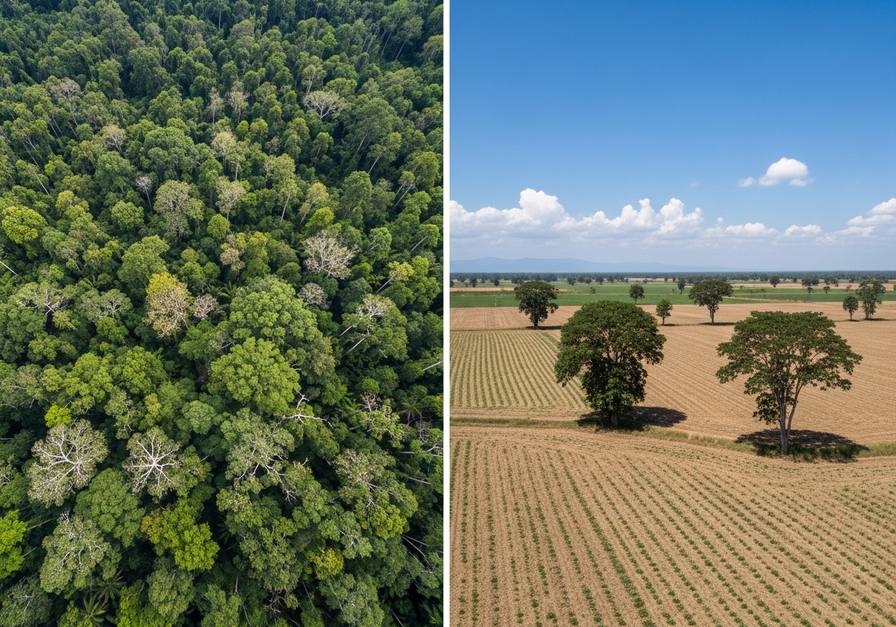
Consider the Amazon rainforest, a global biodiversity hotspot. Vast areas are cleared annually for cattle ranching and soy cultivation, turning diverse forest into monoculture fields. This not only destroys habitat but also isolates remaining forest patches, preventing species from moving between them and reducing their genetic exchange.
Climate Change
A rapidly changing global climate poses an existential threat to many species and ecosystems. Rising global temperatures, altered precipitation patterns, more frequent extreme weather events, and ocean acidification are forcing species to adapt or migrate at speeds many cannot match. Coral reefs, for example, are particularly vulnerable to rising ocean temperatures, which cause them to expel the algae living in their tissues, leading to coral bleaching and often death.
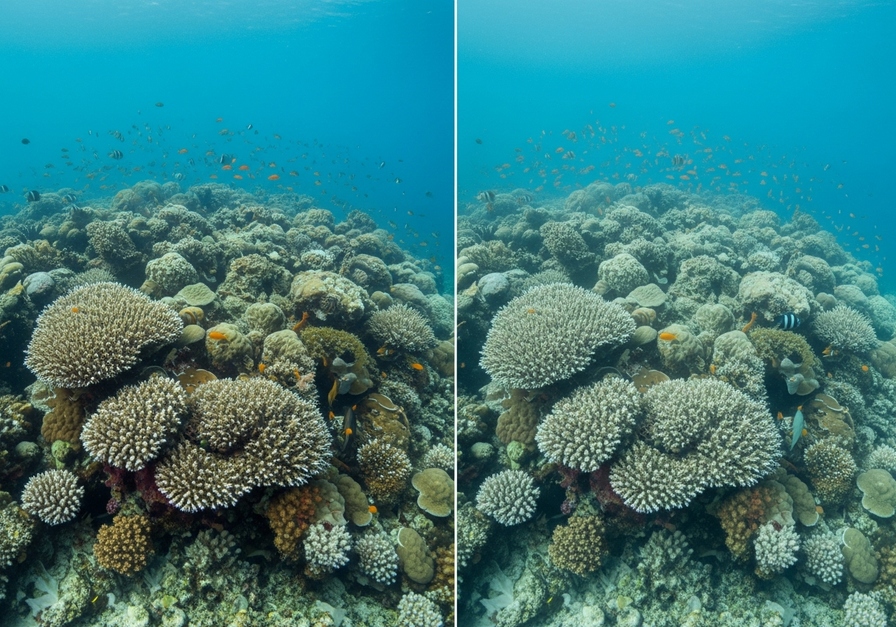
The stark contrast between a vibrant, healthy reef and a bleached, lifeless one underscores the devastating impact of climate change on marine ecosystems. This phenomenon affects not only the corals themselves but also the countless fish and other marine organisms that rely on reefs for food and shelter.
Overexploitation
The unsustainable harvesting of wild plants and animals, whether for food, timber, medicine, or the pet trade, can decimate populations. Overfishing has depleted many marine stocks, while illegal wildlife trade threatens iconic species like rhinos, elephants, and pangolins. When species are removed from an ecosystem faster than they can reproduce, their populations decline, sometimes to the point of no return.
Pollution
Pollution in its various forms contaminates air, water, and soil, harming wildlife and ecosystems. Pesticides can poison non-target species, plastic waste chokes marine animals, and industrial chemicals accumulate in food chains, leading to reproductive failure and disease in top predators. Nutrient runoff from agriculture can create “dead zones” in aquatic environments, suffocating marine life.
Invasive Species
The introduction of non-native species into new environments, either intentionally or accidentally, can have catastrophic effects on native biodiversity. Invasive species often outcompete native species for resources, prey upon them, or introduce diseases, leading to declines or extinctions. Examples include the brown tree snake in Guam, which decimated native bird populations, and zebra mussels in North America, which alter aquatic ecosystems.
Strategies for Conservation: Hope Through Action
Despite the daunting challenges, conservation biology offers a framework for effective action. A range of strategies, from protecting vast wilderness areas to managing individual species, are employed to safeguard biodiversity.
Protected Areas and Habitat Restoration
Establishing and effectively managing national parks, wildlife refuges, and marine protected areas is a cornerstone of conservation. These areas provide safe havens for species and allow natural processes to unfold. Beyond protection, ecological restoration aims to repair degraded ecosystems, such as reforesting clear-cut areas or restoring wetlands, to bring back their ecological functions and biodiversity.
“Conservation is a state of harmony between men and land.”
— Aldo Leopold
Species-Specific Management and Recovery Plans
For critically endangered species, targeted interventions are often necessary. This can involve captive breeding programs, reintroduction into the wild, habitat improvements, and strict legal protections. The success of these efforts often requires long-term commitment and significant resources.
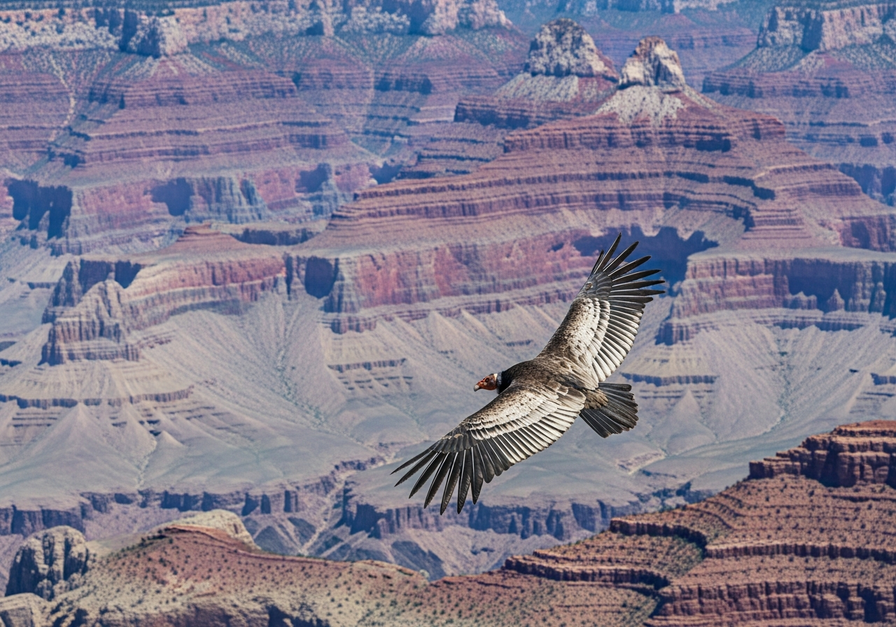
The recovery of the California condor is a powerful example of successful species-specific management. Once reduced to just 22 individuals in the 1980s, an intensive captive breeding and reintroduction program, coupled with protected areas, has slowly brought this magnificent bird back from the brink of extinction. Seeing a condor soar over the Grand Canyon is a testament to dedicated conservation efforts.
Sustainable Resource Management
Conservation also involves promoting sustainable practices in industries like forestry, fisheries, and agriculture. This means harvesting resources at a rate that allows for their regeneration, minimizing environmental impact, and ensuring long-term availability for both humans and wildlife.
Community Engagement and Policy
Effective conservation cannot happen without the involvement of local communities. Engaging people in conservation efforts, respecting traditional ecological knowledge, and ensuring that conservation benefits local livelihoods are crucial. Furthermore, strong environmental policies and international agreements are essential to address transboundary issues like climate change and illegal wildlife trade.
Advanced Concepts in Conservation Biology: Deeper Insights
For those delving deeper into conservation, several advanced concepts provide a more nuanced understanding of how to tackle biodiversity challenges:
Conservation Genetics
This field applies genetic principles to conservation. It helps determine the minimum viable population (MVP) size needed to prevent inbreeding and maintain genetic diversity, which is crucial for a species’ long-term adaptability to environmental changes. Genetic analysis can also identify distinct populations, track illegal wildlife trade, and guide breeding programs.
Population Viability Analysis (PVA)
PVA uses demographic data and computer models to predict the probability of a population’s extinction over a given time frame. It helps conservationists assess the risks faced by endangered species, evaluate the effectiveness of different management strategies, and set conservation targets.
Metapopulation Dynamics
Many species exist not as a single large population but as a network of smaller, interconnected populations called a metapopulation. Understanding how these local populations interact, including colonization and extinction events, is vital for designing effective protected area networks and habitat corridors that facilitate movement and genetic exchange.
Ecosystem Services Valuation
This involves assigning economic values to the benefits that ecosystems provide to humans. While controversial for some, it can be a powerful tool to demonstrate the tangible economic losses associated with biodiversity destruction and to advocate for conservation investments to policymakers and businesses.
Adaptive Management
Conservation is often conducted in the face of uncertainty. Adaptive management is a systematic approach that treats management actions as experiments. It involves implementing a strategy, monitoring its effects, learning from the outcomes, and then adjusting future actions based on that learning. This iterative process allows conservationists to refine their approaches over time.
The Future of Conservation: A Collective Responsibility
Conservation Biology is a dynamic and evolving field, continually adapting to new scientific discoveries, technological advancements, and emerging environmental challenges. From using drones for wildlife monitoring to applying artificial intelligence for habitat mapping, innovation plays a crucial role. However, the fundamental message remains constant: the fate of Earth’s biodiversity rests on collective human action.
Protecting biodiversity is not just a scientific endeavor; it is an ethical imperative and a practical necessity for a sustainable future. Every individual, community, and nation has a role to play in supporting conservation efforts, whether through responsible consumption, advocating for strong environmental policies, or directly participating in local conservation initiatives. By understanding the principles of Conservation Biology and acting upon them, humanity can work towards a future where both people and nature thrive in harmony.