The Leaf Eaters: Unraveling the World of Folivores
Life on Earth is a grand tapestry of interconnectedness, and at the heart of many ecosystems are the primary consumers. Among these, a fascinating group stands out for their specialized diet: the folivores. These are animals that primarily subsist on leaves, a dietary choice that presents a unique set of challenges and has driven some of the most remarkable evolutionary adaptations in the animal kingdom.
From the towering rainforest canopies to the arid scrublands, folivores play a crucial role in shaping plant communities and nutrient cycles. Their lives are a testament to nature’s ingenuity, showcasing how organisms can thrive on what might seem like an unappetizing and difficult food source.
The Green Paradox: Why Leaves are a Tough Meal
While leaves are abundant, they are far from an easy meal. Unlike fruits or seeds, which are often designed to be eaten and dispersed, leaves are typically defended by plants to prevent herbivory. This defense comes in several forms:
- Structural Toughness: Leaves are rich in cellulose and lignin, complex carbohydrates that provide structural rigidity but are incredibly difficult for most animals to digest.
- Low Nutritional Value: Compared to other plant parts, mature leaves often have lower concentrations of essential nutrients like protein and fats. They are largely water and fiber.
- Chemical Defenses: Plants produce a vast array of secondary metabolites, including tannins, alkaloids, and terpenes, which can be toxic, bitter, or reduce nutrient absorption.
To overcome these hurdles, folivores have evolved an astonishing array of anatomical, physiological, and behavioral adaptations.
Mastering the Leafy Diet: Adaptations of Folivores
The success of folivores hinges on their ability to efficiently process and extract nutrients from leaves. This has led to a diverse toolkit of specialized features.
Anatomical Marvels
The journey of a leaf through a folivore’s body begins with its mouth and ends with its digestive tract, each step optimized for the task.
- Specialized Dentition: Many folivores possess broad, flat molars with ridged surfaces, perfect for grinding tough plant material. These teeth act like millstones, breaking down fibrous leaves into smaller, more digestible particles.
- Powerful Jaws and Muscles: Strong jaw muscles are essential for the sustained chewing required to process large quantities of fibrous leaves.
- Complex Digestive Systems: This is perhaps the most critical adaptation. Folivores often have elongated digestive tracts and specialized fermentation chambers where symbiotic microorganisms break down cellulose.
Consider the koala, a quintessential folivore. Its diet consists almost exclusively of eucalyptus leaves, which are notoriously tough and contain potent toxins. The koala’s digestive system is a marvel of adaptation, featuring a very long cecum where bacteria detoxify compounds and ferment cellulose.

The image above shows the specialized anatomical adaptations of folivores, highlighting how a koala uses its teeth and claws to process tough, low-nutrient leaves. Notice the koala’s powerful grip and the visible molars designed for grinding.
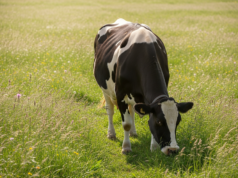
Ruminants, such as deer and cattle, are another prime example. They possess a four-chambered stomach, with the rumen acting as a massive fermentation vat. Here, bacteria and protozoa break down cellulose, and the animal then regurgitates and re-chews the cud, further aiding digestion.
Behavioral Strategies
Beyond internal plumbing, folivores employ clever behavioral tactics to maximize their energy intake and minimize exposure to toxins.
- Selective Foraging: Not all leaves are created equal. Many folivores are highly selective, choosing younger, more tender leaves that are higher in nutrients and lower in toxins, or leaves from specific plant species they can tolerate.
- Energy Conservation: Since leaves offer relatively low energy returns, many folivores adopt a low-energy lifestyle. Sloths, for instance, are famous for their slow movements and extended rest periods, a direct consequence of their leaf-based diet.
- Detoxification Strategies: Some folivores consume soil or clay, which can bind to toxins in their gut and help neutralize them.
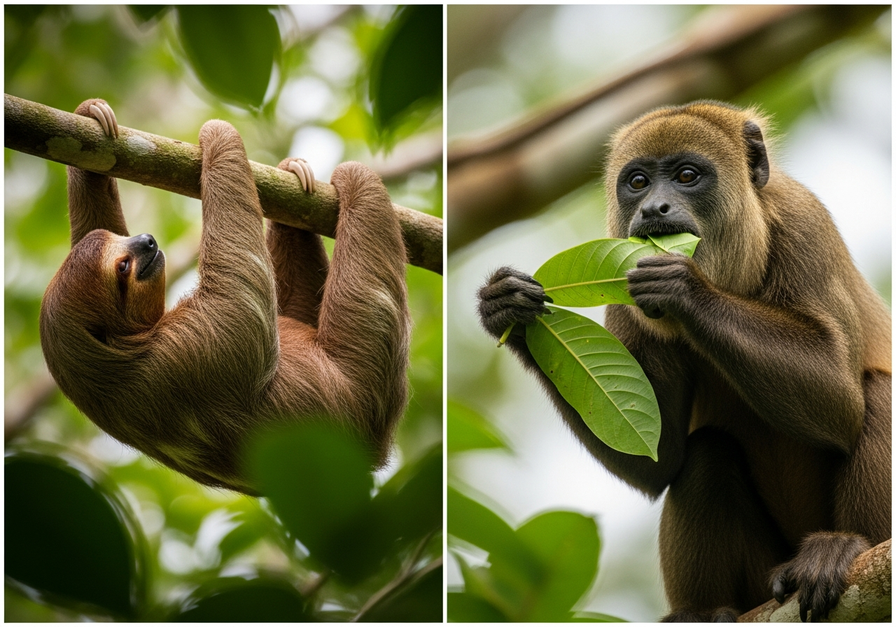
This image illustrates contrasting behavioral adaptations: sloths’ slow metabolism and extended rest periods versus howler monkeys’ active selective foraging. The sloth conserves energy, while the howler monkey carefully selects its leafy meal.
Diverse Examples from Across the Globe
Folivores are found in nearly every terrestrial ecosystem, showcasing the incredible diversity of life that has adapted to this challenging diet.
- Mammals:
- Primates: Howler monkeys, gorillas, and some lemurs are prominent folivores. Their social structures often influence foraging patterns.
- Marsupials: Koalas are perhaps the most iconic, but tree kangaroos also consume a significant amount of leaves.
- Ungulates: Deer, giraffes, and okapis are browsers, meaning they primarily eat leaves, twigs, and shrubs rather than grass.
- Rodents: Some species, like voles, include a substantial amount of leaves in their diet.
- Insects:
- Caterpillars: The larval stage of many butterflies and moths are voracious leaf-eaters, often specializing on particular host plants.
- Leaf Beetles: Many species of beetles, both as larvae and adults, feed exclusively on leaves.
- Leaf-cutter Ants: While they do not eat the leaves directly, they cultivate fungi on chewed leaf fragments, making them indirect folivores.
- Reptiles:
- Iguanas: Many species of iguanas, particularly green iguanas, are primarily herbivorous, with leaves forming a large part of their diet.
The Ecological Footprint of Folivores
Beyond their individual survival, folivores play vital roles in the health and functioning of ecosystems.
- Nutrient Cycling: By consuming plant matter and subsequently defecating, folivores return essential nutrients to the soil. Their droppings act as natural fertilizers, enriching the forest floor and supporting plant growth. This process is crucial for maintaining the productivity of many ecosystems, especially nutrient-poor tropical rainforests.
- Plant Community Structure: Through their selective browsing, folivores can influence the abundance and distribution of different plant species. They can prevent certain plants from dominating, thereby increasing biodiversity.
- Seed Dispersal: While not as prominent as frugivores, some folivores inadvertently disperse seeds that pass through their digestive tracts intact.
- Food Source for Predators: Folivores form a critical link in the food web, converting plant energy into animal biomass, which then becomes a food source for carnivores and omnivores.
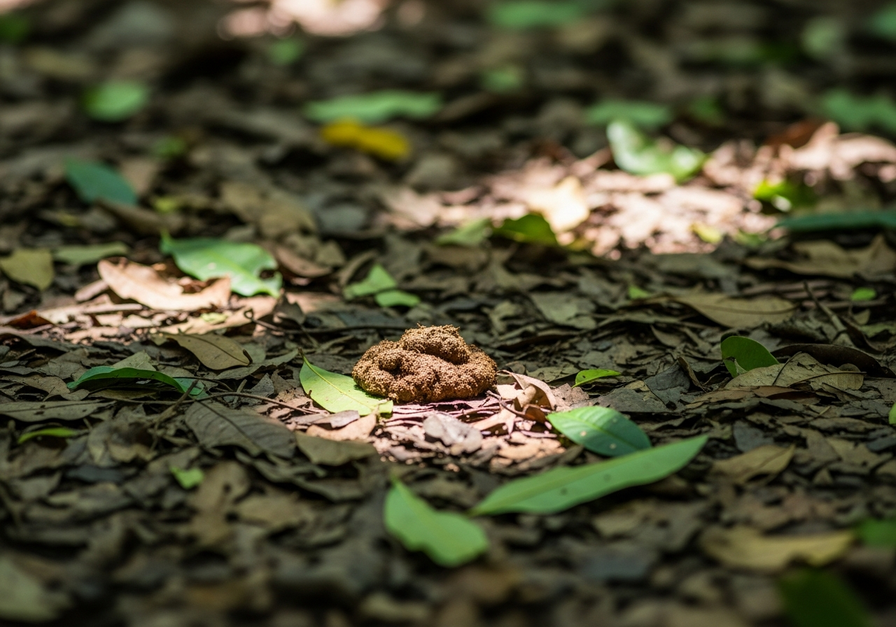
This image depicts the ecological role of folivores in nutrient cycling, showing how their droppings enrich the forest soil. The decomposition of this organic matter releases vital nutrients back into the ecosystem.
The Future of Folivores
Understanding folivores is more important than ever in a changing world. Habitat loss, climate change, and the introduction of invasive species pose significant threats to these specialized animals and the plant communities they depend on. Conservation efforts that protect forests and their intricate web of life are essential for ensuring the continued survival of these remarkable leaf-eaters.
The world of folivores is a compelling narrative of adaptation, resilience, and ecological significance. From the microscopic bacteria in their guts to their macroscopic impact on forest health, these leaf-eating specialists remind us of the intricate beauty and complexity of nature’s design.