The natural world is a tapestry woven with countless interactions, and among the most fundamental is the act of grazing. Far from being a simple consumption of plants, grazing is a dynamic ecological process that profoundly shapes landscapes, influences biodiversity, and drives nutrient cycles across the globe. From vast savannas to dense forests, the rhythmic munching of herbivores orchestrates a complex dance between plants and animals, a dance essential for the health and resilience of many ecosystems.
Understanding the Basics of Grazing
What Exactly is Grazing?
At its core, grazing refers to the feeding behavior of herbivores that primarily consume grasses, herbs, and other low-growing vegetation. This distinguishes it from browsing, which involves eating leaves, twigs, and bark from shrubs and trees. While the distinction can sometimes blur, the ecological impacts of these two feeding strategies often differ significantly.
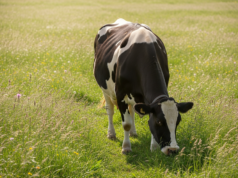
Grazers come in all shapes and sizes, from microscopic invertebrates to colossal mammals. Consider the familiar sight of a cow in a pasture, a sheep nibbling clover, or even a tiny grasshopper munching on a blade of grass. Each of these organisms, through its feeding, plays a role in the grand ecological scheme.
Diverse Types of Grazers
The world of grazers is incredibly diverse, and their feeding habits can be broadly categorized by their selectivity and impact:
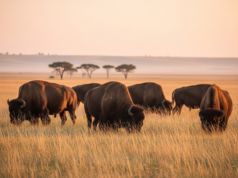
- Bulk Grazers: These animals consume large quantities of vegetation with relatively little selectivity. Think of bison on a prairie or cattle in a field. Their sheer numbers and appetite can significantly reduce biomass over wide areas, often trampling as they feed.
- Selective Grazers: In contrast, selective grazers pick and choose specific plants or plant parts. Deer, for instance, might favor certain wildflowers or young saplings over others. Many insects also exhibit highly selective grazing, targeting particular species or even specific tissues within a plant.
- Mixed Feeders: Some herbivores are adaptable and can switch between grazing and browsing depending on the season or availability of food. Goats are a classic example, happily grazing on grasses one moment and browsing on shrubs the next.
Why Grazing Matters to Ecosystems
Grazing is far more than just animals eating plants. It is a critical ecological process with several vital functions:
- Energy Transfer: Grazers are primary consumers, converting plant energy into animal biomass, making it available to predators and decomposers.
- Shaping Landscapes: Their feeding habits and movements can dramatically alter vegetation structure, creating diverse habitats.
- Maintaining Biodiversity: In many systems, grazing prevents a few dominant plant species from outcompeting others, thereby fostering a richer variety of plant life.
- Nutrient Cycling: Grazers play a direct role in breaking down plant material and returning nutrients to the soil through their waste.
Grazing and Ecosystem Dynamics: A Deeper Dive
Plant Diversity and Grazing Intensity
The relationship between grazing and plant diversity is often nuanced and can seem paradoxical. While excessive grazing can lead to a reduction in plant species, moderate grazing is frequently a catalyst for increased biodiversity. This is because grazers can prevent a single or a few dominant plant species from monopolizing resources, allowing less competitive species to thrive.
Consider the stark contrast between a heavily grazed pasture and a vibrant, diverse meadow. In a pasture where sheep might intensively graze, the vegetation can become uniform and short, dominated by a few resilient grass species. However, a meadow where grazers are present at lower densities or graze selectively can burst with a multitude of wildflowers and grasses, each finding its niche.
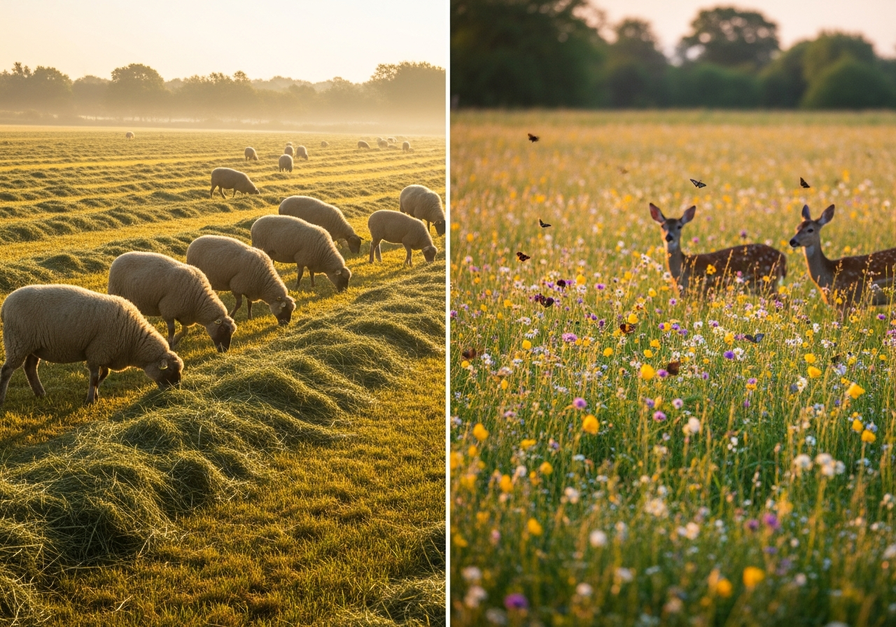
This image illustrates how grazing intensity and grazer type influence plant diversity, contrasting a heavily grazed pasture with a restored, diverse meadow.
The type of grazer also matters. Sheep, for example, tend to graze broadly, while deer might selectively target certain plants, creating different patterns of impact on the plant community.
Nutrient Cycling and Soil Health
Grazers are unsung heroes of nutrient cycling. As they consume plant material, they process it and return essential nutrients to the soil through their dung and urine. This organic matter enriches the soil, providing food for microorganisms and improving soil structure. The physical action of their hooves also contributes to soil health. Hooves can break up soil crusts, aerate the soil, and even press seeds into the ground, aiding germination.
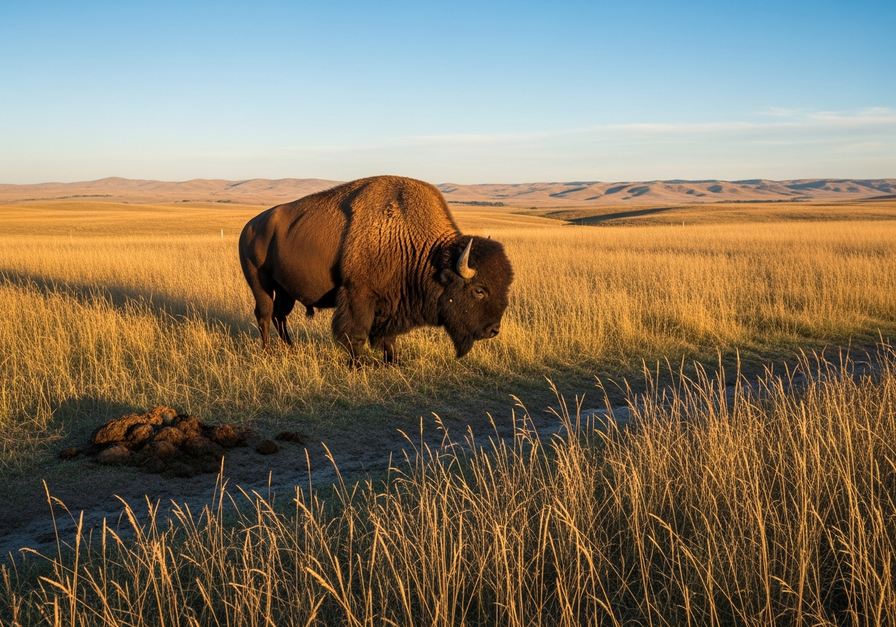
This image shows how bulk grazers like bison shape the landscape, aerate soil, and return nutrients through dung, highlighting the role of grazing in nutrient cycling.
Large bulk grazers, such as bison, are particularly impactful in this regard. Their movements across vast prairies not only distribute nutrients but also create microhabitats through their wallows and trails, further enhancing ecosystem complexity.
Habitat Structure and Succession
Grazing animals are powerful architects of habitat structure. By consuming vegetation, they create a mosaic of different plant heights and densities. This varied structure provides diverse niches for other wildlife, from insects to birds and small mammals. For instance, areas with shorter grass might be ideal for ground-nesting birds, while slightly taller patches offer cover for fawns.
Grazing also plays a crucial role in preventing ecological succession from progressing too rapidly. In many grasslands, without grazers, shrubs and trees would eventually encroach and transform the open landscape into a forest. Grazers act as natural landscapers, maintaining the open character of these ecosystems.
Selective Grazing and Its Specific Impacts
The Preferences of Forest Herbivores
Not all grazing is uniform. Many herbivores exhibit strong preferences for certain plant species or even specific parts of plants. This selective grazing can have profound and lasting effects on plant communities, particularly in forest ecosystems where browsing is more prevalent.
White-tailed deer, for example, are known for their selective feeding habits. They might favor young saplings of certain tree species, such as birch or oak, while largely ignoring others. This preference can significantly influence which trees successfully regenerate after disturbances, ultimately altering the future composition of the forest.
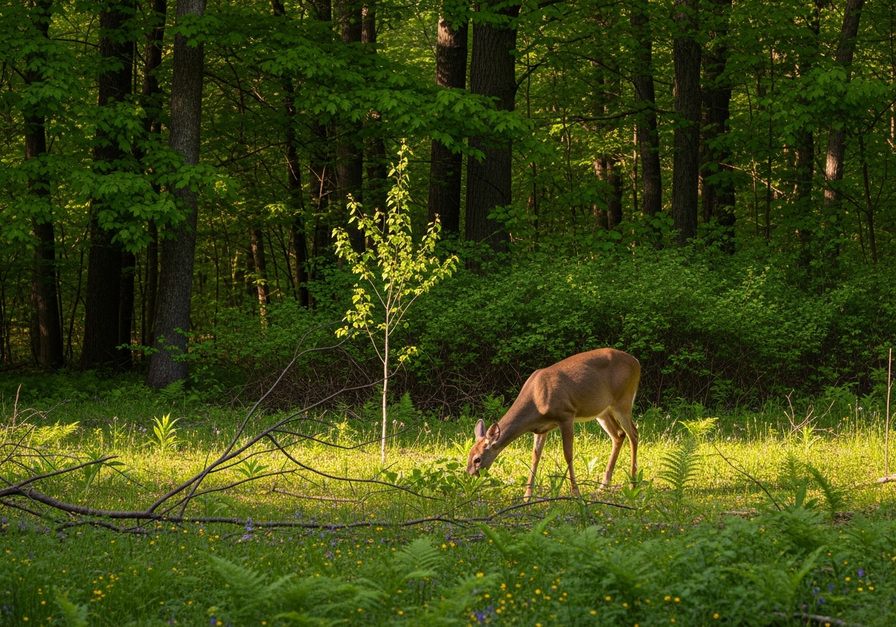
This image demonstrates selective grazing by forest herbivores, showing how their feeding preferences can influence tree regeneration and understory composition.
The consequences of such selective pressure can be far-reaching. If deer populations are high, their intense browsing on preferred species can lead to a phenomenon known as a “browse line,” where all vegetation below a certain height is consumed. This can result in a forest understory dominated by unpalatable or less preferred plants, reducing overall plant diversity and impacting other species that rely on the browsed vegetation for food or shelter.
Grazing as a Management Tool
Understanding the ecological impacts of grazing has allowed humans to harness this natural process for conservation and land management. Controlled or prescribed grazing is increasingly used to achieve specific ecological goals:
- Weed Control: Goats and sheep can be deployed to manage invasive plant species in a more environmentally friendly way than herbicides.
- Fire Risk Reduction: Grazing can reduce fuel loads in fire-prone areas by consuming dry grasses and undergrowth, thereby mitigating the risk of wildfires.
- Habitat Restoration: In degraded ecosystems, carefully managed grazing can help restore native plant communities by suppressing undesirable species and promoting the growth of beneficial ones.
- Maintaining Open Habitats: Grazing animals are used to maintain open grasslands and heathlands, preventing them from becoming overgrown with shrubs and trees, which is crucial for species adapted to these environments.
From the subtle nibbling of an insect to the powerful impact of a bison herd, grazing is a fundamental ecological force. It is a process of consumption that paradoxically creates and sustains life, shaping the very fabric of our planet’s diverse ecosystems. Appreciating the intricate dance between grazers and the plants they consume allows for a deeper understanding of nature’s complexity and the vital role these interactions play in maintaining a healthy world.