The natural world is a tapestry woven with countless species, each playing a vital role in the intricate dance of life. When we hear about species disappearing, our minds often jump to the dramatic finality of global extinction, where a species vanishes from the entire planet forever. However, a more subtle, yet equally significant, ecological phenomenon is occurring constantly: local extinction. This concept, often overlooked, represents a quiet erosion of biodiversity that can have profound and far-reaching consequences for ecosystems and human well-being.
Understanding Local Extinction: A Vanishing Act in Our Own Backyard
At its core, local extinction refers to the disappearance of a species from a specific geographic area, even if that species continues to exist elsewhere in the world. Imagine a particular type of butterfly that once thrived in your local park. If, over time, that butterfly population dwindles and eventually vanishes from the park, it has experienced a local extinction. The species itself might still flutter happily in parks hundreds of miles away, but its presence, its ecological role, and its unique genetic contribution to your local ecosystem are gone.
This is distinct from global extinction, where the species ceases to exist anywhere on Earth. While global extinction is irreversible and catastrophic, local extinctions are often precursors, signaling deeper environmental problems that could eventually lead to a species’ complete disappearance. They are also critical because they represent a loss of biodiversity and ecological function within a specific region, impacting the local environment directly.
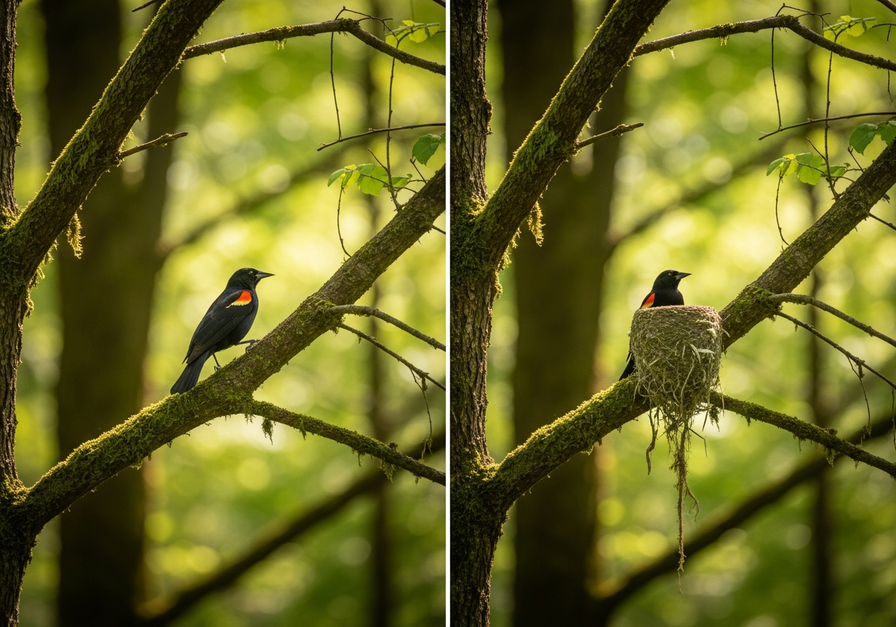
This image illustrates the concept of local extinction by contrasting a familiar species still present with the same habitat where it has disappeared, highlighting the quiet loss of a species from a known area. The absence of the bird on the right side of the image powerfully conveys the idea of a species vanishing from a specific location.
The Ripple Effect: Why Local Losses Matter
The disappearance of a species from a local area is rarely an isolated event. Ecosystems are complex webs of interconnected relationships, and the removal of even one thread can cause the entire fabric to unravel. The consequences of local extinction can be surprisingly profound:
- Loss of Ecological Function: Every species plays a role, whether it is pollinating plants, controlling pest populations, cycling nutrients, or serving as a food source. When a species is locally extinct, its ecological function is lost, potentially disrupting the entire food web and ecosystem processes.
- Reduced Ecosystem Resilience: Diverse ecosystems are more robust and better able to withstand disturbances like disease outbreaks, climate shifts, or natural disasters. The loss of species, even locally, reduces this diversity and makes the ecosystem more vulnerable to collapse.
- Genetic Erosion: Local populations often possess unique genetic adaptations to their specific environment. When a local population disappears, these unique genes are lost forever, reducing the overall genetic diversity of the species and limiting its ability to adapt to future environmental changes.
- Impact on Ecosystem Services: Many species provide invaluable services to humans, such as clean water, fertile soil, pest control, and pollination. Local extinctions can diminish these services, leading to economic and social costs.
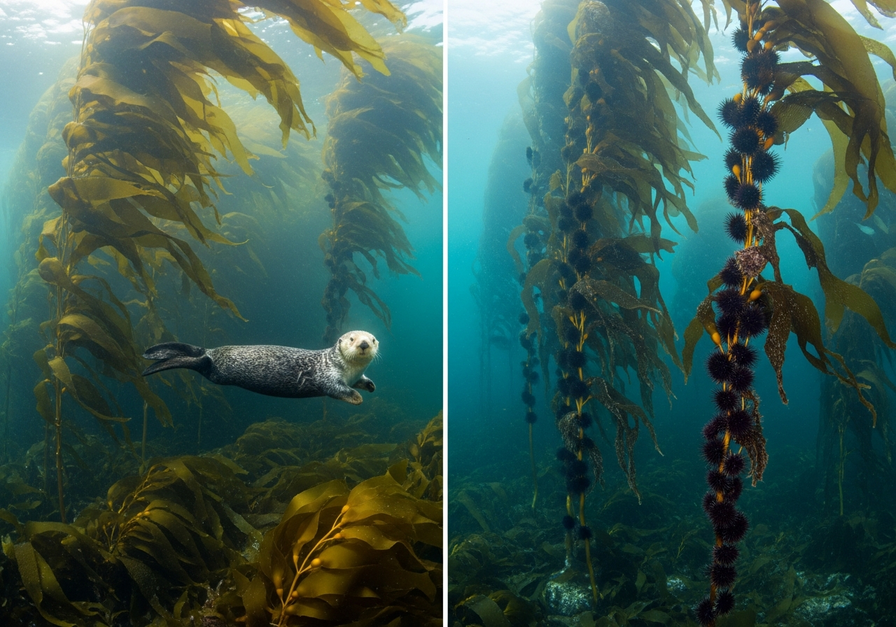
This image demonstrates the cascading effects of local extinction: the loss of the keystone sea otter leads to overpopulation of sea urchins, which in turn decimate kelp forests, altering the entire coastal ecosystem. The stark contrast between the vibrant kelp forest and the desolate, urchin-covered seafloor vividly illustrates the dramatic shift in an ecosystem following a local extinction.
Primary Drivers of Local Extinction
Understanding the causes of local extinction is the first step toward preventing it. While the specific pressures vary by region and species, several overarching factors are consistently identified as major contributors:
Habitat Loss and Fragmentation
The most significant driver of local extinction is often the destruction, degradation, and fragmentation of natural habitats. As human populations expand, forests are cleared, wetlands are drained, and grasslands are converted for agriculture, urban development, and infrastructure. This directly eliminates the places where species live and find food, shelter, and mates.
Habitat fragmentation occurs when large, continuous habitats are broken into smaller, isolated patches. This creates “islands” of habitat surrounded by inhospitable landscapes, making it difficult for species to move between patches, find new mates, or access necessary resources. Small, isolated populations are far more vulnerable to local extinction due to genetic bottlenecks, increased susceptibility to disease, and random environmental fluctuations.
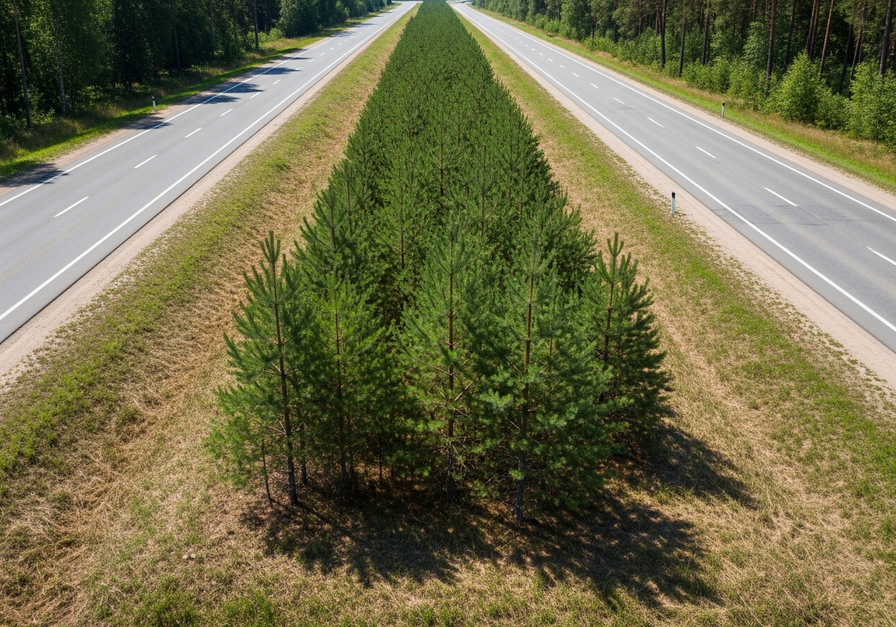
This image highlights habitat loss and fragmentation as a primary driver of local extinction, showing how dividing a once-continuous habitat can isolate populations and prevent recolonization. The visual starkness of the isolated forest patch underscores the challenges wildlife face in such altered landscapes.
Climate Change
Shifting global temperatures and altered weather patterns are forcing species to adapt or migrate. Those that cannot keep pace with these rapid changes, or those whose migration routes are blocked by human development, are at high risk of local extinction. For example, species adapted to specific temperature ranges in mountain environments may find their suitable habitat shrinking as temperatures rise, pushing them further up the mountain until there is no higher ground left.
Pollution
Chemicals, plastics, and other pollutants contaminate air, water, and soil, directly harming species and degrading their habitats. Pesticides can decimate insect populations, oil spills can devastate marine life, and nutrient runoff can create “dead zones” in aquatic ecosystems, leading to widespread local extinctions.
Invasive Species
When non-native species are introduced to an ecosystem, either intentionally or accidentally, they can outcompete native species for resources, prey upon them, or introduce new diseases. Without natural predators or controls, invasive species can rapidly proliferate, leading to the local extinction of vulnerable native populations.
Overexploitation
Unsustainable harvesting of wild populations, whether through hunting, fishing, or logging, can deplete species faster than they can reproduce. This is a common cause of local extinction for commercially valuable species, even if the species as a whole is not yet globally threatened.
Cascading Effects: When One Loss Leads to Many
The true danger of local extinction lies in its potential to trigger a cascade of further extinctions. This is particularly evident when a keystone species is lost. A keystone species is one that has a disproportionately large effect on its natural environment relative to its abundance. The removal of a keystone species can dramatically alter the structure and function of an ecosystem.
Consider the example of sea otters in kelp forests, as depicted in one of our earlier images. Sea otters are keystone predators that feed on sea urchins. When otter populations decline due to hunting or other factors, sea urchin populations can explode. These urchins then graze voraciously on kelp, transforming vibrant kelp forests into barren “urchin barrens.” This loss of kelp, which provides food and shelter for countless other marine species, leads to the local extinction of many fish, invertebrates, and other organisms that depend on the kelp forest ecosystem. The initial local extinction of the sea otter thus precipitates a much wider ecological collapse.
Similarly, the local extinction of a pollinator species, such as a specific type of bee, can lead to the local extinction of the plant species it pollinates, which in turn impacts herbivores that feed on that plant, and so on. These complex interdependencies mean that a seemingly small local loss can have profound and unpredictable consequences throughout an ecosystem.
The Path Forward: Reversing Local Extinction
While local extinctions are a serious concern, the good news is that they are often reversible. Unlike global extinction, where a species is gone forever, a locally extinct species can sometimes be reintroduced to its former habitat. This requires dedicated conservation efforts, including:
- Habitat Restoration: Rebuilding and reconnecting degraded habitats is crucial. This can involve reforestation, wetland restoration, or removing barriers to wildlife movement.
- Species Reintroduction: Carefully planned programs can reintroduce individuals of a species from healthy populations elsewhere into areas where they have become locally extinct. This requires addressing the original causes of extinction and ensuring the habitat can support the reintroduced population.
- Protection and Management: Implementing protected areas, regulating resource use, controlling invasive species, and mitigating pollution are all vital steps to prevent further local extinctions and support existing populations.
- Community Engagement: Local communities play a critical role in conservation. Educating and involving people in conservation efforts fosters a sense of stewardship and provides invaluable support for protecting local biodiversity.
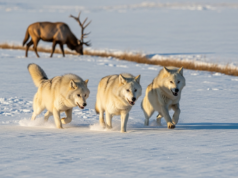
Successful reintroduction stories, such as the reestablishment of wolves in Yellowstone National Park or various bird species in restored habitats, demonstrate that with concerted effort, it is possible to bring species back to areas where they once thrived, restoring ecological balance and function.
Conclusion: A Call for Local Stewardship
Local extinction is a powerful indicator of environmental health. It reminds us that the health of our planet is not just about distant rainforests or endangered megafauna; it is also about the species that share our immediate surroundings. The quiet disappearance of a songbird from a familiar forest, the collapse of a vibrant kelp forest, or the isolation of a small woodland patch all tell a story of ecological change and loss.
By understanding the causes and consequences of local extinction, we are empowered to act. Protecting and restoring local habitats, supporting sustainable practices, and advocating for conservation are not just actions for global biodiversity; they are essential for maintaining the richness and resilience of the ecosystems in our own backyards. Every local population saved, every habitat restored, contributes to a healthier, more vibrant planet for all.