The natural world operates on a precise, intricate calendar, a symphony of life unfolding with remarkable regularity each year. From the first blush of spring blossoms to the vibrant spectacle of autumn leaves, and from the migratory journeys of birds to the emergence of insects, these seasonal events are not random occurrences. They are carefully timed responses to environmental cues, a phenomenon scientists call phenology.
Phenology is the study of cyclic and seasonal natural phenomena, especially in relation to climate and plant and animal life. It is essentially nature’s clock, observing when plants leaf out, flower, and fruit, or when animals migrate, breed, or hibernate. Understanding these timings offers profound insights into the delicate balance of ecosystems and the subtle ways our planet is changing.
What is Phenology? Unpacking Nature’s Calendar
At its core, phenology tracks the timing of recurring biological events, known as phenophases. These events are often triggered by environmental factors such as temperature, day length, and precipitation. Think of it as observing the pulse of nature, noting when specific life stages begin and end throughout the year.
For plants, common phenophases include:
- Budburst: The swelling and opening of leaf or flower buds.
- Leaf Out: The emergence and expansion of new leaves.
- Flowering: The opening of blossoms.
- Fruiting: The development and ripening of fruits or seeds.
- Leaf Color Change: The transformation of green leaves to autumn hues.
- Leaf Fall: The shedding of leaves.
For animals, phenophases can include:
- Migration: The seasonal movement of animals from one region to another.
- Hibernation: A state of metabolic depression in endotherms.
- Breeding and Spawning: Reproductive activities.
- Emergence: The appearance of insects from pupae or larvae.
- First Call or Song: The initial vocalizations of birds or amphibians in a season.
These events are not just fascinating to observe; they are critical indicators of ecological health and environmental change.
Key Phenological Events: A Closer Look
Plant Phenology: The Green Rhythms
Plants are particularly sensitive to their surroundings, making them excellent phenological indicators. Their life cycles are intimately tied to the seasons, and even slight shifts in environmental conditions can alter their timing.
One of the most anticipated plant phenophases is flowering. The vibrant display of blossoms is a clear signal that spring has arrived, driven by increasing temperatures and longer daylight hours.
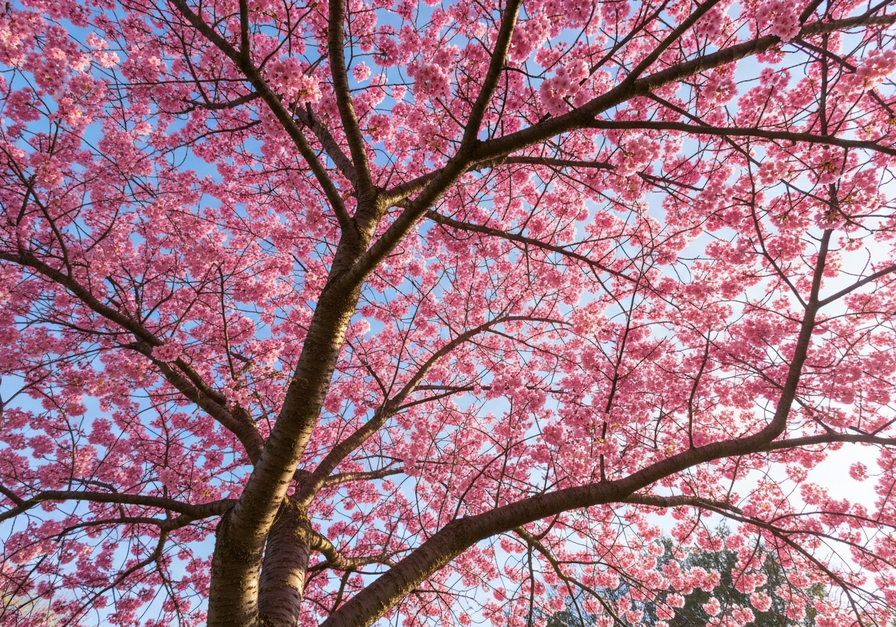
This image illustrates the plant phenophase of budburst and flowering, a core example of phenology. The vivid blossoms emphasize how temperature and day length trigger flowering, tying the visual to the discussion of phenological timing.
Beyond flowering, the entire annual cycle of a tree, from the emergence of its leaves in spring to their glorious transformation and eventual fall in autumn, provides a continuous record of phenological progression.
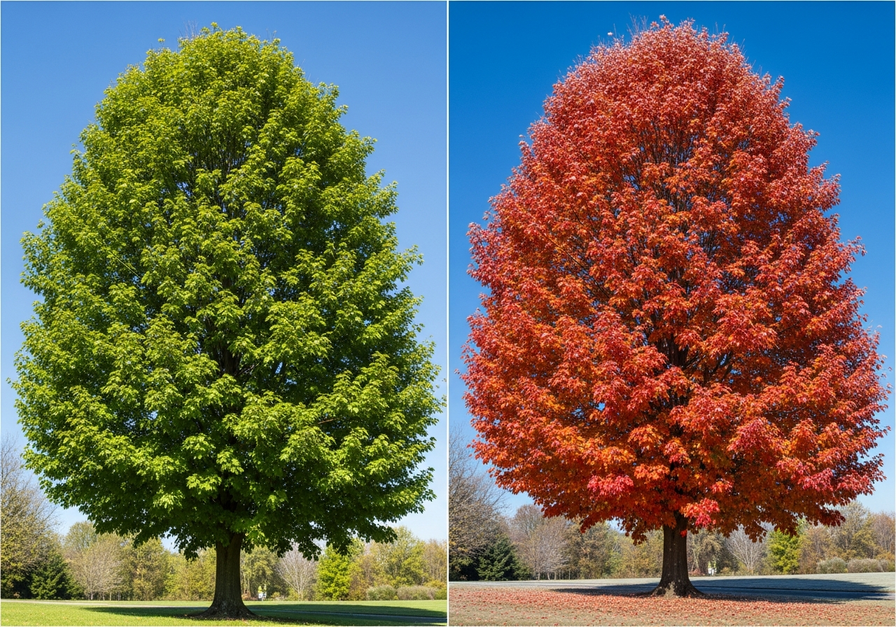
This split-screen image captures the progression of phenological events from leaf expansion to color change and fall, exemplifying the natural rhythm described in the article. By juxtaposing the two stages, the photo underscores how timing shifts can be observed and tracked, a key aspect of phenological research.
Animal Phenology: The Moving Pulse of Life
Animals also exhibit distinct phenological patterns, often synchronized with plant phenology. For instance, the timing of insect emergence is crucial for birds that rely on them for food, and the availability of nectar from flowering plants is vital for pollinators.
Insect emergence is a particularly striking example of animal phenology, often triggered by specific temperature thresholds or humidity levels.
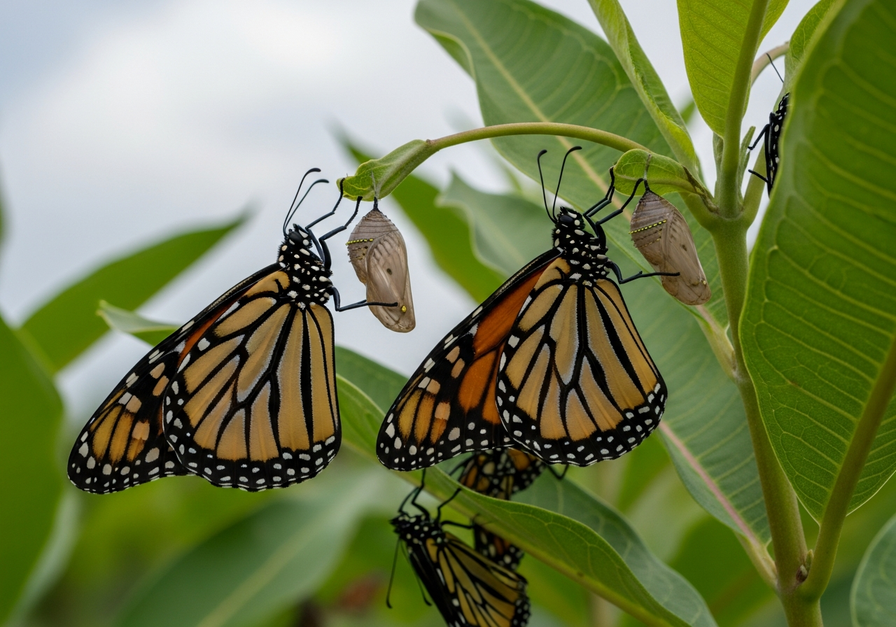
This photograph represents the animal phenophase of insect emergence, specifically the monarch butterfly’s seasonal appearance highlighted in the article. It demonstrates how environmental cues such as temperature and humidity drive timing in animal life cycles.
Other animal phenophases, like bird migration, are complex events influenced by a combination of day length, food availability, and weather patterns. The precise timing of these migrations ensures birds arrive at their breeding grounds when resources are abundant and depart before conditions become too harsh.
The Drivers of Phenology: Nature’s Orchestration
What orchestrates these precise timings? Several environmental cues act as nature’s calendar, signaling to organisms when to initiate their next life stage.
- Temperature: This is arguably the most influential driver for many phenological events. Warmer temperatures in spring often lead to earlier budburst and flowering, while sustained cold can delay them. Similarly, temperature dictates when many insects emerge or when reptiles become active.
- Photoperiod (Day Length): The length of daylight hours provides a highly reliable cue, as it is consistent year after year, unlike temperature which can fluctuate. Many plants use photoperiod to determine when to flower or when to prepare for dormancy, and it is a key trigger for animal migration and breeding cycles.
- Precipitation and Moisture: The availability of water is crucial, especially in arid and semi-arid regions. Rainfall can trigger seed germination, leaf flush, or even the breeding of amphibians.
- Other Factors: Soil moisture, nutrient availability, and even specific light qualities can play secondary roles in influencing phenological timing.
The interplay of these factors creates a complex system where organisms fine-tune their life cycles to maximize survival and reproduction.
Why Does Phenology Matter? Ecological Insights and Global Implications
The study of phenology is far more than just observing seasonal changes; it provides critical insights into the health of our planet and the intricate web of life.
Ecological Interconnections
Phenological events are deeply interconnected. The timing of a plant’s flowering must align with the activity of its pollinators. If flowers bloom too early due to warming temperatures, but their insect pollinators have not yet emerged, the plant’s reproductive success can suffer, and the insects may lack vital food sources. This mismatch, known as a phenological asynchrony, can ripple through entire ecosystems, affecting food webs and biodiversity.
A Barometer for Climate Change
Phenology is one of the most sensitive biological indicators of climate change. Scientists worldwide are observing a clear trend: many spring events, such as budburst and flowering, are occurring earlier, while autumn events, like leaf fall, are happening later. These shifts provide compelling evidence of a warming climate and its profound impact on natural systems. By tracking these changes over decades, researchers can quantify the rate and extent of climate change’s influence.
Applications in Human Endeavors
Understanding phenology has practical applications across various sectors:
- Agriculture and Horticulture: Farmers use phenological data to optimize planting and harvesting times, predict pest outbreaks, and manage crop diseases. Knowing when a particular crop will flower or fruit helps in planning irrigation and fertilization.
- Human Health: Earlier spring events can lead to longer and more intense allergy seasons, impacting public health. Phenology also helps track the seasonal activity of disease vectors, such as mosquitoes and ticks, which are influenced by temperature and humidity.
- Conservation: Conservationists use phenological data to understand how climate change affects endangered species, helping them develop strategies for habitat management and species protection.
Observing Phenology: From Citizen Science to Advanced Research
Collecting phenological data is a cornerstone of ecological research. Historically, naturalists kept detailed records of seasonal events, providing invaluable long-term datasets. Today, these efforts are augmented by modern technology and widespread citizen science initiatives.
Methods of Observation
- Direct Observation: Scientists and citizen scientists regularly visit specific sites to record phenophases, noting the exact dates of events like first leaf, full bloom, or first bird song. This method provides highly detailed, ground-level data.
- Remote Sensing: Satellites and drones equipped with specialized sensors can monitor large areas, detecting changes in vegetation greenness, which correlates with phenological stages like leaf out and senescence. This allows for broad-scale tracking of phenological shifts.
- Automated Sensors: Cameras and environmental sensors can continuously monitor specific plants or areas, providing high-frequency data on phenological transitions and the environmental conditions driving them.
The Power of Citizen Science
Citizen science programs, where volunteers contribute observations, have revolutionized phenological research. Projects like Nature’s Notebook in the United States or the UK Phenology Network engage thousands of individuals in collecting data. This widespread participation generates vast amounts of data across diverse geographical areas, allowing scientists to identify regional and continental trends that would be impossible to track with professional researchers alone. These efforts not only contribute vital scientific data but also foster a deeper connection between people and the natural world.
The Future of Phenology in a Changing World
As global climates continue to warm and weather patterns become more unpredictable, the study of phenology grows increasingly critical. The shifts we observe in nature’s calendar are not merely interesting curiosities; they are profound indicators of ecological stress and adaptation. Understanding these changes is essential for predicting future impacts on biodiversity, agriculture, and human well-being.
Phenology offers a unique lens through which to view the intricate dance between life and its environment. By continuing to observe, record, and analyze these seasonal rhythms, we gain invaluable knowledge that empowers us to better understand, adapt to, and mitigate the challenges of a rapidly changing planet. The ongoing story of phenology is a testament to nature’s resilience and a call to action for continued stewardship of our world.