The Unseen Architects: How Natural Disturbances Shape Our World
Imagine a forest standing tall and serene for centuries, a picture of unchanging stability. Then, a wildfire sweeps through, leaving behind a landscape of ash and charred remains. Or a mighty river overflows its banks, transforming fertile plains into a temporary lake. These events, often perceived as destructive forces, are in fact vital, often beneficial, architects of the natural world. They are known as natural disturbances, and understanding their profound role is key to appreciating the dynamic resilience of Earth’s ecosystems.
Far from being mere catastrophes, natural disturbances are fundamental ecological processes that drive change, foster biodiversity, and maintain the health of our planet. They are the pulse of nature, resetting the clock for some species while opening new opportunities for others.
What Exactly is a Natural Disturbance?
In ecological terms, a natural disturbance is any relatively discrete event in time that disrupts an ecosystem, community, or population structure and changes resource availability or the physical environment. These events originate from natural processes, not human intervention, and are often irregular in their occurrence and intensity.
Think of them as nature’s way of spring cleaning, pruning, or even radical redesign. They can range from small, localized events like a single tree falling in a forest to large-scale phenomena such as volcanic eruptions or widespread insect outbreaks. The key is their natural origin and their capacity to significantly alter the existing ecological state.
The Surprising Upside: Why Disturbances are Good for Nature
It might seem counterintuitive, but many ecosystems not only tolerate disturbances but actually depend on them for their long-term health and survival. Here are some of the remarkable ways natural disturbances benefit the environment:
- Ecological Reset and Renewal: Disturbances can clear out old, senescent vegetation, making way for new growth. This “reset” prevents ecosystems from becoming stagnant and allows for the regeneration of species that thrive in early successional stages.
- Nutrient Cycling: Events like fires release nutrients locked up in biomass back into the soil, enriching it for new plants. Floods deposit nutrient-rich sediments across floodplains, boosting fertility.
- Habitat Creation: A fallen tree creates a sunlit gap on the forest floor, allowing light-loving plants to grow. It also provides shelter and food for insects, fungi, and small mammals. Fire-scorched landscapes offer unique habitats for specialized species.
- Biodiversity Enhancement: By creating a mosaic of different habitats and successional stages, disturbances prevent a single dominant species from taking over. This promotes a greater variety of plant and animal life, increasing overall biodiversity.
- Ecosystem Resilience: Regular, natural disturbances can make ecosystems more resilient to future changes. Species that have evolved with a particular disturbance regime are often well-adapted to recover quickly, sometimes even requiring the disturbance to complete their life cycle.
Spotlight on Key Natural Disturbances
Let us explore some common natural disturbances and their profound ecological impacts:
Fire: The Great Transformer
Fire is perhaps one of the most dramatic and misunderstood natural disturbances. While devastating to human structures, many ecosystems, particularly those with dry climates or specific vegetation types, are fire-adapted or even fire-dependent. For example, lodgepole pine forests often require the heat of a wildfire to open their serotinous cones and release seeds for regeneration. Chaparral ecosystems in California similarly rely on periodic fires to clear dense brush and promote the growth of fire-adapted shrubs and wildflowers.
Fire clears undergrowth, reduces competition for resources, and recycles nutrients. It creates a patchwork of burned and unburned areas, leading to a diverse array of habitats that support a wide range of species, from fire-following insects to large mammals seeking new forage.
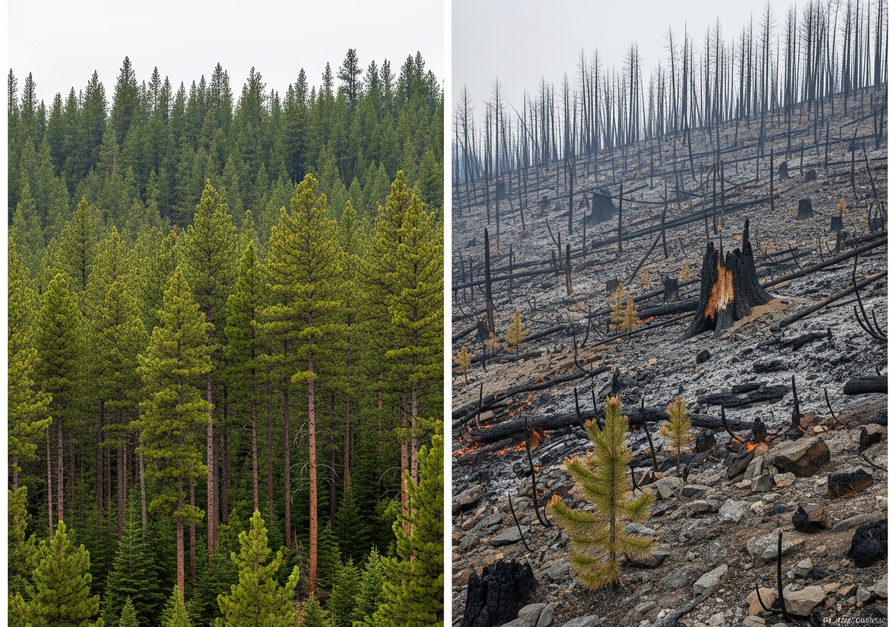
This image illustrates how fire acts as a natural disturbance that resets ecological succession, creating a mosaic of habitats that supports biodiversity and drives regeneration, directly reflecting the article’s discussion of fire’s role.
Floods: The River’s Lifeblood
For riverine and floodplain ecosystems, floods are not just an occasional nuisance; they are the very essence of life. Annual floods are critical for maintaining the fertility and biodiversity of these areas. As rivers overflow, they deposit nutrient-rich sediments onto their floodplains, replenishing the soil and providing essential nutrients for plant growth. This process is vital for agriculture in many parts of the world and supports lush riparian vegetation.
Floods also reshape river channels, create new wetlands, and connect different aquatic habitats, allowing for the movement of fish and other aquatic organisms. Many species have evolved life cycles intricately linked to flood pulses, relying on them for breeding, feeding, or dispersal.
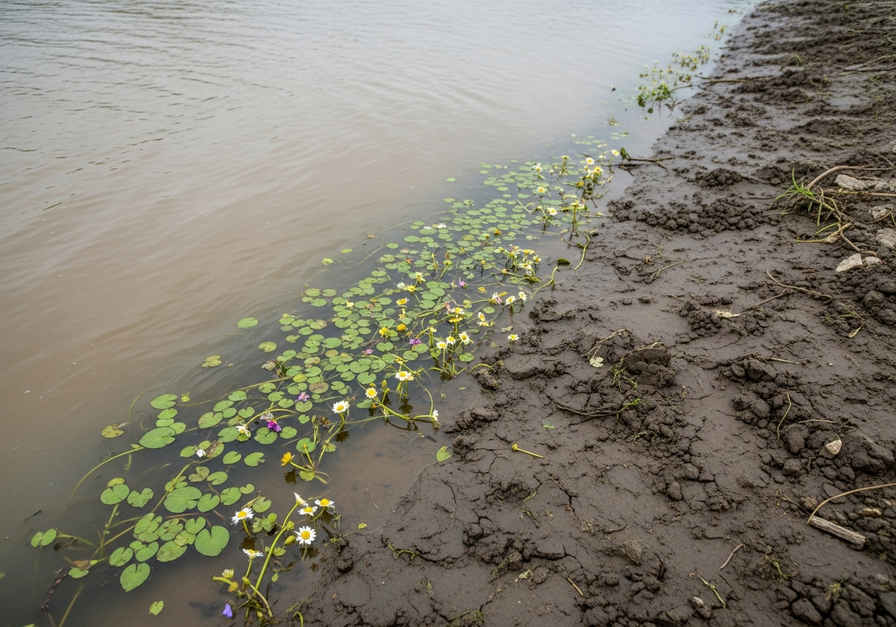
The photo demonstrates how floods deposit sediments and nutrients, fostering fertile habitats and supporting a diverse array of species, echoing the article’s explanation of floods as essential ecological drivers.
Windstorms: Sculptors of the Forest Canopy
While less dramatic than a wildfire or flood, strong winds and windstorms are powerful agents of change in forest ecosystems. They can fell individual trees or create large blowdowns, opening up the forest canopy. These gaps allow sunlight to reach the forest floor, stimulating the growth of understory plants and pioneer species that require more light.
Wind disturbances create structural diversity within a forest. The downed trees provide valuable habitat for insects, fungi, and small animals, contributing to nutrient cycling as they decompose. The resulting patchwork of different-aged stands and canopy gaps increases the overall heterogeneity and resilience of the forest.
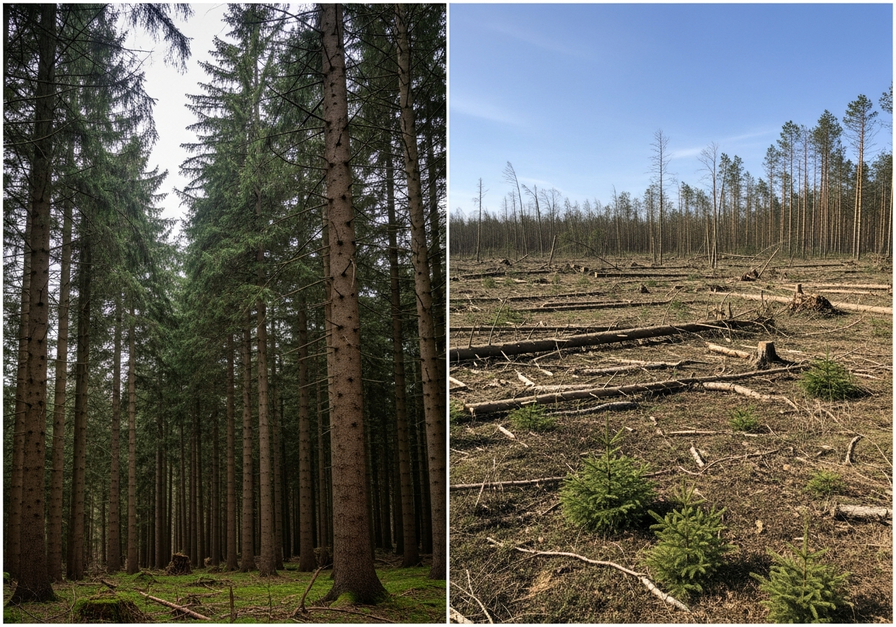
This illustration reflects the article’s discussion of windstorms as natural disturbances that generate patch dynamics and promote resilience by creating diverse successional stages across the landscape.
Other Notable Disturbances
- Insect Outbreaks: While sometimes exacerbated by human factors, natural insect outbreaks, such as those of bark beetles, can thin forests, create snags for cavity-nesting birds, and accelerate nutrient cycling.
- Volcanic Eruptions: Though seemingly catastrophic, volcanic eruptions create entirely new landforms and initiate primary succession, where life colonizes barren rock for the first time.
- Landslides and Avalanches: These events expose new soil, create open areas, and transport material, influencing vegetation patterns on steep slopes.
- Ice Storms: Heavy ice accumulation can break branches and fell trees, similar to windstorms, creating canopy gaps and altering forest structure.
Disturbance Regimes and Ecological Succession
The concept of a disturbance regime is crucial for understanding the long-term effects of these events. A disturbance regime describes the spatial and temporal characteristics of disturbances in a particular area, including their:
- Frequency: How often they occur.
- Intensity: The severity of the disturbance.
- Size: The area affected.
- Type: The nature of the disturbance (e.g., fire, flood, wind).
- Seasonality: When they typically occur.
Ecosystems evolve with specific disturbance regimes, and their species are adapted to these patterns. When a disturbance occurs, it often initiates ecological succession, the process by which the structure of a biological community evolves over time. This can be:
- Primary Succession: Occurs in an area devoid of life and soil, such as after a volcanic eruption or on newly exposed rock. Pioneer species like lichens and mosses colonize first, gradually building soil.
- Secondary Succession: Occurs in an area where a disturbance has removed existing vegetation but left the soil intact, such as after a wildfire or logging. This process is generally faster as the soil and some seed banks remain.
Natural disturbances ensure that ecosystems are not static. They maintain a dynamic equilibrium, constantly shifting the landscape through various successional stages, from early pioneer communities to more mature, complex ones. This continuous cycle is what keeps ecosystems vibrant and adaptable.
The Human Hand in Natural Disturbances
While natural disturbances are essential, human activities can profoundly alter their regimes, often with detrimental consequences. For instance:
- Fire Suppression: Decades of suppressing natural wildfires in fire-adapted forests can lead to an unnatural buildup of fuel, resulting in infrequent but catastrophic megafires that are far more destructive than natural, lower-intensity burns.
- Damming Rivers: Dams alter natural flood cycles, preventing the deposition of vital sediments and nutrients on floodplains, impacting downstream ecosystems and fisheries.
- Climate Change: Human-induced climate change is altering the frequency and intensity of many natural disturbances, leading to more severe droughts, heatwaves, and storms, pushing ecosystems beyond their natural adaptive capacities.
- Land Use Change: Urbanization and agriculture can fragment landscapes, making it harder for species to recover from disturbances or for natural processes to unfold.
Understanding the historical disturbance regimes of an area is therefore critical for effective conservation and land management. Instead of always fighting against natural processes, modern ecological management often seeks to restore or mimic natural disturbance regimes to promote ecosystem health and resilience.
Embracing Nature’s Dynamic Dance
Natural disturbances, from the roar of a wildfire to the gentle lapping of floodwaters, are not just random acts of nature. They are integral, often beneficial, forces that have shaped Earth’s ecosystems for millennia. They are the unseen architects, constantly remodeling, renewing, and enriching the tapestry of life.
By shifting our perspective from viewing these events solely as destructive to recognizing their vital ecological roles, we gain a deeper appreciation for the dynamic, ever-changing nature of our planet. Embracing this understanding is crucial for fostering resilient ecosystems and for guiding our own interactions with the natural world.