
Imagine a bustling city, thriving not on its own manufactured goods, but on resources constantly flowing in from surrounding towns and farms. This analogy helps us understand a fundamental ecological concept: allochthonous inputs. In the natural world, many ecosystems, particularly aquatic ones, depend heavily on organic matter and nutrients that originate from outside their immediate boundaries. This external supply is what ecologists refer to as allochthonous input, a term derived from Greek, meaning “other origin.”
At its core, allochthonous input is simply the transfer of organic material, such as leaves, wood, soil, and even dissolved substances, from a terrestrial environment into an aquatic one. These inputs are crucial for the health and functioning of rivers, lakes, streams, and even vast ocean systems, providing essential energy and nutrients that fuel entire food webs.
To truly appreciate the significance of allochthonous inputs, it is helpful to contrast them with their counterpart: autochthonous inputs. Autochthonous inputs are organic materials produced within the ecosystem itself, primarily through photosynthesis by aquatic plants and algae. Think of algae growing on rocks in a stream or phytoplankton blooming in a lake. While both types of inputs are vital, the balance between allochthonous and autochthonous sources can dramatically shape an ecosystem’s structure and productivity.
For many aquatic environments, especially smaller streams and shaded rivers, the surrounding land is the primary cafeteria. Without this constant influx of external organic matter, these ecosystems would struggle to support the diverse life forms that call them home.
The Forest’s Gift: Allochthonous Inputs in Streams
One of the most classic and easily observable examples of allochthonous input occurs in forested stream ecosystems. Picture a vibrant forest in autumn, its trees shedding a colorful blanket of leaves. Many of these leaves, along with twigs, branches, and even whole logs, eventually find their way into nearby streams and rivers.

This direct transfer of terrestrial organic matter is a lifeline for stream inhabitants. The leaves and wood provide a foundational energy source for a complex food web. Specialized invertebrates, known as detritivores, are particularly adept at shredding and consuming this coarse particulate organic matter. These shredders, in turn, become food for other invertebrates and fish, effectively transferring the forest’s energy into the aquatic realm. Microbes, such as bacteria and fungi, also play a critical role, colonizing the decaying leaves and making their nutrients more accessible to other organisms.
From Farm to Lake: Agricultural Runoff as Allochthonous Input
Allochthonous inputs are not always pristine forest litter. Human activities can significantly alter the nature and quantity of these inputs, often with profound ecological consequences. Agricultural runoff is a prime example.
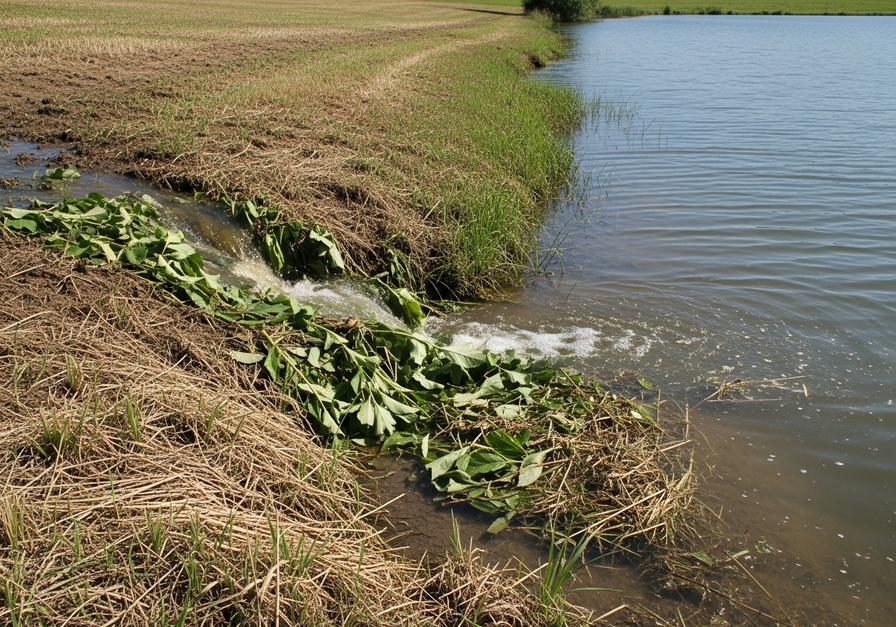
When rain falls on agricultural fields, it can carry away loose soil, crop residues, fertilizers, and pesticides into nearby lakes, rivers, and wetlands. This runoff introduces a substantial amount of organic matter and nutrients, particularly nitrogen and phosphorus, into these aquatic systems. While some organic matter can provide energy, the excessive influx of nutrients can lead to a phenomenon called eutrophication. Eutrophication often results in dense algal blooms, which, upon decomposition, deplete oxygen in the water, creating “dead zones” that harm fish and other aquatic life.
The Global Reach: Land to Sea Sediment and Dust Flux
The concept of allochthonous inputs extends far beyond local streams and lakes, impacting even the vastness of the world’s oceans. Rivers, acting as massive conduits, continuously transport sediment, organic matter, and dissolved nutrients from continents into marine environments.

Beyond riverine inputs, wind also plays a significant role. Dust storms, originating from deserts or agricultural lands, can carry fine particulate matter thousands of kilometers across oceans. This windblown dust often contains vital micronutrients like iron, which can stimulate phytoplankton growth in nutrient-limited ocean regions, thereby influencing global carbon cycles and marine food webs. Volcanic eruptions also contribute allochthonous ash and minerals to both terrestrial and aquatic systems, sometimes with dramatic short-term effects.
Deeper Dive: Ecological Significance and Mechanisms
The importance of allochthonous inputs goes beyond simply providing food. They are integral to the fundamental processes that govern ecosystem health and stability.
Fueling the Food Web: The Detrital Pathway
In many aquatic ecosystems, especially those shaded by dense vegetation, the primary energy pathway is not grazing on living plants, but rather the consumption of dead organic matter, known as the detrital food web. Allochthonous inputs are the backbone of this pathway. Microbes colonize the decaying leaves and wood, breaking them down and making their stored energy and nutrients available. Invertebrates then consume these conditioned detritus particles, and in turn, become prey for larger organisms. This intricate web of decomposition and consumption ensures that energy from the surrounding land is efficiently recycled within the aquatic environment.
Nutrient Cycling and Water Quality
Allochthonous inputs are major drivers of nutrient cycling. They introduce carbon, nitrogen, phosphorus, and other essential elements into aquatic systems. The decomposition of this organic matter releases these nutrients back into the water column, where they can be taken up by primary producers or stored in sediments. However, as seen with agricultural runoff, an imbalance in these inputs can have detrimental effects:
- Eutrophication: Excessive nutrient loading, particularly nitrogen and phosphorus, can lead to algal blooms, oxygen depletion, and loss of biodiversity.
- Turbidity: High sediment loads from erosion can increase water turbidity, reducing light penetration and hindering photosynthesis by aquatic plants.
- Contaminants: Allochthonous inputs can also carry pollutants, such as heavy metals or persistent organic pollutants, from land into water bodies, posing risks to aquatic life and human health.
Influence on Biodiversity and Ecosystem Structure
The presence and type of allochthonous inputs significantly influence the biodiversity and physical structure of aquatic habitats. For instance:
- Habitat Complexity: Large woody debris, a form of allochthonous input, creates complex habitats in streams and rivers, providing shelter, spawning grounds, and foraging areas for fish and invertebrates.
- Food Specialization: The availability of different types of allochthonous organic matter can lead to the evolution of specialized feeding strategies among aquatic organisms.
- Riparian Zone Importance: The health and composition of the riparian zone (the land adjacent to a water body) directly dictate the quantity and quality of allochthonous inputs. A healthy riparian zone with diverse vegetation provides a steady supply of beneficial organic matter and helps filter out harmful runoff.
Factors Affecting Allochthonous Inputs
Several factors influence the amount and type of allochthonous material entering an aquatic ecosystem:
- Riparian Vegetation: The density, species composition, and age of trees and plants along the banks directly affect leaf litter and woody debris input.
- Topography: Steeper slopes generally lead to greater sediment and runoff inputs.
- Climate and Weather Patterns: Rainfall intensity, wind speed, and flood events can dramatically increase the transport of terrestrial material into water bodies.
- Land Use: Urbanization, agriculture, and deforestation alter natural input regimes, often increasing sediment and nutrient loads while reducing beneficial woody debris.
Conclusion: A Constant Exchange
Allochthonous inputs are a powerful testament to the interconnectedness of ecosystems. They highlight that aquatic environments are rarely isolated entities but are deeply intertwined with the surrounding terrestrial landscape. From the gentle fall of an autumn leaf into a forest stream to the vast plumes of sediment carried by mighty rivers into the ocean, these external contributions are fundamental drivers of ecological processes.
Understanding allochthonous inputs is not merely an academic exercise. It is crucial for effective environmental management and conservation. By recognizing the vital role of the land in sustaining our water bodies, we can implement strategies to protect riparian zones, manage agricultural runoff, and mitigate the impacts of human activities, ensuring the continued health and productivity of aquatic ecosystems for generations to come.