The Earth’s Invisible Architects: Understanding Biogeochemical Cycles
Imagine our planet as a magnificent, self-sustaining machine. Every breath we take, every drop of water we drink, and every bite of food we eat is part of an intricate, continuous process. These fundamental processes are governed by what scientists call biogeochemical cycles. Far from being abstract scientific concepts, these cycles are the very heartbeat of Earth, tirelessly recycling the essential ingredients for life.
At its core, a biogeochemical cycle describes the pathways by which a chemical substance moves through both the biotic (living) and abiotic (non-living) components of Earth. The term itself offers a clue: “bio” refers to life, “geo” to the Earth’s rocks, soil, and atmosphere, and “chemical” to the elements themselves. These cycles ensure that vital elements like water, carbon, nitrogen, and phosphorus are continuously available, transforming from one form to another and moving between different reservoirs on our planet.
Why Do These Cycles Matter? The Foundation of Life
Without these tireless cycles, life as we know it would simply cease to exist. Consider the following:
- Resource Availability: They ensure a constant supply of essential nutrients for all living organisms. If these elements were used up and not recycled, life would quickly deplete its resources.
- Climate Regulation: Cycles like the carbon cycle play a critical role in regulating Earth’s temperature and climate, influencing everything from global weather patterns to the habitability of different regions.
- Ecosystem Health: Healthy ecosystems depend on the balanced functioning of these cycles. Disruptions can lead to cascading effects, impacting biodiversity, food webs, and overall environmental stability.
- Waste Management: Natural processes within these cycles break down waste products and return their constituent elements to the environment in usable forms.
Let us delve into some of the most critical biogeochemical cycles that underpin all life on Earth.
The Water Cycle: Earth’s Eternal Refreshment
The water cycle, also known as the hydrological cycle, is perhaps the most familiar of all biogeochemical cycles. It describes the continuous movement of water on, above, and below the surface of the Earth. It is a cycle of transformation, where water changes states from liquid to gas to solid, but its total amount remains relatively constant.
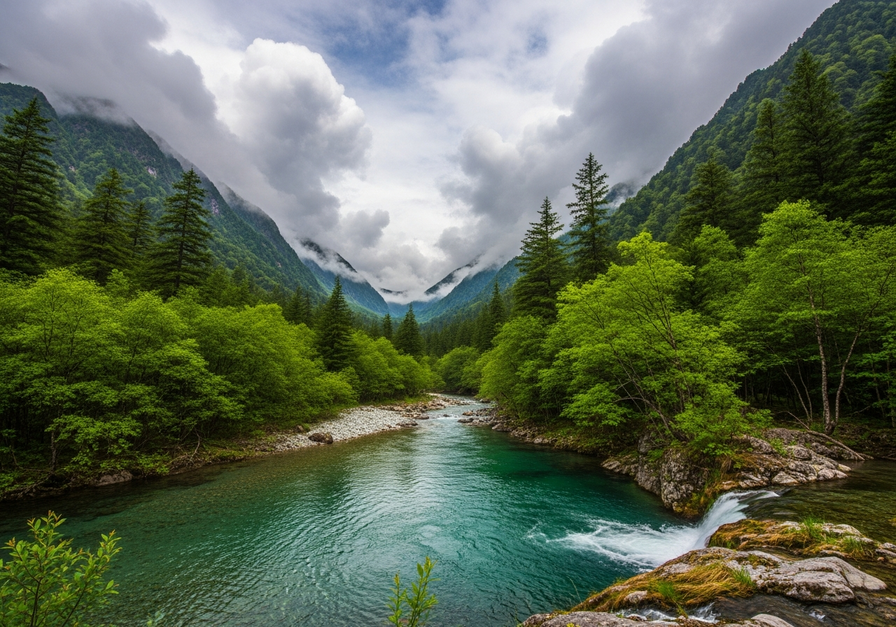
The journey of a water molecule typically begins with evaporation, where solar energy heats water in oceans, lakes, and rivers, turning it into water vapor that rises into the atmosphere. Plants also contribute significantly through transpiration, releasing water vapor from their leaves.
As this moist air rises, it cools, and the water vapor undergoes condensation, forming clouds. When these clouds become saturated, water falls back to Earth as precipitation in the form of rain, snow, sleet, or hail. This water can then flow over land as runoff, eventually reaching rivers and oceans, or it can infiltrate the ground to become groundwater, slowly moving through aquifers. A portion of this water is also stored in glaciers and ice caps, representing long-term reservoirs.
The water cycle is a testament to nature’s efficiency, ensuring that every drop is eventually reused, sustaining everything from towering forests to microscopic organisms.
The Carbon Cycle: The Building Block of Life and Climate Regulator
Carbon is the backbone of all organic molecules, making it indispensable for life. The carbon cycle describes the movement of carbon atoms between the atmosphere, oceans, land, and living organisms. It is a cycle with both rapid exchanges and long-term storage.
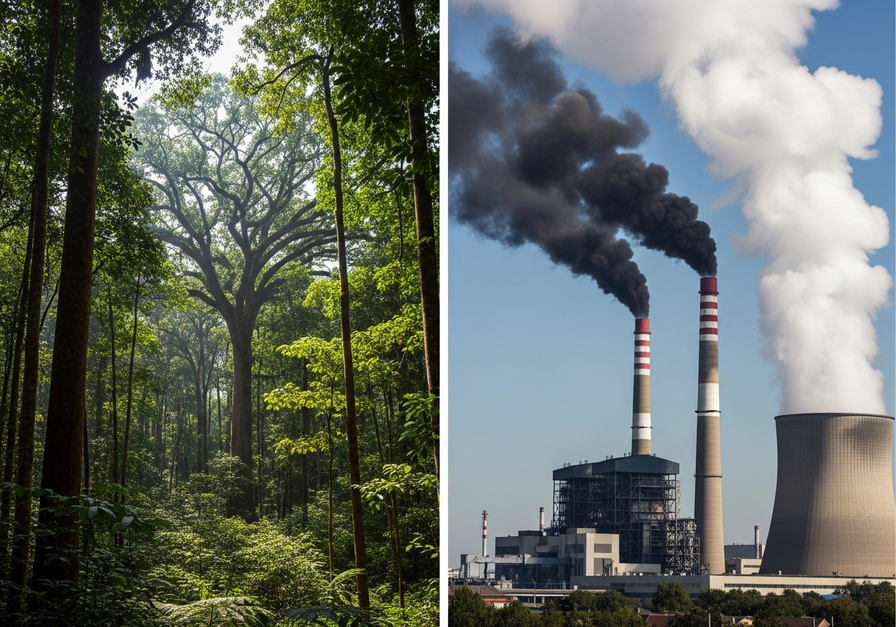
Plants play a heroic role in the carbon cycle through photosynthesis. They absorb carbon dioxide (CO₂) from the atmosphere and convert it into organic compounds, forming their tissues. This carbon then moves through the food web as animals consume plants and other animals. Both plants and animals release CO₂ back into the atmosphere through respiration.
When organisms die, decomposers break down their organic matter, releasing carbon back into the soil and atmosphere. Over geological timescales, some organic matter can be buried and transformed into fossil fuels like coal, oil, and natural gas, representing vast carbon reservoirs. Oceans also play a crucial role, absorbing large amounts of CO₂ from the atmosphere and storing it in various forms, including dissolved CO₂ and calcium carbonate in shells and sediments.
However, human activities, particularly the burning of fossil fuels and deforestation, have significantly altered the natural balance of the carbon cycle, leading to an increase in atmospheric CO₂ and contributing to climate change.
The Nitrogen Cycle: Fueling Growth, From Microbes to Megacities
Nitrogen is another essential element for life, a key component of proteins, DNA, and RNA. Although nitrogen gas (N₂) makes up about 78% of Earth’s atmosphere, most organisms cannot use it directly in this form. The nitrogen cycle describes the complex processes that transform atmospheric nitrogen into usable forms and back again.
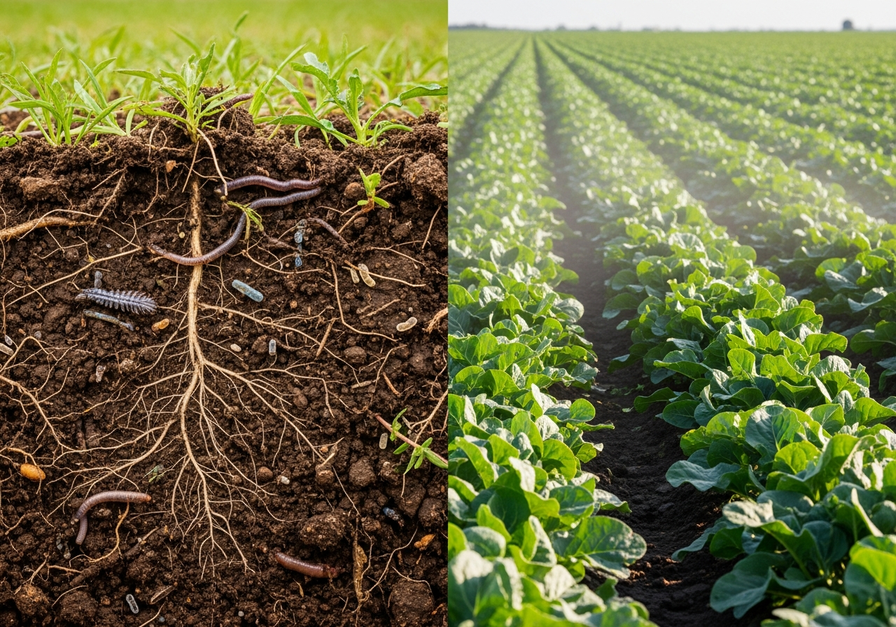
The journey begins with nitrogen fixation, a process primarily carried out by specialized bacteria in the soil and water, or by lightning. These microbes convert atmospheric N₂ into ammonia (NH₃), which can then be used by plants. Some plants, like legumes, have a symbiotic relationship with nitrogen-fixing bacteria in their root nodules.
Once nitrogen is fixed, other bacteria convert ammonia into nitrites (NO₂⁻) and then nitrates (NO₃⁻) through a process called nitrification. Nitrates are readily absorbed by plants and incorporated into their tissues. Animals obtain nitrogen by eating plants or other animals.
When organisms die or excrete waste, decomposers return nitrogen to the soil as ammonia through ammonification. Finally, denitrification, carried out by another group of bacteria, converts nitrates back into nitrogen gas, which is then released into the atmosphere, completing the cycle.
Human activities, such as the extensive use of synthetic nitrogen fertilizers in agriculture, have profoundly impacted the nitrogen cycle. While these fertilizers boost crop yields, excess nitrogen can leach into waterways, causing eutrophication and creating “dead zones,” or be released into the atmosphere as nitrous oxide, a potent greenhouse gas.
Other Vital Cycles: Phosphorus and Sulfur
While water, carbon, and nitrogen are often highlighted, other biogeochemical cycles are equally crucial, albeit sometimes operating on different timescales or with different primary reservoirs.
- The Phosphorus Cycle: Unlike carbon and nitrogen, the phosphorus cycle does not have a significant atmospheric gaseous phase. It is primarily a sedimentary cycle, involving the movement of phosphorus through rocks, soil, water, and organisms. Phosphorus is essential for DNA, RNA, and ATP (the energy currency of cells). Its availability often limits primary productivity in many ecosystems. Human activities, particularly mining for fertilizers and detergents, have significantly altered this cycle, leading to phosphorus runoff and water pollution.
- The Sulfur Cycle: Sulfur is a component of proteins and vitamins. Its cycle involves movement through the atmosphere, land, and water. It can exist in various oxidation states, from hydrogen sulfide gas to sulfate ions in water. Volcanic activity, decomposition, and the burning of fossil fuels release sulfur into the atmosphere, where it can contribute to acid rain.
The Interconnected Web: When Cycles Collide
It is crucial to understand that these biogeochemical cycles do not operate in isolation. They are intricately linked, forming a complex, interconnected web. For example:
- The water cycle influences the transport of carbon and nitrogen through runoff.
- The carbon cycle impacts the water cycle by influencing global temperatures and precipitation patterns.
- Nitrogen availability can affect the rate of photosynthesis, thereby influencing the carbon cycle.
- Ocean acidification, a consequence of increased atmospheric CO₂, impacts marine organisms that rely on calcium carbonate for their shells, linking the carbon cycle to the health of marine ecosystems and the phosphorus cycle.
Understanding these interconnections is vital for comprehending the holistic functioning of Earth’s systems. A disruption in one cycle inevitably ripples through others, often with far-reaching consequences.
Humanity’s Footprint: Disrupting Nature’s Balance
For millennia, biogeochemical cycles operated in a relatively stable equilibrium. However, the rapid industrialization and population growth of the last few centuries have profoundly altered these natural rhythms. Our activities have become a dominant force, influencing the planet on a geological scale.
Consider the following impacts:
- Climate Change: The burning of fossil fuels releases vast quantities of stored carbon into the atmosphere as CO₂, intensifying the greenhouse effect and leading to global warming.
- Ocean Acidification: Increased atmospheric CO₂ is absorbed by oceans, leading to a decrease in pH, which threatens marine life, particularly organisms with calcium carbonate shells.
- Eutrophication: Excess nitrogen and phosphorus from agricultural runoff and wastewater pollute aquatic ecosystems, leading to algal blooms, oxygen depletion, and “dead zones.”
- Biodiversity Loss: Habitat destruction, pollution, and climate change disrupt ecosystems, impacting the organisms that drive these cycles, potentially leading to species extinctions.
- Deforestation: The clearing of forests reduces the planet’s capacity to absorb CO₂ and disrupts local water cycles.
These disruptions highlight the urgent need for sustainable practices. By understanding how our actions impact these fundamental cycles, we can develop strategies to mitigate harm and work towards restoring a healthier balance.
Conclusion: Stewards of the Cycles
Biogeochemical cycles are the unsung heroes of our planet, tirelessly working to sustain life. From the majestic flow of a river to the microscopic dance of bacteria in the soil, these cycles are a constant reminder of Earth’s incredible complexity and resilience. As inhabitants of this planet, we are not merely passive observers but active participants, and increasingly, powerful disruptors.
A deeper appreciation for these invisible architects of life empowers us to make more informed choices, from the food we eat to the energy we consume. By respecting the delicate balance of these cycles and striving for sustainable living, we can ensure that Earth continues to be a vibrant, life-sustaining home for generations to come.