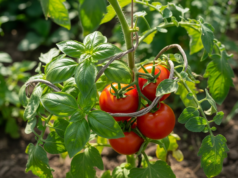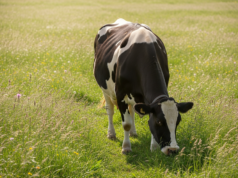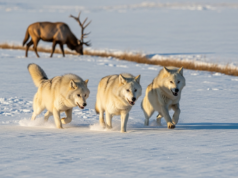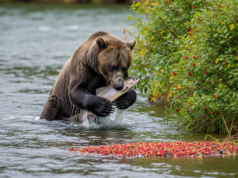
Imagine stepping into a vibrant tropical rainforest, where every glance reveals a new shade of green, a unique leaf shape, or the flash of an unfamiliar bird. Or perhaps you are exploring a coral reef, a kaleidoscope of marine life teeming with fish, corals, and invertebrates. What you are witnessing in these breathtaking scenes is a high degree of species richness, a fundamental concept in ecology that helps us understand the incredible variety of life on Earth.
What is Species Richness? The Foundation of Biodiversity
At its core, species richness is simply a count of the different species present in a particular area or community. It is the most straightforward way to quantify biodiversity, providing a snapshot of the variety of life forms inhabiting a given space. Think of it as a guest list for an ecosystem; the longer the list, the richer the community.
For example, a small patch of garden might host 20 different plant species, 15 insect species, and 5 bird species. Its species richness would be the sum of these distinct species. It does not consider how many individuals of each species are present, only the number of unique types.
Tropical rainforests and coral reefs are renowned for their exceptionally high species richness. A single hectare of rainforest can harbor hundreds of tree species, alongside countless insects, birds, mammals, and fungi. This abundance of distinct life forms makes these ecosystems invaluable hotspots of biodiversity.
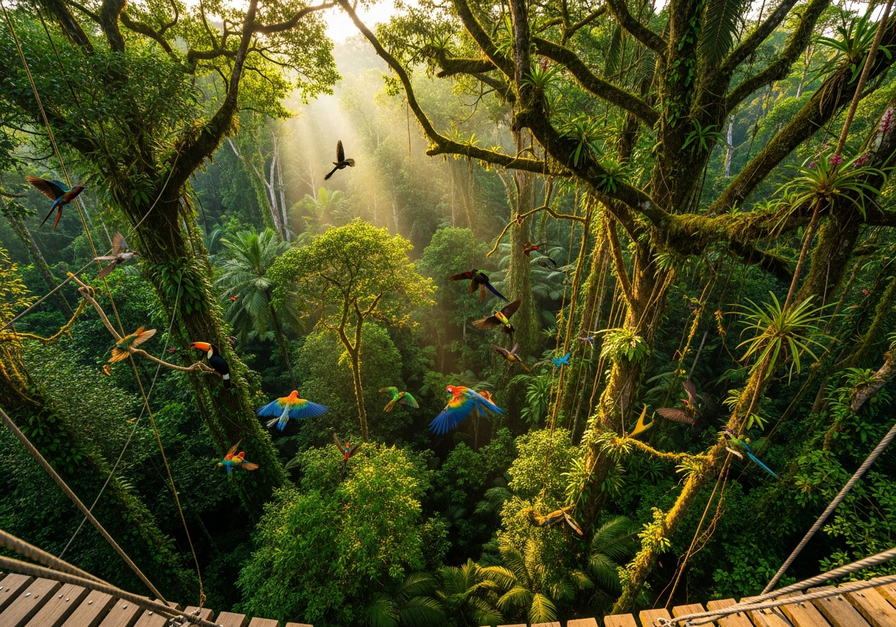
This image visually demonstrates the concept of species richness by showcasing a real ecosystem with a large number of distinct species coexisting, aligning with the article’s explanation that species richness is simply a count of different species in an area.
Why Does Species Richness Matter?
Species richness is far more than just an academic count; it is a critical indicator of ecosystem health and resilience. A high number of species often correlates with a more stable and productive ecosystem. Here is why it is so important:
- Ecosystem Stability: Diverse ecosystems tend to be more resilient to disturbances like disease outbreaks, climate shifts, or invasive species. If one species declines, others might be able to fill its ecological role, preventing a complete collapse of the system.
- Ecosystem Services: Different species perform different functions that benefit humans and the planet. For instance, various insect species pollinate crops, different microbes cycle nutrients in soil, and diverse plant communities purify air and water. A rich array of species ensures a robust delivery of these essential services.
- Resource Provision: Many of our medicines, foods, and industrial materials originate from a wide variety of species. The more species we have, the greater the potential for discovering new resources and solutions to human challenges.
- Aesthetic and Cultural Value: The sheer beauty and wonder of diverse natural environments enrich human lives, inspiring art, culture, and recreation.
How Do We Measure Species Richness? Practical Approaches
Counting every single species in a vast ecosystem is an impossible task. Ecologists employ various sampling methods to estimate species richness accurately. These methods allow researchers to extrapolate from smaller, manageable areas to understand the diversity of larger landscapes.
Quadrat Sampling
For relatively uniform habitats, such as grasslands or forest floors, ecologists often use quadrats. A quadrat is a defined area, typically a square frame of a known size (e.g., 1m² or 10m²), which is randomly placed within the study area. All distinct species found within that quadrat are identified and counted. This process is repeated multiple times across the habitat, and the data are then used to estimate the total species richness.
Transect Sampling
When a habitat changes gradually along a gradient, such as from a mountaintop to a valley, or from a dry area to a wet one, a transect is a more suitable method. A transect is a line or path along which observations are made at regular intervals. Ecologists walk along the transect, recording all species encountered within a certain distance of the line. This method is excellent for capturing how species composition and richness change with environmental factors.
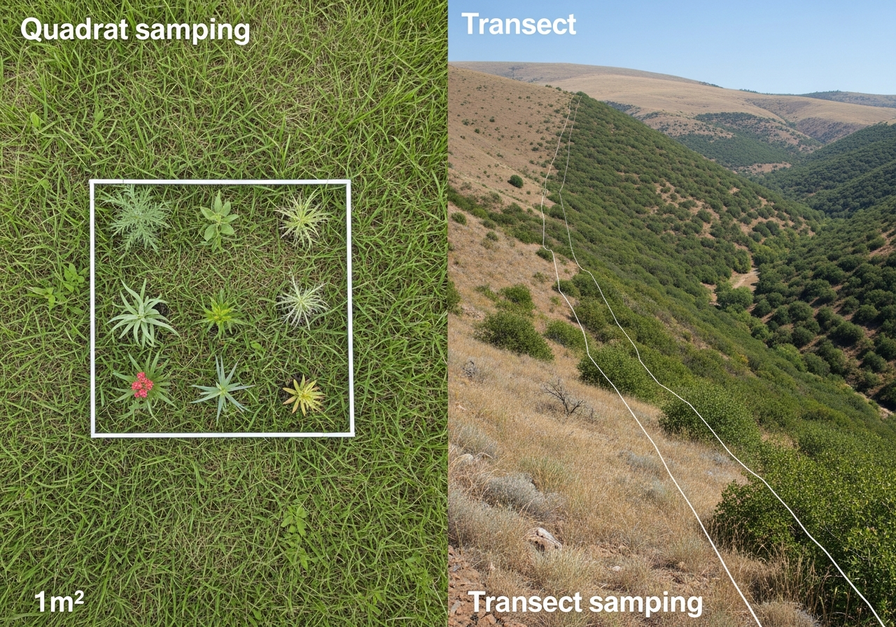
The image illustrates practical techniques for estimating species richness—quadrats for uniform habitats and transects for habitats that vary along a gradient—directly supporting the article’s section on measurement methods.
Challenges in Measurement
Measuring species richness is not without its challenges. Cryptic species (those that look very similar but are genetically distinct), rare species, and highly mobile species can be difficult to detect and identify. Furthermore, the effort invested in sampling directly impacts the number of species found; the more thoroughly an area is sampled, the more species are likely to be discovered.
Beyond Simple Counts: Scales of Diversity
While species richness provides a basic count, ecologists often use a more nuanced framework to describe biodiversity at different spatial scales. These concepts are known as alpha, beta, and gamma diversity.
Alpha Diversity
Alpha diversity refers to the species richness within a particular, relatively homogeneous habitat or ecosystem. It is the diversity found in a local area. For example, the number of bird species in a specific forest patch, or the number of plant species in a single pond, represents its alpha diversity.
Beta Diversity
Beta diversity measures the difference in species composition between two different habitats or ecosystems. It quantifies how much species composition changes as one moves from one habitat to another. A high beta diversity indicates that the two habitats share few species and have distinct communities. For instance, comparing the bird species in a forest to those in an adjacent grassland would reveal their beta diversity.
Gamma Diversity
Gamma diversity represents the total species richness across a large region or landscape, encompassing multiple ecosystems or habitats. It is the overall diversity of a broader geographical area. If you consider all the bird species found across an entire mountain range that includes forests, grasslands, and alpine meadows, you are looking at its gamma diversity.
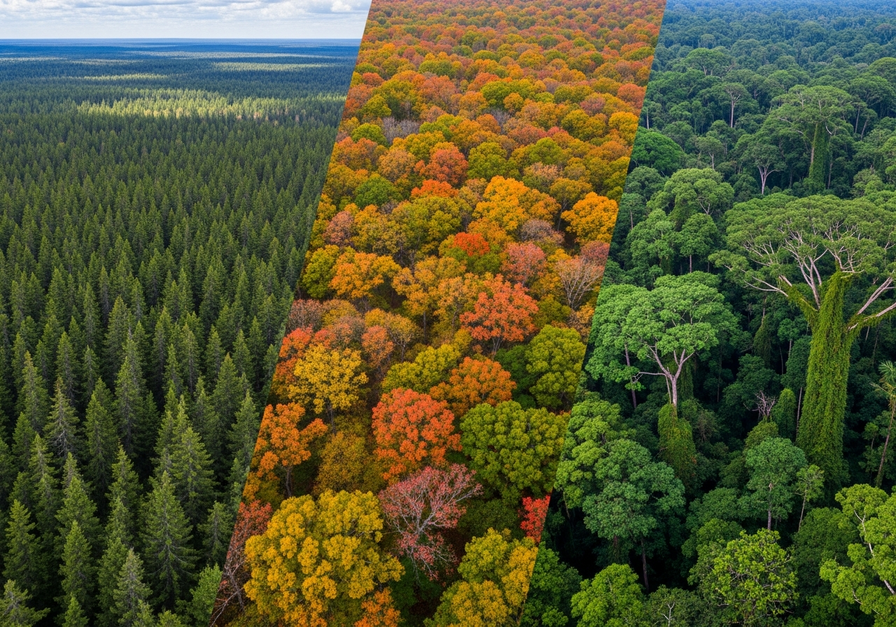
This image visually conveys the concepts of alpha diversity (within each forest stand), beta diversity (differences between the stands), and gamma diversity (the combined species richness of the entire landscape), directly echoing the article’s discussion of diversity scales.
Factors Influencing Species Richness
Many factors contribute to the variation in species richness observed across the globe. Understanding these influences is crucial for predicting how ecosystems might respond to environmental changes.
- Climate: Tropical regions generally exhibit higher species richness than temperate or polar regions. This is often attributed to stable, warm temperatures, high rainfall, and longer evolutionary histories without severe glaciations.
- Habitat Size and Heterogeneity: Larger areas typically support more species than smaller ones, a concept known as the species-area relationship. More varied habitats (e.g., a landscape with mountains, rivers, and forests) also tend to have higher richness because they offer a wider range of niches and resources.
- Productivity: Ecosystems with higher primary productivity (the rate at which energy is converted into organic substances by producers) can often support a greater number of species, as more energy is available at the base of the food web.
- Disturbance: Intermediate levels of disturbance (such as occasional fires or floods) can sometimes increase species richness by preventing a few dominant species from outcompeting others, thus creating opportunities for a wider array of species to thrive. Too frequent or too infrequent disturbance, however, can reduce richness.
- Evolutionary History and Time: Regions that have been stable over long evolutionary periods, without major climatic shifts or geological upheavals, often accumulate more species over time.
Species Richness and Conservation
The concept of species richness is fundamental to conservation efforts. Identifying areas with high species richness, often called biodiversity hotspots, allows conservationists to prioritize regions for protection. Monitoring changes in species richness over time can also serve as an early warning system for environmental degradation or the impacts of climate change.
When species richness declines, it signals a loss of biodiversity, which can have cascading negative effects on ecosystem function and the services they provide. Therefore, efforts to preserve and restore habitats, control invasive species, and mitigate climate change are all aimed at maintaining or enhancing species richness for the health of our planet and future generations.
Conclusion
Species richness, while a simple count, unlocks a profound understanding of life’s complexity and interconnectedness. From the vibrant tapestry of a rainforest to the subtle shifts in a local meadow, the number of distinct species tells a powerful story about an ecosystem’s health, resilience, and value. By appreciating and actively working to preserve species richness, we safeguard the natural heritage that sustains all life on Earth, including our own.