
Understanding Carbon Sinks: Nature’s Climate Regulators
The Earth possesses an intricate system of natural processes that help regulate its climate. Among the most critical of these are carbon sinks, vast reservoirs that absorb and store carbon dioxide from the atmosphere. These natural powerhouses play an indispensable role in maintaining the delicate balance of our planet’s climate, acting as a buffer against the increasing levels of greenhouse gases.
Imagine the Earth breathing. When we exhale, carbon dioxide is released. When we inhale, oxygen is taken in. In a similar, grander fashion, carbon sinks are the planet’s “inhalers,” drawing in carbon dioxide and locking it away, preventing it from trapping excessive heat in the atmosphere. Understanding these vital systems is not just an academic exercise; it is fundamental to comprehending and addressing global climate change.
What Exactly is a Carbon Sink?
At its core, a carbon sink is any natural or artificial reservoir that accumulates and stores some carbon containing chemical compound for an indefinite period. The process by which carbon is removed from the atmosphere and stored is known as carbon sequestration. These sinks essentially remove carbon dioxide, a primary greenhouse gas, from the air, thereby mitigating its warming effect.
Think of it like a giant savings account for carbon. Instead of money, these accounts hold carbon, keeping it out of circulation in the atmosphere. The longer carbon remains stored in these sinks, the more effective they are in helping to stabilize the climate.
Why Are Carbon Sinks So Important?
The Earth’s climate has always experienced natural fluctuations, but the rapid increase in atmospheric carbon dioxide since the Industrial Revolution is largely attributed to human activities, primarily the burning of fossil fuels and deforestation. This excess carbon dioxide acts like a blanket, trapping heat and leading to global warming and climate change.
Carbon sinks are our planet’s natural defense mechanism against this imbalance. Without them, atmospheric carbon dioxide levels would be even higher, accelerating the pace and severity of climate change impacts. They are not merely passive storage units; they are active participants in the global carbon cycle, a complex series of processes that move carbon between the atmosphere, oceans, land, and living organisms.
Major Natural Carbon Sinks
Nature has provided us with several incredibly efficient carbon sinks, each operating through different mechanisms. The primary natural carbon sinks are forests, oceans, and soils.
Forests: The Lungs of the Earth
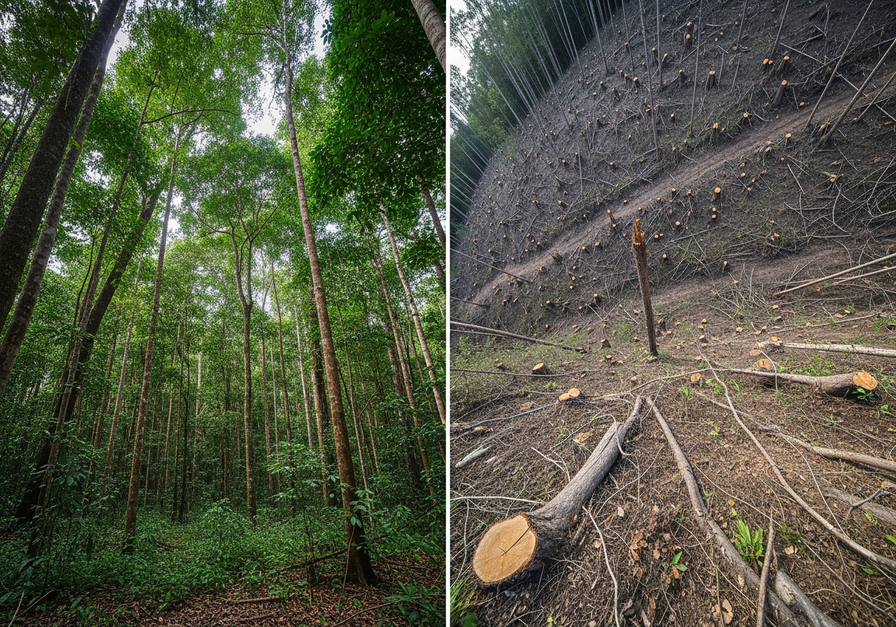
Forests are perhaps the most recognizable and visually striking carbon sinks. Through the process of photosynthesis, trees and other plants absorb carbon dioxide from the atmosphere, convert it into organic compounds, and use it to grow their leaves, branches, trunks, and roots. This carbon is then stored within the plant biomass for the duration of its life.
Old growth forests, in particular, are exceptional at long term carbon storage. Their massive trees can hold vast amounts of carbon for centuries. However, when forests are cleared or burned, the stored carbon is released back into the atmosphere, turning a vital sink into a source of emissions. This stark contrast highlights the critical importance of forest preservation and reforestation efforts.
Oceans: The Blue Carbon Powerhouses
Covering over 70 percent of the Earth’s surface, oceans represent the largest active carbon sink. They absorb a significant portion of atmospheric carbon dioxide through both physical and biological processes. Carbon dioxide dissolves directly into seawater, and marine organisms, from microscopic phytoplankton to massive whales, play a crucial role in cycling this carbon.
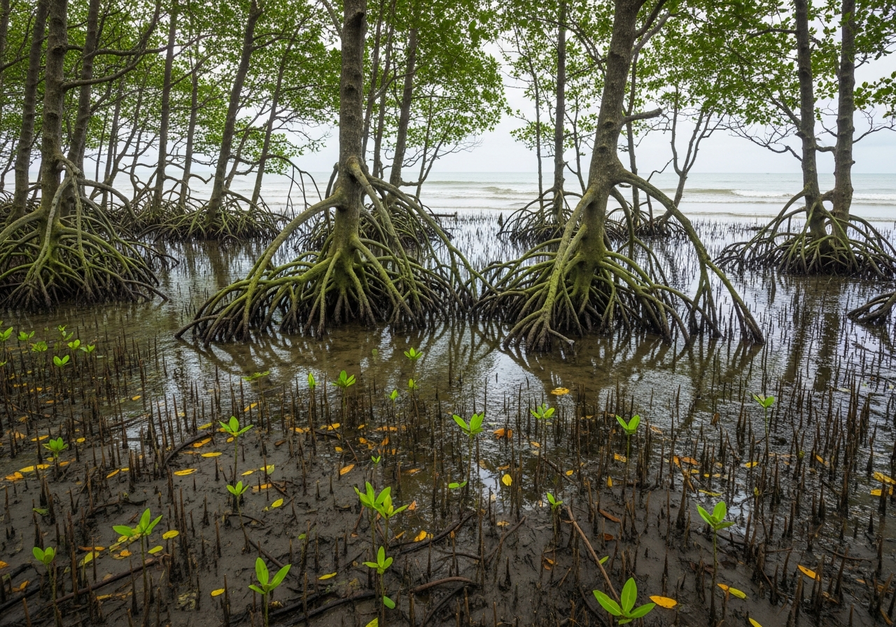
Certain coastal ecosystems, often referred to as “blue carbon” ecosystems, are particularly effective at carbon sequestration. These include mangrove forests, salt marshes, and seagrass beds. They store vast amounts of carbon in their biomass and, more importantly, in their underlying sediments, often for thousands of years. Mangroves, with their intricate root systems, are excellent examples of these blue carbon sinks, protecting coastlines while storing significant carbon.
Soils: The Unsung Heroes Beneath Our Feet
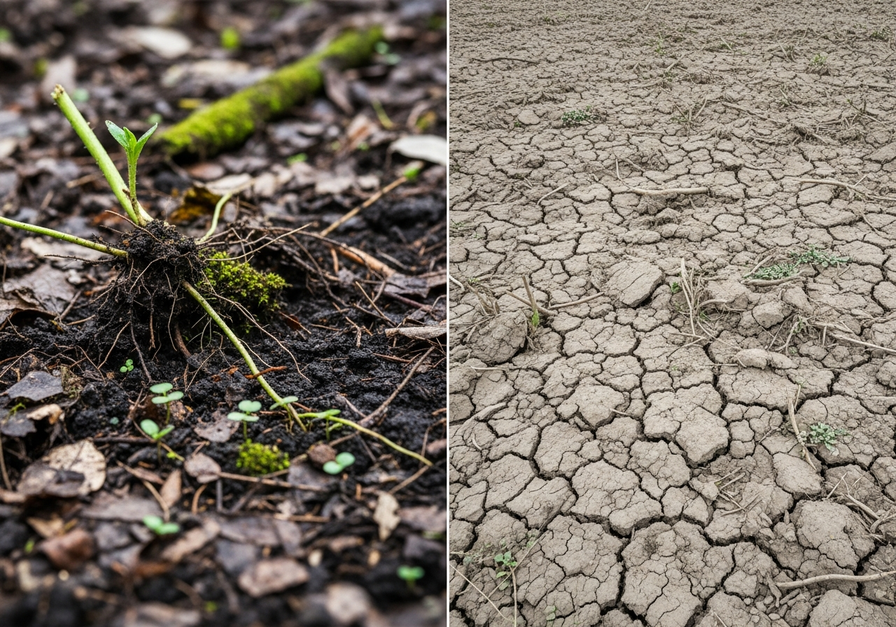
Often overlooked, soil is a massive and vital carbon sink, storing more carbon than all the world’s plants and atmosphere combined. Organic matter in soil, derived from decaying plant and animal material, is rich in carbon. Microorganisms in the soil break down this organic matter, and some of the carbon is incorporated into stable soil organic carbon, which can remain sequestered for centuries.
Healthy soils, rich in organic matter, are teeming with life and have a remarkable capacity to store carbon. Practices like no till farming, cover cropping, and composting can enhance soil carbon sequestration. Conversely, degraded soils, often a result of intensive agriculture or erosion, lose their organic matter and release stored carbon back into the atmosphere, diminishing their capacity as a sink.
The Carbon Cycle and the Role of Sinks
To fully appreciate carbon sinks, it is essential to understand their place within the global carbon cycle. This cycle describes the movement of carbon atoms between the atmosphere, oceans, land, and living organisms. It is a continuous process, with carbon constantly changing forms and locations.
Here is a simplified overview:
- Atmosphere: Carbon exists primarily as carbon dioxide (CO2).
- Photosynthesis: Plants and algae absorb CO2 from the atmosphere (or water) to create food and grow, storing carbon in their biomass.
- Respiration: Plants, animals, and microbes release CO2 back into the atmosphere through breathing and decomposition.
- Ocean Absorption: CO2 dissolves into ocean waters.
- Sedimentation: Over long geological timescales, carbon can be buried and form fossil fuels or carbonate rocks.
- Human Emissions: Burning fossil fuels, deforestation, and industrial processes release large amounts of CO2 into the atmosphere, disrupting the natural balance.
Carbon sinks are the crucial components that help to draw down excess carbon from the atmosphere, attempting to rebalance the cycle that human activities have significantly altered.
Threats to Carbon Sinks
Despite their immense importance, natural carbon sinks are under severe threat from various human induced pressures:
- Deforestation and Land Use Change: The clearing of forests for agriculture, logging, and development directly releases stored carbon and removes the capacity for future sequestration.
- Ocean Acidification: As oceans absorb more CO2, the water becomes more acidic. This acidification harms marine life, particularly organisms with shells or skeletons made of calcium carbonate, such as corals and shellfish, impacting the ocean’s ability to act as a biological carbon pump.
- Soil Degradation: Intensive farming practices, erosion, and urbanization can deplete soil organic matter, reducing its carbon storage capacity and releasing stored carbon.
- Climate Change Itself: Rising temperatures can turn some sinks into sources. For example, thawing permafrost in Arctic regions can release vast amounts of methane and CO2, creating a positive feedback loop.
Enhancing and Protecting Carbon Sinks
Given their critical role, protecting and enhancing natural carbon sinks is a cornerstone of climate change mitigation strategies. This involves a multi faceted approach:
- Forest Conservation and Reforestation: Protecting existing forests, especially old growth and primary forests, is paramount. Reforestation (planting new trees in deforested areas) and afforestation (planting trees in areas that were not previously forested) can significantly increase terrestrial carbon sequestration.
- Sustainable Land Management: Practices that improve soil health, such as regenerative agriculture, cover cropping, and reduced tillage, can boost soil carbon storage.
- Coastal Ecosystem Restoration: Restoring and protecting mangrove forests, salt marshes, and seagrass beds can enhance blue carbon sequestration and provide numerous co benefits like coastal protection and biodiversity support.
- Reducing Emissions: Ultimately, the most effective way to protect carbon sinks is to reduce the amount of carbon dioxide we emit into the atmosphere in the first place.
Conclusion
Carbon sinks are not just abstract scientific concepts; they are living, breathing components of our planet’s life support system. From the towering trees of the Amazon to the intricate roots of mangroves and the unseen microbial life within healthy soil, these natural reservoirs tirelessly work to regulate our climate. Understanding their function, appreciating their vulnerability, and actively participating in their protection and enhancement are crucial steps toward securing a stable and sustainable future for all.