Rainforests are among Earth’s most extraordinary natural wonders, vibrant tapestries of life teeming with unparalleled biodiversity. These lush ecosystems, characterized by their abundant rainfall, play a critical role in regulating global climate, producing oxygen, and harboring a vast array of species, many of which remain undiscovered. Understanding rainforests means delving into their unique structure, intricate ecological processes, and immense importance to the planet.
What Defines a Rainforest?
At its core, a rainforest is an ecosystem distinguished by high annual rainfall, typically exceeding 1,750 to 2,000 millimeters (68 to 78 inches), and a dense, continuous canopy of trees. This consistent moisture creates a perpetually humid environment, fostering an incredible diversity of plant and animal life. The term “rainforest” encompasses two primary types, each with distinct characteristics and geographical distributions:
- Tropical Rainforests: These are perhaps the most iconic, found near the equator in regions such as the Amazon Basin, Central Africa, and Southeast Asia. They experience consistently warm temperatures year-round, with minimal seasonal variation. Their biodiversity is legendary, housing over half of the world’s plant and animal species, despite covering less than 6% of Earth’s land surface.
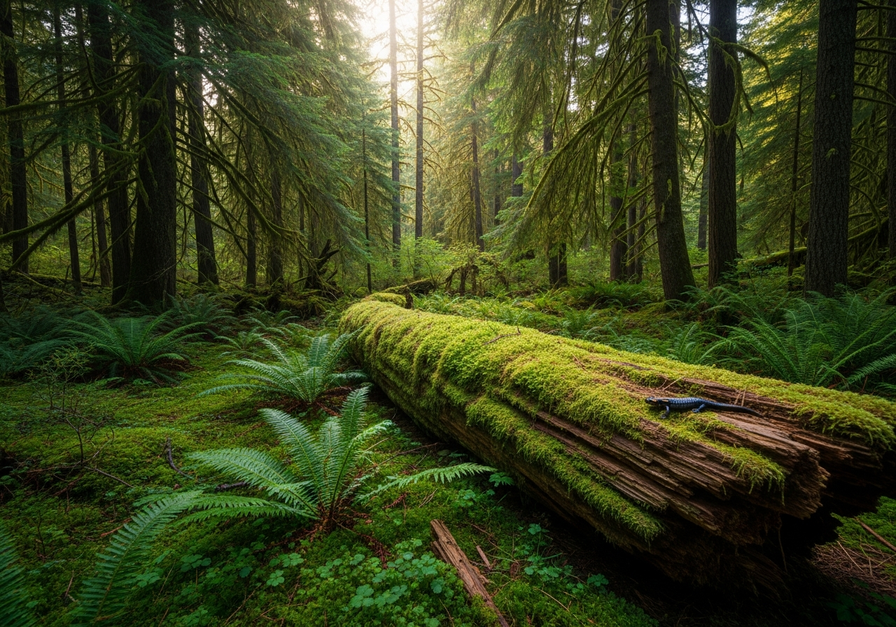
- Temperate Rainforests: Located in cooler coastal regions further from the equator, these rainforests experience milder temperatures and distinct seasons, though rainfall remains high. Examples include the Pacific Northwest of North America, parts of Chile, New Zealand, and Tasmania. While less diverse than their tropical counterparts, temperate rainforests are home to magnificent ancient trees, such as redwoods and Sitka spruce, and a rich understory of mosses and ferns.
Both types of rainforests are vital carbon sinks, absorbing vast amounts of carbon dioxide from the atmosphere and releasing oxygen, making them indispensable in the fight against climate change. Their complex ecosystems also provide countless resources, from medicines to food, and support the livelihoods of indigenous communities.
The Layered World of a Rainforest
One of the most fascinating aspects of a rainforest is its distinct vertical layering, which creates multiple habitats and niches for an astonishing array of life. This stratification is particularly pronounced in tropical rainforests, where competition for sunlight drives plants to grow to incredible heights.
The Emergent Layer
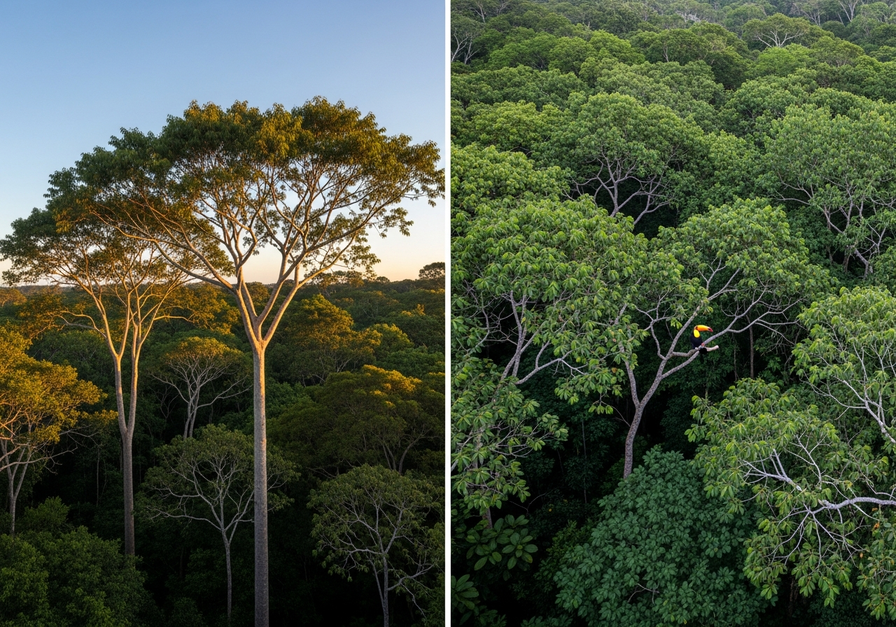
The highest layer, the emergent layer, consists of a few scattered, colossal trees that soar above the general canopy, sometimes reaching heights of 60 to 70 meters (200 to 230 feet) or more. These giants, like the kapok or mahogany trees, are exposed to intense sunlight, strong winds, and extreme temperatures. Their crowns often spread wide, forming an umbrella-like shape. Birds of prey, bats, and certain monkeys are among the creatures that thrive in this exposed, sun-drenched realm.
The Canopy Layer
Below the emergent layer lies the dense, interconnected canopy, often described as the “roof” of the rainforest. This layer, typically 30 to 45 meters (100 to 150 feet) high, is a continuous blanket of leaves and branches, absorbing most of the sunlight. It is the most biodiverse layer, home to an estimated 50% of all plant species and a vast number of animals, including monkeys, sloths, toucans, and countless insects. Life here is a constant buzz of activity, with creatures adapted to navigating this three-dimensional world of branches and foliage.
The Understory Layer
Beneath the canopy, where only about 2 to 5% of sunlight penetrates, is the understory. This layer is characterized by smaller trees, shrubs, and saplings that are adapted to low light conditions. Plants here often have large leaves to maximize light absorption. The understory is home to jaguars, leopards, snakes, frogs, and many insect species. Movement is often restricted by the dense vegetation, and animals rely on keen senses to navigate and find food.
The Forest Floor
The forest floor is the darkest and most humid layer, receiving less than 2% of the available sunlight. It is relatively clear of vegetation in many tropical rainforests, as little light reaches it. However, it is a bustling hub of decomposition, where fallen leaves, branches, and dead animals are rapidly broken down by fungi, bacteria, and insects. This rapid decomposition is crucial for nutrient cycling, returning vital elements to the soil to support the immense growth above. In temperate rainforests, the forest floor is often carpeted with lush mosses and ferns, thriving in the cool, damp conditions.
Ecological Marvels: Adaptations and Nutrient Cycling
The constant competition for resources and the unique environmental conditions within rainforests have led to an astonishing array of ecological adaptations and intricate relationships.
Epiphytes and Nutrient Cycling
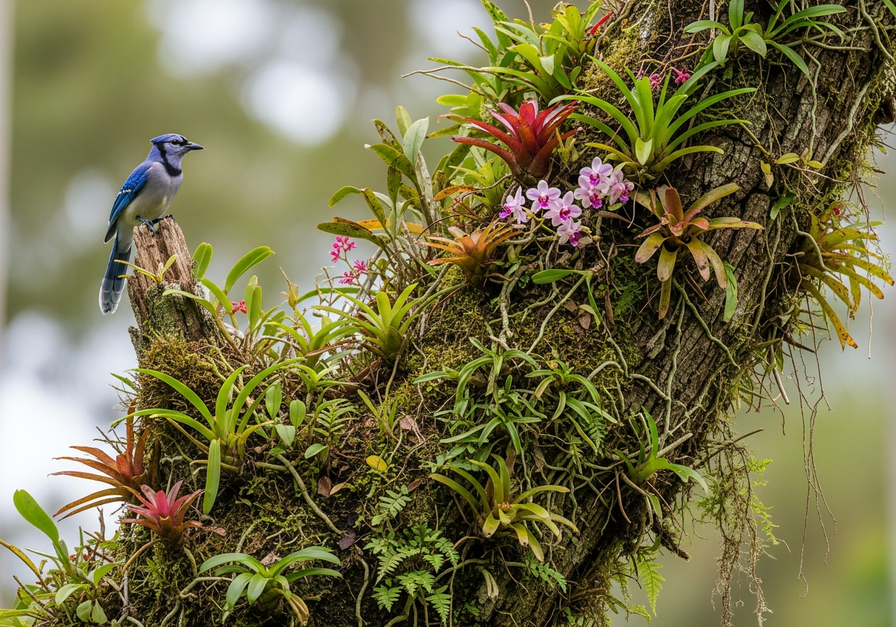
One of the most remarkable adaptations is the prevalence of epiphytes. These are plants, such as orchids, bromeliads, and ferns, that grow on other plants, typically trees, for physical support rather than for nutrients. They are not parasitic; instead, they absorb moisture and nutrients directly from the air, rain, and decaying debris that collects around their roots. Epiphytes are particularly abundant in the canopy and understory layers, where they create miniature ecosystems, providing habitat and food for insects, amphibians, and even small mammals.
The abundance of epiphytes highlights a critical aspect of rainforest ecology: nutrient cycling. Unlike temperate forests with rich soil layers, tropical rainforest soils are often surprisingly poor in nutrients. The vast majority of nutrients are locked up in the living biomass of plants and animals. When organic matter dies, it decomposes incredibly quickly due to the warm, humid conditions, and the nutrients are rapidly reabsorbed by the dense root systems of living plants. This efficient, closed-loop system means that nutrients are recycled almost immediately, preventing them from leaching away.
Other Adaptations
- Drip Tips: Many rainforest leaves have pointed tips, known as “drip tips,” which allow rainwater to run off quickly. This prevents the growth of fungi and bacteria on the leaf surface and reduces the weight of water, which could damage the leaves.
- Buttress Roots: Large rainforest trees often develop massive, shallow buttress roots that spread out horizontally from the base of the trunk. These provide stability in the shallow, often nutrient-poor soils and help to absorb nutrients from the surface.
- Camouflage and Mimicry: The intense predation pressure in rainforests has led to countless examples of camouflage, allowing animals to blend seamlessly into their surroundings, and mimicry, where one species evolves to resemble another, often more dangerous, species.
- Specialized Diets: Many rainforest animals have highly specialized diets, feeding on specific fruits, leaves, or insects. This specialization reduces competition and allows a greater number of species to coexist. For example, some monkeys are frugivores, eating only fruit, while others are folivores, eating only leaves.
Threats and the Imperative for Conservation
Despite their immense ecological value, rainforests worldwide face severe threats. Deforestation, driven by agriculture, logging, mining, and infrastructure development, is the most pressing concern. Vast areas are cleared annually, leading to habitat loss, species extinction, and significant contributions to greenhouse gas emissions.
“The destruction of rainforests is not merely an environmental issue; it is a global crisis impacting climate, biodiversity, and human well-being.”
Climate change also poses a significant threat, altering rainfall patterns, increasing temperatures, and leading to more frequent and intense droughts and fires. These changes disrupt the delicate balance of rainforest ecosystems, pushing many species to the brink.
Conservation efforts are crucial and multifaceted, involving:
- Protected Areas: Establishing national parks and reserves to safeguard critical rainforest habitats.
- Sustainable Practices: Promoting sustainable agriculture, forestry, and resource extraction methods that minimize environmental impact.
- Indigenous Land Rights: Recognizing and supporting the rights of indigenous communities, who are often the most effective stewards of rainforests.
- Ecotourism: Developing responsible tourism that provides economic incentives for conservation and raises awareness.
- Restoration: Reforestation and ecological restoration projects to rehabilitate degraded rainforest areas.
Conclusion
Rainforests are far more than just dense forests; they are complex, dynamic ecosystems that are fundamental to the health of our planet. From the towering emergent trees to the bustling forest floor, each layer contributes to an intricate web of life, showcasing nature’s incredible ingenuity and resilience. Their role in climate regulation, oxygen production, and as reservoirs of biodiversity is irreplaceable. Protecting these vital ecosystems requires a global commitment to understanding, valuing, and conserving them for future generations. The fate of countless species, and indeed our own, is inextricably linked to the future of the rainforests.