Understanding the Rhythm of Life and Loss: The Concept of Death Rate
Life is a delicate balance, a constant interplay of birth and death that shapes everything from the smallest microbial colony to the grandest human civilization and the most complex ecosystems. At the heart of understanding this balance lies a fundamental concept: the death rate. Far more than just a grim statistic, the death rate is a powerful metric that reveals profound insights into the health, resilience, and future of populations, whether they are people, animals, or even plants.
This article delves into the multifaceted world of death rates, exploring its definitions, its critical importance in public health and ecological studies, and the myriad factors that influence it. From the stark realities of human health disparities to the intricate dance of survival in the wild, understanding mortality helps us grasp the very pulse of existence.
What Exactly is a Death Rate?
In its simplest form, a death rate, also known as a mortality rate, is a measure of the number of deaths in a particular population during a specific period. It is typically expressed as the number of deaths per 1,000 or 100,000 individuals per year. This standardized way of reporting allows for meaningful comparisons across different populations and timeframes, providing a clear snapshot of how often death occurs within a group.
Calculating a basic death rate involves a straightforward formula:
Death Rate = (Number of Deaths / Total Population) × Multiplier (e.g., 1,000 or 100,000)
While this formula provides a foundational understanding, the true power of death rates emerges when we look at more specific categories.
The Crucial Role of Death Rates Across Disciplines
Why do scientists, policymakers, and conservationists pay so much attention to death rates? The answer lies in the wealth of information they convey:
- Public Health: Death rates are vital indicators of a community’s health status, the effectiveness of healthcare systems, and the impact of diseases, lifestyle choices, and environmental factors on human well-being.
- Ecology and Conservation: For wildlife and plant populations, death rates are fundamental to understanding population growth or decline, identifying threats to endangered species, and managing ecosystems sustainably.
- Demography: Demographers use death rates, alongside birth rates and migration, to project future population sizes and structures, informing urban planning, resource allocation, and economic forecasting.
- Economics and Social Policy: Changes in death rates can reflect socioeconomic conditions, access to education, nutrition, and sanitation, guiding policy interventions aimed at improving quality of life.
Death Rates in Human Populations: A Mirror to Society
When we talk about human death rates, we often encounter several specific types, each offering a unique perspective on public health challenges and successes.
Crude Death Rate
The crude death rate is the total number of deaths in a given period per 1,000 people in a population. While useful for a general overview, it can be misleading because it does not account for the age structure of a population. For example, a country with a very old population might have a higher crude death rate than a country with a younger population, even if healthcare quality is superior in the former.
Age-Specific Death Rates
To overcome the limitations of crude rates, age-specific death rates examine mortality within particular age groups. This allows for a more accurate comparison and helps identify vulnerable age segments. For instance, comparing the death rate of infants (under one year old) or the elderly (over 65) provides much more targeted information.
Infant Mortality Rate (IMR)
Perhaps one of the most sensitive indicators of a nation’s health and socioeconomic development is the infant mortality rate. This measures the number of deaths of infants under one year of age per 1,000 live births. A high IMR often points to inadequate maternal healthcare, poor nutrition, lack of sanitation, and limited access to medical services. Conversely, a low IMR signifies robust public health infrastructure and a high standard of living.

The image above grounds the abstract concept of infant mortality rate in a real-world, emotionally resonant scene, reinforcing the discussion of socioeconomic and healthcare factors.
Cause-Specific Death Rates
These rates focus on deaths attributable to particular diseases or conditions, such as heart disease, cancer, or infectious diseases. Tracking cause-specific death rates helps public health officials understand disease burdens, allocate resources for prevention and treatment, and evaluate the effectiveness of health interventions.
Factors Influencing Human Death Rates
Numerous factors contribute to the death rate within human populations:
- Healthcare Access and Quality: Availability of doctors, hospitals, medicines, and preventative care significantly impacts survival.
- Nutrition: Malnutrition, both undernutrition and overnutrition, can weaken the body and increase susceptibility to disease.
- Sanitation and Hygiene: Access to clean water, proper waste disposal, and basic hygiene practices are crucial in preventing infectious diseases.
- Socioeconomic Status: Poverty often correlates with poorer health outcomes due to limited access to resources, education, and safe living conditions.
- Environmental Factors: Pollution, natural disasters, and climate change can directly or indirectly affect mortality.
- Conflict and Violence: Wars, civil unrest, and high crime rates dramatically increase death rates.
- Lifestyle Choices: Smoking, excessive alcohol consumption, diet, and physical activity levels play a significant role in chronic disease mortality.

This image visually explains the article’s point that limited healthcare access can raise mortality. By juxtaposing two realistic hospital settings, readers see the tangible difference in death rate determinants.
Death Rates in Ecological Systems: The Wild Side of Mortality
Just as death rates are critical for understanding human populations, they are equally vital for comprehending the dynamics of wildlife and plant communities. In ecology, mortality is a natural and essential process that shapes ecosystems, drives evolution, and maintains biodiversity.
Factors Influencing Wildlife Death Rates
The causes of death in the wild are diverse and often interconnected:
- Predation: Being hunted and killed by other animals is a primary cause of death for many species.
- Disease and Parasites: Outbreaks of illness can decimate populations, especially in dense groups.
- Starvation: Lack of food resources, often due to habitat degradation or extreme weather, leads to widespread mortality.
- Environmental Extremes: Harsh winters, droughts, floods, and heatwaves can directly kill animals or weaken them to other threats.
- Habitat Loss and Fragmentation: Human activities that destroy or divide natural habitats reduce resources and increase stress, leading to higher death rates.
- Competition: Intense competition for limited resources can lead to the death of weaker individuals.
- Accidents: Falls, drowning, or collisions with human infrastructure (like roads) contribute to mortality.
Survivorship Curves: Visualizing Life and Loss
Ecologists use survivorship curves to illustrate the pattern of mortality over an organism’s lifespan. These graphs plot the number of individuals surviving at each age or life stage. There are three general types:
- Type I (Convex Curve): Characterized by low death rates in early and middle life, with mortality increasing sharply in old age. This pattern is typical of species that produce few offspring but provide extensive parental care, such as humans, elephants, and large mammals.
- Type II (Diagonal Curve): Shows a relatively constant death rate throughout the lifespan. This is common for species where environmental factors or predation affect individuals equally regardless of age, like some birds, small mammals, and reptiles.
- Type III (Concave Curve): Exhibits very high death rates for the young, followed by much lower death rates for those few individuals who survive to adulthood. This strategy is common in species that produce a large number of offspring with little to no parental care, such as many fish, insects, and plants.

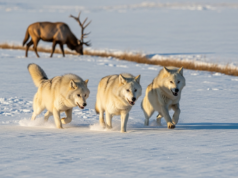
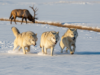
By juxtaposing living and dead wildlife, the image makes the ecological concept of death rate tangible, complementing the explanation of population dynamics and survivorship curves.
Death Rates and Population Dynamics
In ecology, death rates are intrinsically linked to birth rates and migration in determining population dynamics. If the death rate exceeds the birth rate, a population will decline. Conversely, if the birth rate outpaces the death rate, the population will grow. Understanding these dynamics is crucial for conservation efforts, allowing scientists to identify species at risk and implement strategies to protect them, such as habitat restoration or disease management.
Beyond the Basics: Advanced Insights into Mortality
For those delving deeper, the study of death rates extends into more complex analyses and applications.
Life Tables
Life tables are detailed statistical tools that summarize the mortality and survival patterns of a population at different ages. They are used extensively in demography, actuarial science, and ecology to calculate life expectancy, predict future population trends, and assess the impact of various factors on survival.
The Demographic Transition Model
This model describes the historical shift in birth and death rates from high to low levels in industrialized countries. It typically involves several stages, starting with high birth and death rates, followed by a decline in death rates (due to improved public health), then a decline in birth rates, eventually leading to low birth and death rates. Understanding this transition helps explain population changes globally.
Statistical Modeling and Prediction
Advanced statistical models are employed to analyze complex datasets related to mortality, identify risk factors, and predict future death rates under different scenarios. This is invaluable for public health planning, climate change impact assessments, and conservation forecasting.
The Enduring Importance of Understanding Mortality
From the individual human life to the grand tapestry of global biodiversity, death rates are a fundamental measure of health, resilience, and change. They are not merely numbers but reflections of underlying conditions, challenges, and successes. By meticulously studying and understanding these rates, we gain the knowledge to improve human well-being, protect vulnerable species, and foster a more sustainable future for all life on Earth. The rhythm of life and loss continues, and our ability to comprehend it is key to navigating the path ahead.