In the intricate tapestry of life, genetic diversity is the invisible thread that weaves resilience into populations. It is the raw material for adaptation, allowing species to evolve and survive in a constantly changing world. However, as human activities fragment habitats and isolate populations, this vital diversity is often eroded, pushing many species to the brink. This is where the innovative conservation strategy known as genetic rescue steps in, offering a lifeline to populations teetering on the edge of extinction.
The Silent Threat: Low Genetic Diversity and Inbreeding Depression
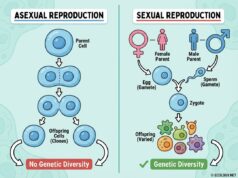
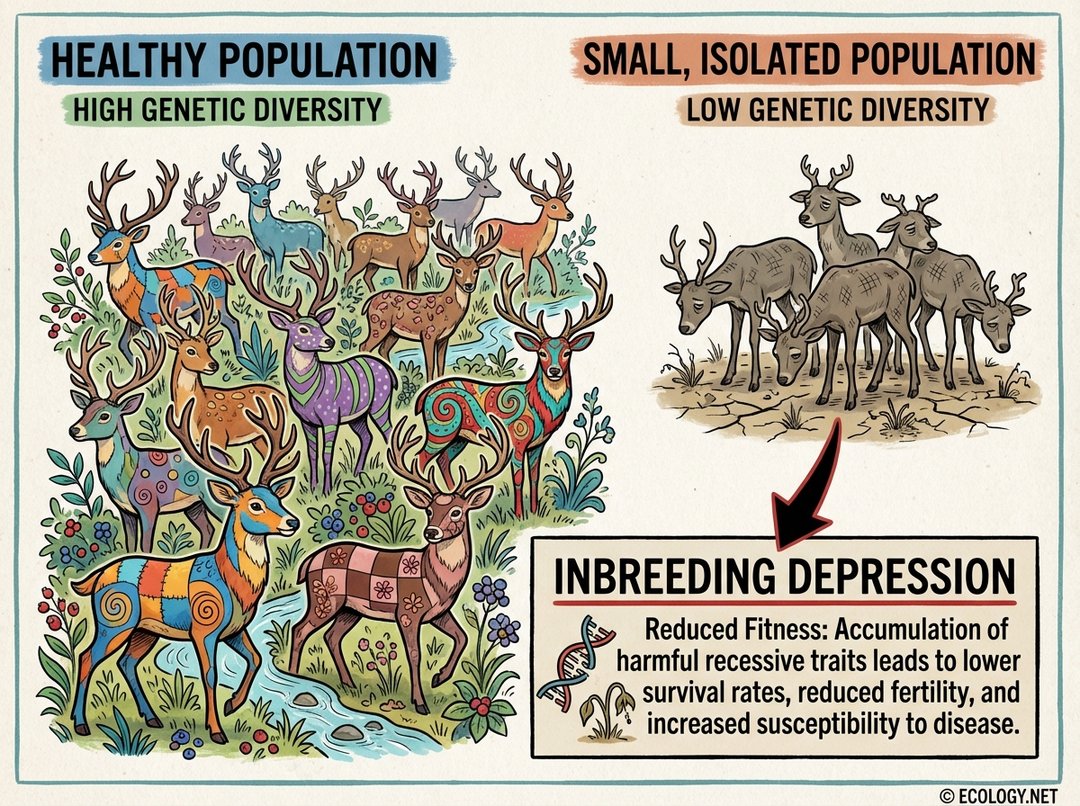
Imagine a small island where a unique population of birds has lived for centuries. Over time, their numbers dwindle, perhaps due to habitat loss or a new predator. As the population shrinks, individuals become more likely to mate with close relatives. This phenomenon, known as inbreeding, leads to a reduction in genetic diversity. Think of it as repeatedly shuffling the same small deck of cards; eventually, the variety of hands you can deal becomes very limited.
Low genetic diversity makes a population vulnerable. It reduces the gene pool, limiting the range of traits available for natural selection to act upon. More critically, it often leads to a condition called inbreeding depression. This is not merely a theoretical concept; it manifests as tangible biological problems:
- Reduced fertility and reproductive success
- Lower survival rates for offspring
- Increased susceptibility to diseases
- Physical abnormalities and deformities
- Overall decline in population health and viability
Essentially, the population becomes weaker, less able to cope with environmental stresses, and increasingly prone to extinction. This downward spiral is a major concern for conservation biologists worldwide.
What is Genetic Rescue? A Lifeline for Endangered Species
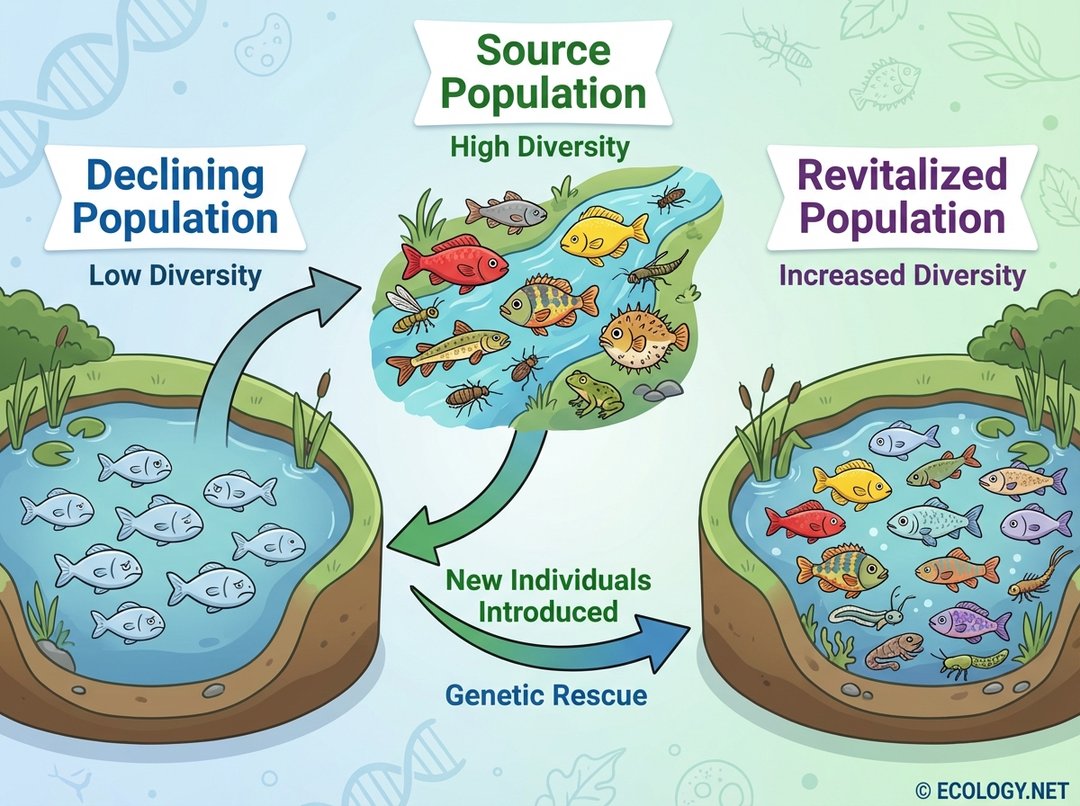
Genetic rescue is a targeted conservation intervention designed to reverse the negative effects of inbreeding depression and low genetic diversity in a declining population. It involves the intentional introduction of individuals from a genetically distinct, healthy source population into an isolated, struggling one. The goal is to infuse new genetic material, thereby increasing the genetic diversity of the recipient population.
This strategy is not about simply increasing numbers; it is about improving the genetic health of the population. The introduced individuals bring with them novel alleles, or different versions of genes, which can:
- Increase heterozygosity, meaning individuals have more varied gene pairs, often leading to greater fitness.
- Mask deleterious recessive alleles that were previously expressed due to inbreeding.
- Restore adaptive potential, allowing the population to better respond to environmental changes and disease.
The concept is akin to adding fresh, nutrient rich soil to a struggling garden. The new elements revitalize the existing plants, making them stronger and more productive.
A Beacon of Hope: The Florida Panther Success Story
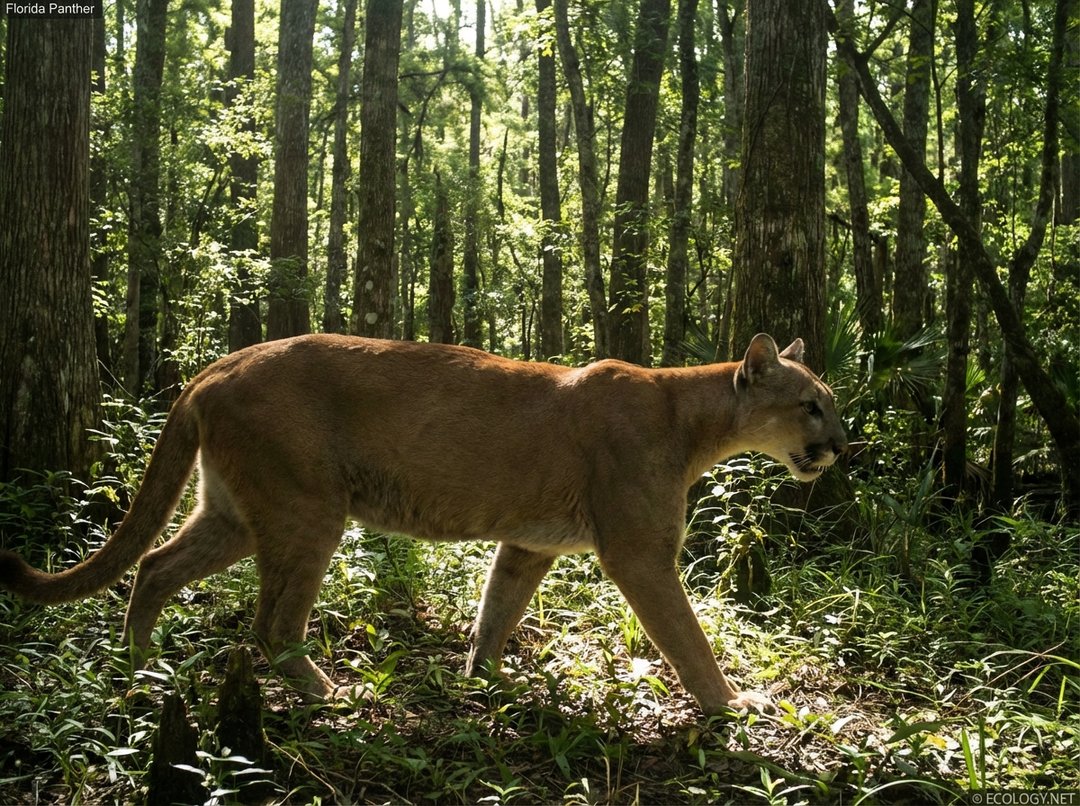
One of the most compelling and widely cited examples of successful genetic rescue involves the iconic Florida Panther. By the early 1990s, this subspecies of puma faced imminent extinction. Its population had dwindled to fewer than 30 individuals, confined to a small area of southern Florida. Evidence of severe inbreeding depression was rampant:
- High rates of heart defects.
- Cryptorchidism (undescended testicles) in males, leading to low reproductive success.
- Immune system deficiencies.
- Kinked tails and other physical abnormalities.
In 1995, a bold decision was made. Eight female pumas from a genetically similar but distinct population in Texas were introduced into Florida. The results were dramatic and swift. Within a few years, the health of the panther population improved significantly. Birth rates increased, survival rates soared, and the prevalence of inbreeding related defects plummeted. Today, the Florida Panther population has rebounded to over 200 individuals, a testament to the power of genetic rescue.
When is Genetic Rescue the Right Path? Identifying Candidates
Genetic rescue is not a universal panacea for all endangered species. Its application requires careful consideration and a thorough understanding of the population’s genetic health and ecological context. Key indicators that might suggest a population is a candidate for genetic rescue include:
- Small, Isolated Populations: Populations that have been geographically or reproductively isolated for many generations, often due to habitat fragmentation.
- Evidence of Inbreeding Depression: Observable signs of reduced fitness, such as low reproductive rates, high juvenile mortality, or increased incidence of genetic diseases.
- Genetic Analysis: Scientific studies revealing low heterozygosity, high relatedness among individuals, or a lack of genetic variation at key loci.
- Lack of Natural Dispersal: Situations where natural migration of individuals from other populations is impossible or severely restricted.
Before implementing a genetic rescue program, extensive genetic analysis is crucial to identify suitable source populations that are genetically distinct enough to provide beneficial diversity but not so divergent as to cause other problems.
The Science Behind the Strategy: Unpacking the Mechanisms
At its core, genetic rescue leverages fundamental principles of population genetics. When new individuals are introduced, they bring a fresh set of alleles into the recipient population’s gene pool. This has several profound effects:
Increasing Heterozygosity
Inbred populations have a high proportion of homozygous gene pairs, meaning individuals often inherit identical alleles from both parents. This increases the likelihood of expressing deleterious recessive traits. Introducing new genes increases heterozygosity, where individuals have two different alleles for a given gene. This often provides a fitness advantage, as beneficial dominant alleles can mask the effects of harmful recessive ones.
Introducing Novel Alleles
Source populations often possess alleles that are absent or rare in the inbred population. These new alleles can confer resistance to diseases, enhance metabolic efficiency, or improve reproductive traits, thereby boosting the overall adaptive capacity of the population.
Breaking the Cycle of Inbreeding
By introducing unrelated individuals, genetic rescue effectively breaks the cycle of mating among close relatives. This immediately reduces the probability of offspring inheriting two copies of the same deleterious recessive allele, leading to an almost instantaneous improvement in fitness, often referred to as “hybrid vigor” or heterosis.
Navigating the Complexities: Challenges and Considerations
While genetic rescue offers immense promise, it is not without its challenges and potential pitfalls. Conservation biologists must carefully weigh several factors:
- Outbreeding Depression: This is the opposite of inbreeding depression. If the source population is too genetically divergent from the recipient population, the offspring might be less fit than either parent population. This can occur if the two populations have adapted to very different local environments, and their genes are incompatible when mixed. Careful genetic matching is essential to mitigate this risk.
- Disease Transmission: Introducing new individuals always carries the risk of introducing novel pathogens or parasites to which the recipient population has no immunity. Rigorous health screening protocols are paramount.
- Logistical Challenges: Capturing, transporting, and releasing animals can be complex, expensive, and stressful for the animals involved. It requires significant resources, expertise, and often, public support.
- Behavioral and Ecological Integration: Introduced individuals must be able to integrate into the existing social structure and adapt to the local environment. Behavioral differences or lack of familiarity with local food sources or predators could hinder their success.
- Ethical Considerations: Deliberately altering the genetic makeup of a wild population raises ethical questions. Decisions must be made with a deep understanding of the species’ biology and long term conservation goals.
Beyond the Individual: Broader Conservation Implications
Genetic rescue represents a proactive and powerful tool in the conservation arsenal, moving beyond simply protecting habitat to actively restoring the biological health of populations. Its success highlights the critical importance of genetic diversity for species survival and underscores the interconnectedness of ecological and genetic processes.
As human impacts continue to fragment natural landscapes and isolate wildlife, the need for such targeted interventions will likely grow. Genetic rescue is not a substitute for addressing the root causes of biodiversity loss, such as habitat destruction and climate change. Instead, it serves as a vital emergency measure, buying time for critically endangered populations while broader conservation efforts are implemented. It is a testament to the ingenuity of conservation science and a beacon of hope for a future where even the most imperiled species can find a path to recovery.
Understanding genetic rescue is understanding a fundamental principle of life: diversity is strength. By embracing this principle, humanity can play a crucial role in safeguarding the planet’s invaluable biodiversity for generations to come.