
The Unseen Architects of Life: Understanding Earth’s Producers
Imagine a world without energy. A silent, still planet devoid of motion, growth, or even a single breath. Fortunately, this is not our reality, thanks to an extraordinary group of organisms that tirelessly work behind the scenes, converting raw energy into the very fuel that sustains all life. These are Earth’s producers, the unsung heroes and the true architects of every ecosystem.
From the towering trees of ancient forests to the microscopic algae drifting in the vast oceans, producers are the foundational layer upon which the intricate tapestry of life is woven. They capture energy from their environment and transform it into organic compounds, essentially creating food from scratch. Understanding these remarkable organisms is not just a scientific pursuit; it is a journey into the very heart of how our planet functions and how every living thing, including humanity, thrives.

What Exactly Are Producers?
At its core, the concept of a producer is elegantly simple yet profoundly powerful. Producers are organisms that generate their own food, typically using light or chemical energy. In ecological terms, they are known as autotrophs, meaning “self-feeders.” They stand in stark contrast to consumers (heterotrophs), which must obtain energy by eating other organisms, and decomposers, which break down dead organic matter.
The Foundation of Every Ecosystem
Think of any food chain or food web you have ever encountered. The very first link, the base of the entire structure, is always a producer. Without these primary energy converters, there would be no energy available for anything else to consume. They are the initial entry point for energy into an ecosystem, making them absolutely indispensable.
Producers are the ultimate alchemists of the natural world, transforming inert elements and raw energy into the vibrant, living matter that fuels our planet.
The Magic of Photosynthesis: Sunlight into Sustenance
The vast majority of producers on Earth employ a process called photosynthesis. This incredible biological feat allows them to harness the energy of sunlight to convert carbon dioxide and water into glucose (a sugar, their food) and oxygen. The key ingredient for this transformation is a green pigment called chlorophyll, found within specialized organelles called chloroplasts in their cells.
The simplified equation for photosynthesis illustrates this marvel:
Carbon Dioxide + Water + Sunlight Energy → Glucose + Oxygen
Consider the sheer scale of this process. Every breath taken, every bite of food consumed, every movement made by an animal, ultimately traces its energy back to this fundamental reaction. It is the engine that drives nearly all life on Earth.
Why They Are Indispensable
The importance of producers extends far beyond simply providing food. Their roles are multifaceted and critical for planetary health:
- Energy Conversion: They are the primary converters of light energy into chemical energy, making it accessible to all other life forms.
- Oxygen Production: Photosynthesis releases oxygen as a byproduct, replenishing the atmosphere and making aerobic respiration possible for countless species.
- Carbon Sequestration: They absorb vast amounts of carbon dioxide from the atmosphere, playing a vital role in regulating Earth’s climate.
- Habitat Creation: Forests, coral reefs, and kelp beds, all built by producers, provide shelter and breeding grounds for innumerable organisms.
A World of Green: Diverse Examples of Producers
Producers come in an astonishing array of shapes, sizes, and forms, thriving in nearly every corner of our planet.
Terrestrial Titans: Plants
When most people think of producers, plants immediately come to mind. And for good reason! From the smallest mosses clinging to rocks to the colossal redwood trees reaching for the sky, plants dominate terrestrial ecosystems.
- Forests: Tropical rainforests, temperate deciduous forests, boreal forests. These vast ecosystems are built upon the photosynthetic power of trees, shrubs, and undergrowth. They are biodiversity hotspots and crucial carbon sinks.
- Grasslands: Prairies, savannas, steppes. Dominated by various grasses, these areas support immense herds of grazing animals, like bison in North America or wildebeest in Africa.
- Agricultural Crops: Wheat, corn, rice, fruits, vegetables. These cultivated plants are producers directly feeding billions of humans and livestock globally.
Plants also play critical roles in soil formation, preventing erosion, and regulating local water cycles.
Aquatic Alchemists: Algae and Phytoplankton
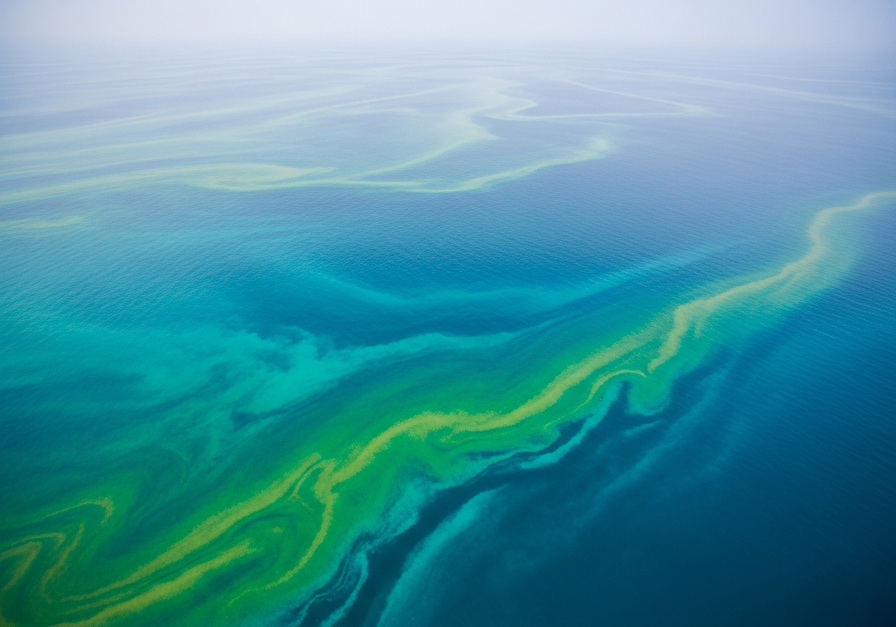
While often less visible, aquatic producers are equally, if not more, important on a global scale. The oceans, lakes, and rivers teem with photosynthetic life.
- Phytoplankton: These microscopic, single-celled organisms drift in the sunlit upper layers of oceans and freshwater bodies. Despite their tiny size, they are collectively responsible for an estimated 50-85% of the oxygen in Earth’s atmosphere. Examples include diatoms, dinoflagellates, and coccolithophores.
- Seaweeds: Macroscopic algae, such as kelp, rockweed, and sea lettuce, form vast underwater forests and meadows. Kelp forests, for instance, are incredibly productive ecosystems, providing food and shelter for a diverse array of marine life.
- Aquatic Plants: Water lilies, cattails, and seagrasses are true plants that have adapted to aquatic environments, playing important roles in coastal and freshwater ecosystems.
The Unsung Microbes: Cyanobacteria
Often overlooked, cyanobacteria (sometimes called blue-green algae, though they are bacteria) are ancient and incredibly important producers. They were among the first organisms to perform photosynthesis, and their activity billions of years ago was responsible for oxygenating Earth’s early atmosphere, paving the way for the evolution of complex life.
- They are found in almost every environment imaginable: oceans, freshwater, soil, and even extreme habitats.
- Some cyanobacteria can also fix atmospheric nitrogen, converting it into a usable form for other organisms, further enriching ecosystems.
Beyond Sunlight: The Enigma of Chemosynthesis
While photosynthesis dominates the energy conversion landscape, there is another, more mysterious form of primary production: chemosynthesis. This process allows certain organisms to create organic compounds using chemical energy, rather than light energy.
Life in the Dark Depths
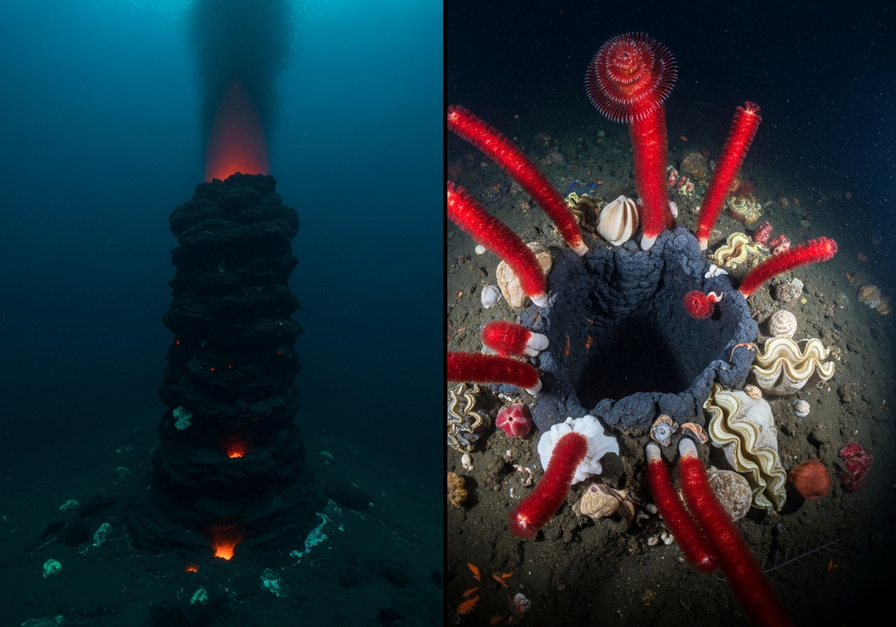
Chemosynthesis is most famously observed in the deep ocean, particularly around hydrothermal vents and cold seeps. Here, far from any sunlight, specialized bacteria thrive by oxidizing inorganic chemical compounds released from Earth’s crust.
- Hydrothermal Vents: These underwater geysers spew superheated, mineral-rich water. Chemosynthetic bacteria utilize compounds like hydrogen sulfide, methane, and iron to produce energy.
- Unique Ecosystems: These bacteria form the base of astonishing ecosystems, supporting bizarre and wonderful creatures like giant tube worms, specialized clams, mussels, and crabs, all of which rely directly or indirectly on the chemosynthetic producers.
- Other Chemosynthetic Environments: Chemosynthesis also occurs in other oxygen-poor environments, such as certain soils, caves, and even within the guts of some animals, where specific bacteria can utilize chemical reactions to produce energy.
The Engine Room: How Producers Fuel the Planet
The impact of producers resonates throughout every aspect of planetary ecology. They are the silent foundation of every ecosystem, the regulators of our climate, and the ultimate source of our food, medicines, and materials.
The Food Web’s Cornerstone
Every food web begins with producers. They are classified as primary producers. Organisms that eat producers are called primary consumers (herbivores). Those that eat primary consumers are secondary consumers, and so on. This hierarchical transfer of energy is crucial for the survival of all higher trophic levels.
- Energy Flow: Energy flows unidirectionally from producers to consumers. At each transfer, a significant amount of energy (typically around 90%) is lost as heat, which is why there are fewer organisms at higher trophic levels.
- Biomass Production: Producers create biomass, the total mass of living organisms in a given area. This biomass forms the structural foundation of ecosystems.
Oxygen: The Breath of Life
The oxygen in Earth’s atmosphere, so vital for aerobic respiration in animals, fungi, and many bacteria, is largely a byproduct of photosynthesis. Billions of years ago, the rise of photosynthetic cyanobacteria dramatically altered Earth’s atmosphere, leading to the “Great Oxidation Event” and paving the way for the evolution of oxygen-breathing life forms.
- Atmospheric Composition: Producers continuously replenish atmospheric oxygen, maintaining the delicate balance necessary for complex life.
- Aquatic Oxygen: In aquatic environments, photosynthetic algae and plants are the primary source of dissolved oxygen, which is essential for fish and other aquatic animals.
Carbon Cycle Regulators
Producers are central to the global carbon cycle. They absorb carbon dioxide from the atmosphere (or dissolved in water) and incorporate it into their organic molecules. This process is known as carbon sequestration.
- Carbon Sinks: Forests, peatlands, and oceans (through phytoplankton) act as massive carbon sinks, storing carbon in their biomass and in the soil or sediments.
- Climate Regulation: By removing carbon dioxide, a potent greenhouse gas, from the atmosphere, producers play a critical role in regulating Earth’s climate. Changes in producer populations, such as deforestation or ocean acidification affecting phytoplankton, can have significant impacts on global carbon levels and climate patterns.
Factors Influencing Producer Productivity
The ability of producers to generate biomass and energy is not constant; it is influenced by a range of environmental factors. Understanding these factors is crucial for comprehending ecosystem health and productivity.
Light Availability
For photosynthetic producers, light is the ultimate energy source. Its availability dictates where and how much they can grow.
- Intensity: Too little light limits photosynthesis; too much can sometimes damage photosynthetic machinery.
- Duration: The length of daylight hours affects total energy capture.
- Quality: Different wavelengths of light penetrate water to varying depths, influencing the types of algae that can thrive at certain levels.
In dense forests, light becomes a limiting factor for understory plants. In oceans, the euphotic zone (the sunlit upper layer) is where most photosynthesis occurs.
Water and Nutrients
Water is a fundamental reactant in photosynthesis and essential for all plant physiological processes. Nutrients are the building blocks for growth.
- Water: Drought conditions severely limit plant growth and survival. In aquatic systems, water quality and clarity are important.
- Macronutrients: Nitrogen (N), phosphorus (P), and potassium (K) are required in large quantities for plant growth. Nitrogen is crucial for proteins and nucleic acids, while phosphorus is vital for energy transfer (ATP).
- Micronutrients: Trace elements like iron, zinc, and copper are needed in smaller amounts but are equally essential for various metabolic functions.
The availability of these nutrients often dictates the productivity of an ecosystem. For example, nutrient-poor soils support less vegetation, while nutrient-rich waters can lead to algal blooms.
Temperature and Carbon Dioxide
Temperature affects the rate of biochemical reactions, including photosynthesis. Carbon dioxide is a primary reactant.
- Temperature: Each producer species has an optimal temperature range for growth. Extremes of heat or cold can inhibit or halt photosynthetic activity.
- Carbon Dioxide: As a raw material for photosynthesis, CO2 concentration in the atmosphere or dissolved in water directly impacts photosynthetic rates. While increased CO2 can sometimes boost plant growth (CO2 fertilization effect), this is often limited by other factors.
The Future of Producers in a Changing World
Despite their fundamental importance, producers face unprecedented challenges in the modern era, largely due to human activities. However, there are also opportunities for innovation and conservation.
Challenges
- Deforestation and Habitat Loss: The clearing of forests for agriculture, urbanization, and logging directly reduces the planet’s primary producers and carbon sinks.
- Pollution: Air and water pollution can harm producers. For example, nutrient runoff can cause harmful algal blooms, and acid rain can damage forests.
- Climate Change: Rising temperatures, altered precipitation patterns, and extreme weather events can stress producers, impacting their growth and distribution.
- Ocean Acidification: Increased absorption of atmospheric CO2 by oceans leads to acidification, which threatens marine producers, particularly those with calcium carbonate shells or structures, like some phytoplankton and corals.
Opportunities
- Sustainable Practices: Implementing sustainable forestry, agriculture, and fishing practices can protect producer populations and enhance ecosystem health.
- Biotechnology and Bioengineering: Research into improving crop yields, developing drought-resistant plants, and enhancing the carbon-capturing capabilities of producers offers promising avenues.
- Conservation and Restoration: Protecting existing natural habitats and actively restoring degraded ecosystems are vital for maintaining producer diversity and function.
- Public Awareness: Educating the public about the critical role of producers can foster greater appreciation and support for conservation efforts.
Conclusion: A Call to Appreciate the Green Heart of Earth
Producers are more than just plants or algae; they are the living engines of our planet, tirelessly converting raw energy into the sustenance and oxygen that define life as we know it. They are the silent foundation of every ecosystem, the regulators of our climate, and the ultimate source of our food, medicines, and materials.
From the vibrant green of a forest canopy to the invisible bloom of phytoplankton in the ocean’s depths, producers remind us of the incredible power of life to create and sustain itself. Recognizing their profound importance is the first step towards ensuring their health and, by extension, the health and future of all life on Earth. Let us look upon the green world with renewed appreciation, understanding that in every leaf, every blade of grass, and every microscopic cell, lies the fundamental force that powers our living planet.