Unpacking Sustainable Hunting: A Cornerstone of Modern Conservation
The term “sustainable hunting” often sparks a range of reactions, from immediate understanding to profound skepticism. Yet, at its core, this practice is not merely about harvesting wildlife; it is a meticulously managed approach deeply rooted in ecological science and a vital component of contemporary conservation efforts. Far from being a contradiction, sustainable hunting represents a careful balance, ensuring that wildlife populations thrive for generations to come, while also providing ecological, economic, and cultural benefits.
To truly grasp this concept, we must look beyond simplistic notions and delve into the intricate relationship between humans, wildlife, and their shared ecosystems. It is about understanding the carrying capacity of the land, the dynamics of animal populations, and the role that regulated human interaction can play in maintaining healthy, resilient natural systems.
What is Sustainable Hunting? The Garden Analogy
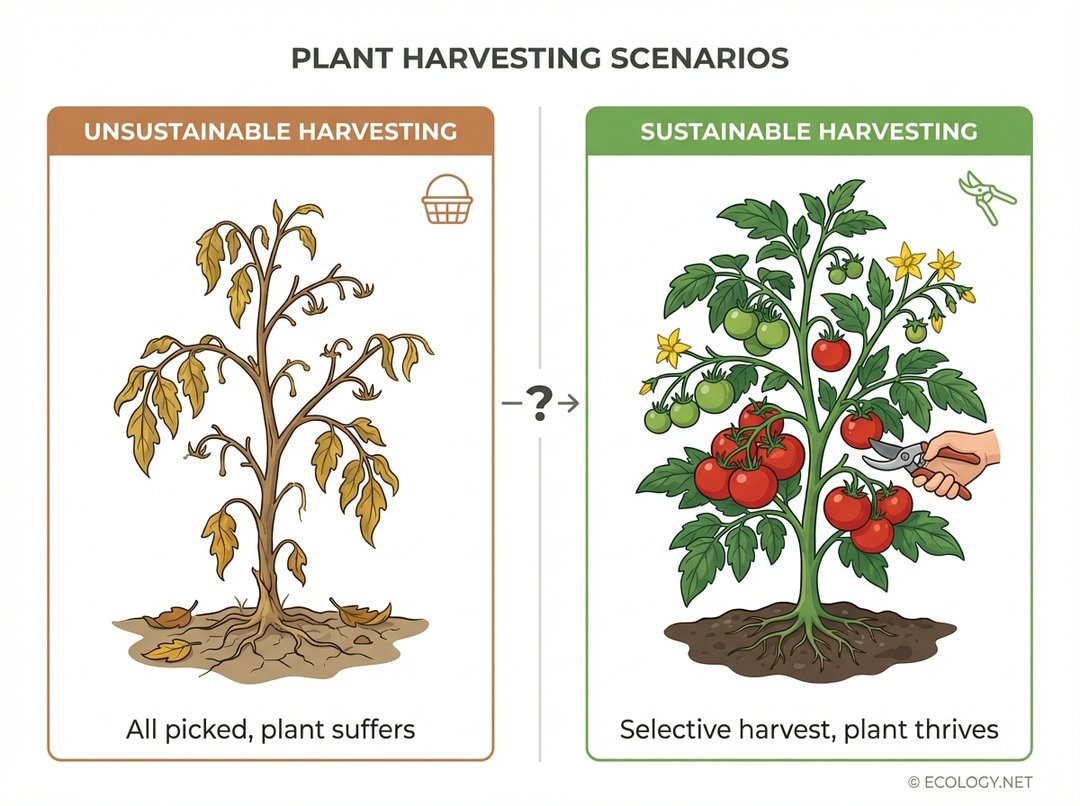
Imagine your backyard garden. If you pick every single ripe tomato, pull up the plant, and exhaust the soil, you will have a bountiful harvest for one season, but nothing for the next. This is unsustainable. Conversely, if you selectively pick ripe tomatoes, leaving some to mature, allowing new flowers to bloom, and nurturing the plant and soil, you ensure a continuous yield year after year. This is sustainable.
The principle of sustainable hunting mirrors this garden wisdom. It is about harvesting a portion of a wildlife population in a way that does not diminish its long-term health, reproductive capacity, or genetic diversity. It ensures that there will always be a robust population for the future, maintaining the ecological balance of the habitat.
This approach requires a deep understanding of ecology, population dynamics, and the specific needs of each species. It is not indiscriminate taking, but rather a carefully calculated management strategy.
Why Sustainable Hunting Matters for Ecosystem Health
The importance of sustainable hunting extends far beyond simply managing animal numbers. It plays a crucial role in maintaining the overall health and balance of ecosystems. Here are some key reasons why it is a cornerstone of modern conservation:
- Population Control and Disease Prevention: In many areas, apex predators like wolves or cougars have diminished, leading to overpopulation of herbivores such as deer. Unchecked populations can decimate vegetation, degrade habitats, and increase the spread of diseases within the herd and to other species. Sustainable hunting helps regulate these populations, preventing ecological damage and promoting healthier animals.
- Habitat Preservation: Revenue generated from hunting licenses, tags, and excise taxes on hunting equipment often directly funds wildlife agencies and conservation programs. This money is used for habitat restoration, land acquisition, and research, benefiting not only game species but all wildlife.
- Biodiversity Maintenance: By preventing overgrazing or overbrowsing by abundant species, sustainable hunting helps protect plant diversity and the smaller animals that rely on specific vegetation. It contributes to a more balanced and resilient ecosystem.
- Economic Benefits: Sustainable hunting supports rural economies through tourism, outfitting services, and related industries, providing incentives for local communities to protect wildlife and their habitats.
The Foundational Pillars of Sustainable Hunting
Sustainable hunting is not a haphazard activity; it is built upon a framework of scientific principles designed to ensure long-term ecological integrity. These pillars are interconnected and mutually supportive, forming the bedrock of responsible wildlife management.
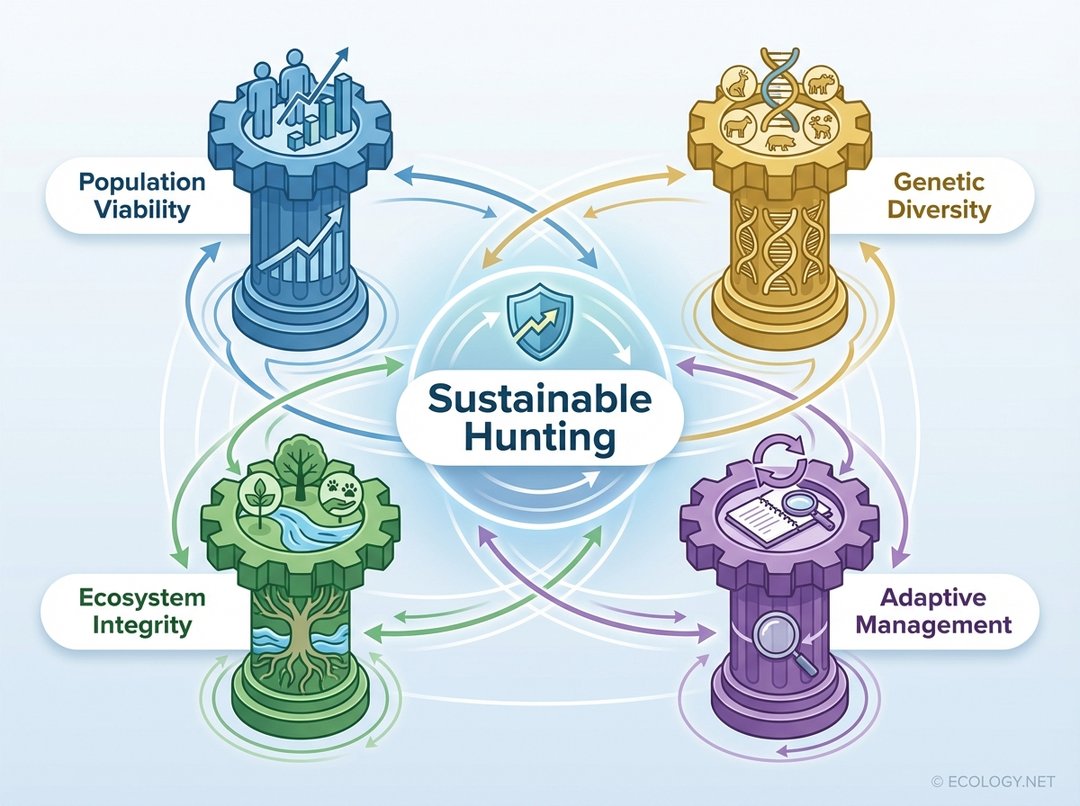
- Population Viability: This principle ensures that the harvested population remains robust enough to reproduce and sustain itself indefinitely. Managers assess birth rates, death rates, and migration patterns to determine how many animals can be harvested without jeopardizing the species’ future. For example, if a deer population is declining due to habitat loss, harvest limits would be significantly reduced or eliminated. Conversely, if a population is thriving and exceeding its habitat’s carrying capacity, a higher harvest might be permitted.
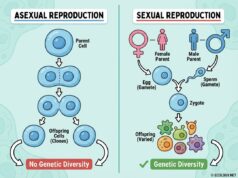
- Genetic Diversity: Maintaining a wide range of genetic traits within a population is crucial for its ability to adapt to environmental changes, diseases, and other stressors. Sustainable hunting practices often target specific age or sex classes to avoid inadvertently reducing genetic diversity. For instance, some regulations might encourage harvesting older males or females to allow younger, reproductively active individuals to contribute to the gene pool.
- Ecosystem Integrity: This pillar emphasizes that hunting must not negatively impact the broader ecosystem. This means considering the effects of harvesting on predator-prey relationships, vegetation, and other species within the habitat. For example, managing elk populations through hunting can prevent overgrazing in sensitive riparian areas, benefiting fish and bird species that rely on those habitats.
- Adaptive Management: Wildlife populations and ecosystems are dynamic. Adaptive management is a flexible, iterative process where management strategies are continually monitored, evaluated, and adjusted based on new scientific data and observed outcomes. If a harvest strategy is not achieving its conservation goals, it is modified. This constant learning and adjustment ensure that management remains responsive to changing ecological conditions.
The Scientific Process of Setting Harvest Limits
The question often arises: how do wildlife managers know how many animals can be sustainably harvested? The answer lies in rigorous scientific research and data analysis. It is a multi-step process that combines field observations, advanced modeling, and careful decision-making.
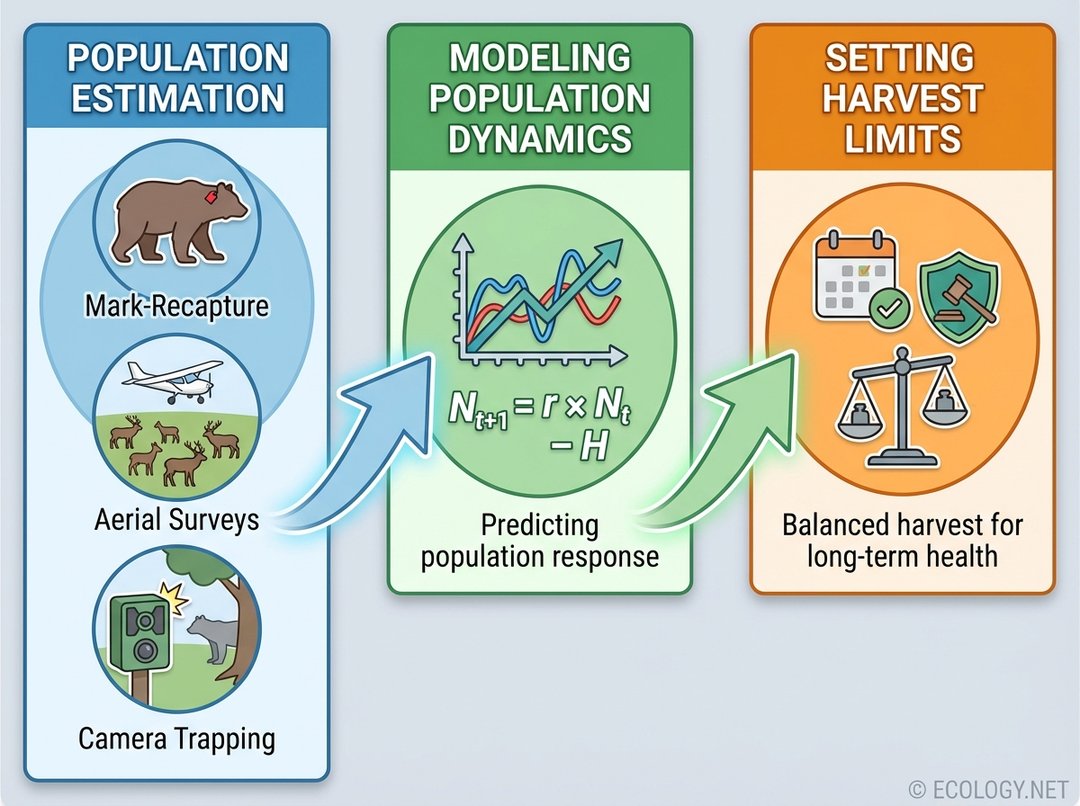
- Population Estimation: Before any harvest limits can be set, wildlife biologists must accurately estimate the size and structure of a target population. This involves various sophisticated techniques:
- Mark-Recapture: Animals are captured, marked (e.g., with ear tags or collars), released, and then recaptured later. The ratio of marked to unmarked animals in subsequent captures helps estimate the total population size.
- Aerial Surveys: For larger animals in open terrain, biologists conduct surveys from aircraft, counting individuals or groups to estimate population density.
- Camera Trapping: Strategically placed motion-activated cameras capture images of wildlife, providing data on species presence, abundance, and even individual identification for some species.
- Harvest Data Analysis: Information from previous hunting seasons, such as the number of animals harvested, their age, and sex, provides valuable insights into population trends.
- Modeling Population Dynamics: Once population data is collected, scientists use complex mathematical models to predict how the population will respond to different harvest scenarios. These models consider factors like birth rates, survival rates, age structure, environmental conditions, and potential impacts of disease or predation. They help forecast future population sizes under various management strategies.
- Setting Harvest Limits: Based on the population estimates and dynamic models, wildlife agencies establish specific harvest limits, seasons, and regulations. These limits are designed to achieve conservation goals, such as maintaining a stable population, reducing an overabundant one, or allowing a recovering population to grow. Regulations might include bag limits (how many animals a hunter can take), season lengths, specific hunting zones, and restrictions on the age or sex of harvested animals. These limits are often reviewed and adjusted annually through an adaptive management process.
Examples of Sustainable Hunting in Action
Across the globe, numerous success stories demonstrate the effectiveness of sustainable hunting as a conservation tool:
- White-tailed Deer in North America: Once nearly extirpated in many regions, white-tailed deer populations have rebounded dramatically thanks to habitat restoration and science-based hunting regulations. Hunters play a critical role in managing these populations, preventing overbrowsing and reducing vehicle collisions.
- Waterfowl Management: Ducks and geese are migratory species managed through international agreements. Biologists use extensive banding programs and aerial surveys to estimate populations across continents, setting harvest limits that ensure healthy breeding populations return each year. Hunter contributions through duck stamp purchases directly fund wetland conservation.
- African Wildlife Management: In some African nations, regulated hunting of species like elephants, lions, and rhinos generates significant revenue that funds anti-poaching efforts, community development, and habitat protection. When local communities benefit directly from wildlife, they become powerful allies in conservation.
- Wild Turkey Restoration: The wild turkey was once rare in many parts of North America. Through reintroduction programs, habitat improvements, and carefully managed hunting seasons, these birds have made a remarkable comeback, providing both ecological benefits and recreational opportunities.
Addressing Common Concerns and Misconceptions
It is natural for questions and ethical considerations to arise when discussing hunting. Sustainable hunting addresses many of these concerns by operating within a strict ethical and scientific framework:
- Ethical Harvesting: Responsible hunters adhere to strict ethical codes, emphasizing fair chase, minimizing suffering, and respecting wildlife. Regulations often dictate hunting methods to ensure humane practices.
- Not About Extermination: The goal of sustainable hunting is precisely the opposite of extermination. It is about ensuring the long-term survival and health of wildlife populations.
- Conservation Funding: Hunters are often among the most significant financial contributors to wildlife conservation through license fees, excise taxes on equipment (Pittman-Robertson Act in the U.S.), and direct donations to conservation organizations.
Conclusion: A Future Forged in Balance
Sustainable hunting is a complex, scientifically driven practice that stands as a testament to humanity’s capacity for responsible stewardship of the natural world. It is not a relic of the past, but a dynamic, evolving discipline that integrates ecological science, community engagement, and adaptive management to achieve tangible conservation outcomes.
By understanding its principles and the rigorous science behind its implementation, we can appreciate sustainable hunting not as a threat, but as a vital tool in the ongoing effort to protect biodiversity, maintain healthy ecosystems, and ensure that wildlife thrives for generations to come. It represents a commitment to balance, recognizing that thoughtful human interaction can indeed be a powerful force for conservation.