Imagine a world without the sun’s warmth, without the refreshing touch of water, or the very ground beneath our feet. These fundamental elements, often taken for granted, are the silent architects of every ecosystem on Earth. They are the non living forces that sculpt landscapes, dictate where life can thrive, and ultimately define the very fabric of our planet’s biodiversity. Welcome to the fascinating world of abiotic factors.
For too long, the spotlight in ecological discussions has often fallen on the charismatic creatures and lush vegetation that populate our world. While biotic factors, the living components of an ecosystem, are undeniably captivating, it is the abiotic factors that lay the groundwork, providing the stage upon which all life performs. Understanding these non living elements is not just an academic exercise; it is key to comprehending the intricate dance of life and the profound challenges facing our natural world today.
This article will embark on a journey from the foundational principles of abiotic factors to their complex interactions and critical role in shaping ecosystems, offering insights that will deepen your appreciation for the natural world.
The Unseen Architects: What Are Abiotic Factors?
At its core, an abiotic factor is any non living chemical or physical part of the environment that affects living organisms and the functioning of ecosystems. The term “abiotic” literally means “without life” (from the Greek “a” meaning “not” and “bios” meaning “life”). These are the environmental conditions that organisms must contend with, adapt to, or even exploit to survive and reproduce.
To truly grasp their significance, it is helpful to contrast them with their counterparts:
- Abiotic Factors: These are the non living components. Think of things like sunlight, temperature, water, soil, air, and pH. They are the physical and chemical conditions.
- Biotic Factors: These are the living or once living components. This includes plants, animals, fungi, bacteria, and even their waste products or remains. They are the biological interactions.
Every organism, from the smallest microbe to the largest whale, exists within a specific range of abiotic conditions. Step outside that range, and survival becomes difficult or impossible. This fundamental truth governs the distribution of species across the globe and drives the incredible diversity of adaptations we observe in nature.
The Big Players: Key Abiotic Factors and Their Influence
While the list of abiotic factors can be extensive, certain elements stand out as particularly influential. Let us explore some of the most critical:
- Temperature: The Universal RegulatorPerhaps the most pervasive abiotic factor, temperature dictates the rate of metabolic processes in organisms. Every species has an optimal temperature range for survival, growth, and reproduction. Extremes, both hot and cold, can be lethal.
- Examples:
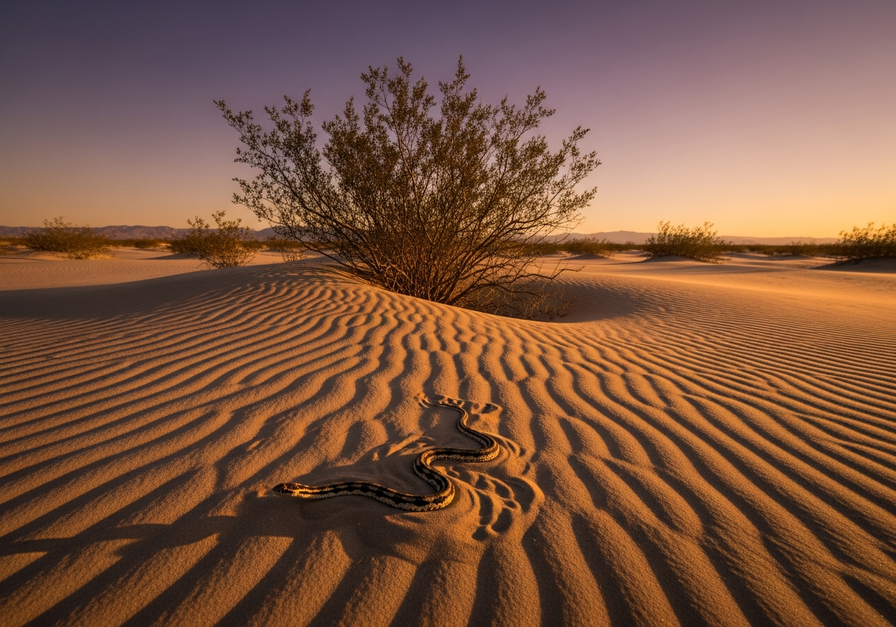
- Desert Lizards: Many desert reptiles are ectothermic, meaning their body temperature is regulated by external sources. They bask in the sun to warm up and seek shade or burrows to cool down, a behavioral adaptation to extreme temperature fluctuations.
- Polar Bears: Their thick fur, blubber, and small surface area to volume ratio are physiological adaptations to conserve heat in frigid Arctic environments.
- Plant Distribution: Cacti thrive in hot, arid regions, while conifers dominate colder, temperate forests, each adapted to specific thermal regimes.
- Examples:
- Water: The Essence of LifeWater is indispensable for all known life forms. Its availability, form (liquid, ice, vapor), and quality (salinity, pH) profoundly impact ecosystems. It acts as a solvent, a medium for transport, and a reactant in countless biochemical processes.
- Examples:
- Rainforests: Abundant rainfall supports lush vegetation and high biodiversity, with plants adapted to constant moisture.
- Deserts: Scarcity of water drives adaptations like succulent leaves in cacti, deep root systems in mesquite trees, and nocturnal activity in many desert animals to avoid water loss.
- Aquatic Environments: The salinity of water determines whether an organism can survive in freshwater, brackish water, or saltwater. Fish have evolved complex osmoregulation systems to cope with these differences.
- Examples:
- Sunlight: The Primary Energy SourceThe ultimate source of energy for almost all life on Earth, sunlight drives photosynthesis, the process by which plants convert light energy into chemical energy. Its intensity, duration, and spectral quality are crucial.
- Examples:
- Forest Canopies: Tall trees compete fiercely for sunlight, forming a dense canopy that shades the forest floor. Understory plants often have broad leaves to capture what little light filters through.
- Deep Sea: In the aphotic zone of the ocean, where sunlight cannot penetrate, life relies on chemosynthesis (using chemical energy) or consuming organic matter that drifts down from above.
- Photoperiodism: The length of daylight triggers seasonal behaviors in many organisms, such as flowering in plants, migration in birds, and hibernation in mammals.
- Examples:
- Soil: The Foundation for Terrestrial LifeMore than just dirt, soil is a complex mixture of mineral particles, organic matter, water, air, and living organisms. Its composition, texture, pH, and nutrient content are vital for plant growth and, by extension, for all terrestrial food webs.
- Examples:
- Clay Soil: Retains water well but can be poorly aerated. Favors plants tolerant of wet conditions.
- Sandy Soil: Drains quickly and is often nutrient poor. Supports drought tolerant plants.
- Nutrient Rich Loam: Ideal for agriculture, supporting a wide variety of crops due to its balanced water retention and aeration.
- Acidic Soils: Found in coniferous forests or bogs, favor plants like blueberries and rhododendrons, which are adapted to low pH.
- Examples:
- Wind: The Unseen ForceOften overlooked, wind plays a significant role in shaping landscapes and influencing organisms. It can cause erosion, disperse seeds and pollen, affect temperature and moisture levels, and even physically shape plants.
- Examples:
- Flagging Trees: Trees on exposed coastlines or mountain ridges often have branches growing predominantly on one side, sculpted by persistent strong winds.
- Seed Dispersal: Dandelion seeds, maple samaras, and many other plant seeds rely on wind for dispersal, allowing them to colonize new areas.
- Wind Chill: Wind can exacerbate the effects of cold temperatures by stripping away the insulating layer of warm air around an organism.
- Examples:
- pH: The Measure of AcidityThe pH level, a measure of acidity or alkalinity, is critical in both aquatic and terrestrial environments. It affects nutrient availability in soil and water, and the physiological processes of organisms.
- Examples:
- Ocean Acidification: Increased atmospheric carbon dioxide dissolves in oceans, lowering their pH and threatening marine organisms, especially those with calcium carbonate shells like corals and shellfish.
- Soil pH: Blueberries thrive in acidic soil (pH 4.5-5.5), while lavender prefers alkaline soil (pH 6.5-8.0). Farmers often adjust soil pH to optimize crop yields.
- Acid Rain: Pollution can lead to acid rain, which lowers the pH of lakes and soils, harming aquatic life and forests.
- Examples:
- Salinity: The Salt ContentThe concentration of salts in water or soil is a crucial abiotic factor, particularly in aquatic and coastal environments. Organisms must regulate their internal salt balance to survive.
- Examples:
- Mangrove Trees: These coastal trees have specialized root systems and glands to excrete excess salt, allowing them to thrive in saline intertidal zones.
- Salmon: Anadromous fish like salmon migrate between freshwater and saltwater, undergoing remarkable physiological changes to adapt to different salinities.
- Salt Marshes: These highly productive ecosystems are dominated by salt tolerant grasses and other plants, providing critical habitats for many species.
- Examples:
- Topography: The Lay of the LandThe physical features of the land, including elevation, slope, and aspect (the direction a slope faces), significantly influence other abiotic factors and, consequently, life.
- Examples:
- Rain Shadows: Mountains create rain shadows. As moist air rises over one side of a mountain, it cools and releases precipitation, leaving the leeward side dry and arid.
- Elevation: Temperature decreases and atmospheric pressure drops with increasing elevation, leading to distinct vegetation zones on mountains, from forests at lower altitudes to alpine meadows and tundra at higher elevations.
- Aspect: South facing slopes (in the Northern Hemisphere) receive more direct sunlight, making them warmer and drier than north facing slopes, leading to different plant communities.
- Examples:
Beyond the Basics: Complex Interactions and Ecosystem Dynamics
While it is useful to examine abiotic factors individually, their true power lies in their intricate interactions. No single factor acts in isolation; they are constantly influencing and being influenced by one another, creating a dynamic and ever changing environment.
The environment is not a collection of independent variables; it is a symphony where every instrument plays a part in the overall composition.
Interconnectedness: Feedback Loops and Synergies
Consider how temperature and water availability are intertwined. High temperatures increase evaporation, leading to drier conditions. This modification of abiotic factors then allows for the establishment of grasses, then shrubs, and eventually trees, each stage building upon the abiotic changes wrought by the previous.
Abiotic Factors and Species Distribution
| Biome Type | Key Abiotic Factors | Example Organisms |
| Tropical Rainforest | High temperature, high precipitation, high humidity | Orchids, monkeys, jaguars |
| Desert | High temperature, very low precipitation, high solar radiation | Cacti, camels, scorpions |
| Tundra | Low temperature, low precipitation, permafrost, strong winds | Mosses, lichens, caribou, arctic foxes |
| Temperate Forest | Moderate temperature, moderate to high precipitation, distinct seasons | Deciduous trees, deer, bears |
The Human Element: Abiotic Factors in a Changing World
Humans, despite being biotic organisms, exert immense influence over abiotic factors, often with far reaching consequences. Our activities are altering the fundamental conditions that have shaped life on Earth for millennia.
Climate Change: A Global Abiotic Shift
The most prominent example is climate change. The increased emission of greenhouse gases from human activities is altering the Earth’s atmospheric composition, leading to a rise in global temperatures. This single abiotic shift triggers a cascade of other changes:
Monitoring and Mitigation: Our Role
Ecologists and environmental scientists continuously monitor abiotic factors using a range of tools and techniques. By mitigating our impact on these fundamental environmental conditions, we can help preserve the delicate balance of ecosystems and ensure a healthier planet for all life.
Conclusion: The Enduring Power of the Non Living
The world around us is a testament to the enduring power of abiotic factors. They remind us that every living thing is inextricably linked to its physical and chemical surroundings. By recognizing and respecting these fundamental environmental architects, we gain a clearer understanding of our place in the natural world and our responsibility to protect its intricate balance. The next time you feel the sun on your skin, the wind in your hair, or the earth beneath your feet, remember the profound story of abiotic factors unfolding all around you.