The Silent Bloom: Understanding Eutrophication and Its Impact on Our Waters
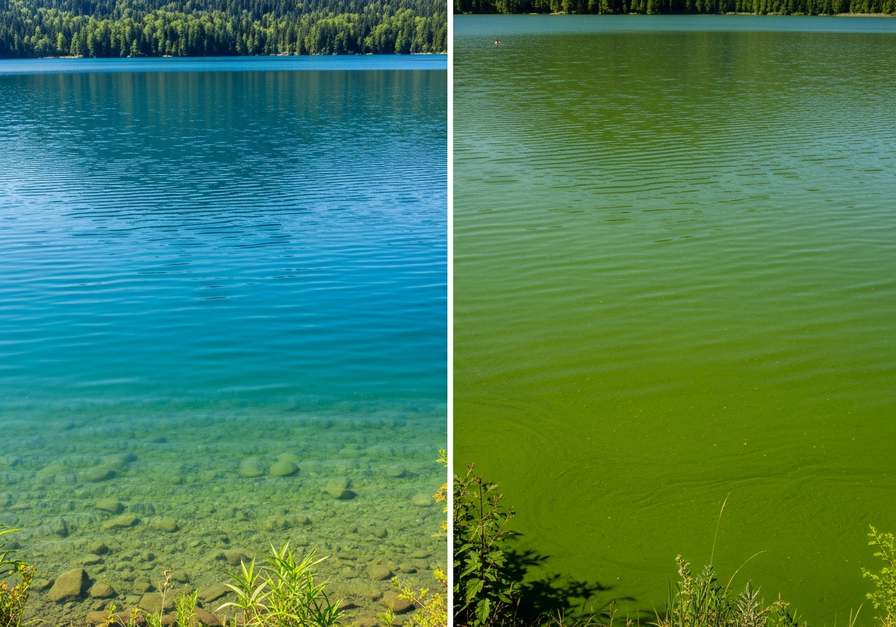
Imagine a serene lake, its waters crystal clear, teeming with fish, and surrounded by lush greenery. Now, picture that same lake, but its surface is choked by a thick, vibrant green slime, the water beneath murky and lifeless. This dramatic transformation is not the stuff of science fiction; it is a very real and increasingly common phenomenon known as eutrophication. Often a slow, insidious process, eutrophication is a critical environmental challenge affecting aquatic ecosystems worldwide, turning vibrant habitats into ecological dead zones.
What Exactly is Eutrophication?
At its core, eutrophication is the excessive enrichment of water bodies with nutrients, primarily nitrogen and phosphorus. While these nutrients are essential for life and naturally present in aquatic environments, an overabundance acts like an uncontrolled fertilizer, triggering an explosive growth of algae and aquatic plants. This initial burst of life, often appearing as a beautiful green carpet on the water’s surface, masks a deeper, more sinister process that ultimately suffocates the ecosystem.
Think of it as overfeeding a pet. A little food is good, but too much leads to serious health problems. Similarly, when lakes, rivers, and coastal waters receive an overload of nutrients, their delicate balance is thrown into disarray, leading to a cascade of negative effects.
The Sources: Where Do These Excess Nutrients Come From?
While some nutrient input occurs naturally through processes like erosion and atmospheric deposition, human activities are overwhelmingly responsible for accelerating eutrophication to alarming levels. These anthropogenic sources are diverse and widespread:
- Agricultural Runoff: This is arguably the largest contributor. Fertilizers applied to crops, rich in nitrogen and phosphorus, are easily washed from fields by rain into nearby streams, rivers, and eventually larger water bodies. Livestock waste also contributes significantly.
- Wastewater Discharge: Untreated or inadequately treated sewage from homes, businesses, and municipalities contains high levels of phosphorus from detergents and nitrogen from human waste.
- Industrial Effluents: Some industrial processes release nutrient-rich wastewater if not properly managed.
- Urban Runoff: Stormwater runoff from cities carries pollutants like pet waste, lawn fertilizers, and eroded soil, all of which contain nutrients, directly into waterways.
- Atmospheric Deposition: Emissions from burning fossil fuels release nitrogen oxides into the atmosphere, which can then fall back to earth as acid rain or dry particles, contributing to nutrient loading in water bodies.
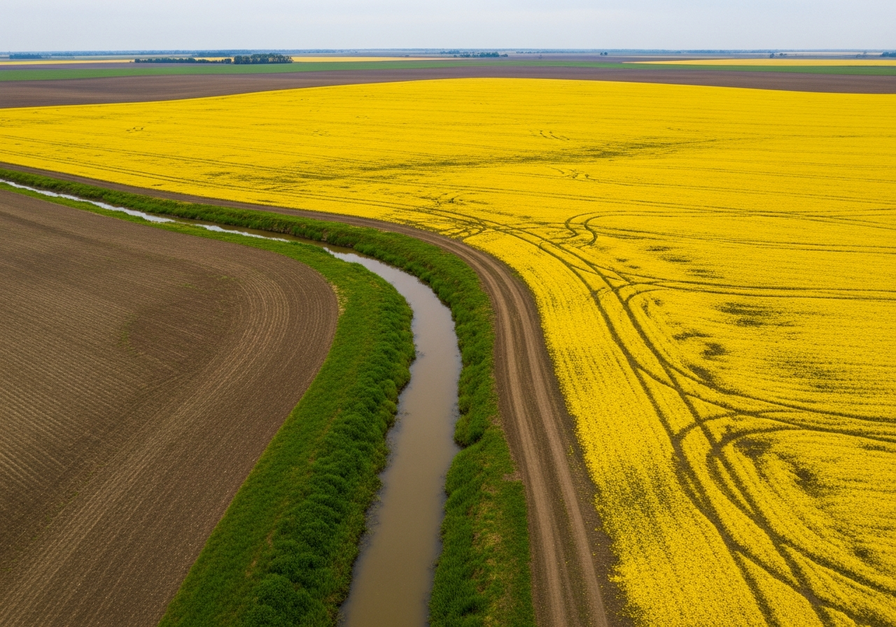
The image above vividly illustrates how agricultural practices can directly contribute to nutrient pollution. The visible fertilizer on the fields, when met with rainfall, can easily become runoff, carrying its nutrient load into the adjacent stream. This direct pathway from land to water is a primary mechanism by which human activities fuel eutrophication.
The Vicious Cycle: How Eutrophication Unfolds
Once excess nutrients enter an aquatic ecosystem, a destructive chain of events is set in motion:
- Algal Bloom: The abundance of nitrogen and phosphorus acts as a super fertilizer, causing microscopic algae and other aquatic plants to multiply rapidly. This creates dense mats or “blooms” on the water’s surface, often turning the water green, brown, or even red.
- Light Blockage: These dense algal blooms block sunlight from reaching plants deeper in the water. Submerged aquatic vegetation, crucial for oxygen production and as food and habitat for many species, begins to die off.
- Decomposition and Oxygen Depletion: Eventually, the massive algal bloom itself dies. As bacteria and other decomposers break down this vast amount of organic matter, they consume large quantities of dissolved oxygen from the water.
- Hypoxia and Anoxia: The depletion of oxygen leads to conditions known as hypoxia (low oxygen) or even anoxia (no oxygen). Most aquatic organisms, including fish, crabs, and shellfish, cannot survive in these oxygen-starved environments. They either flee the area or perish.
- Formation of “Dead Zones”: Areas with persistent hypoxia or anoxia become “dead zones,” devoid of most complex life. The bottom sediments can also release more nutrients under these conditions, perpetuating the cycle.
Consequences: Beyond the Green Scum and Towards Ecological Collapse
The impacts of eutrophication extend far beyond an unsightly green surface. They ripple through the entire ecosystem and affect human societies:
- Loss of Biodiversity: Fish kills are a common and tragic consequence. Species that cannot tolerate low oxygen levels disappear, leading to a drastic reduction in the variety of life in the affected water body. This includes commercially important fish and shellfish.
- Harmful Algal Blooms (HABs): Some algal species that thrive in nutrient-rich waters produce potent toxins. These toxins can be harmful or even fatal to fish, birds, mammals, and humans who come into contact with or consume contaminated water or seafood. Examples include red tides and cyanobacteria (blue-green algae) blooms.
- Impact on Fisheries and Tourism: Dead zones devastate fishing industries, leading to economic losses for communities reliant on healthy aquatic resources. Foul odors, discolored water, and health risks associated with HABs deter tourists, impacting recreational activities like swimming, boating, and diving.
- Drinking Water Quality Issues: Algal blooms can clog water treatment filters and produce compounds that give drinking water an unpleasant taste and odor. Some toxins from HABs are difficult to remove and can pose serious health risks if ingested.
- Habitat Degradation: The loss of submerged vegetation due to light blockage removes critical nursery grounds and food sources for many aquatic species, further disrupting the food web.
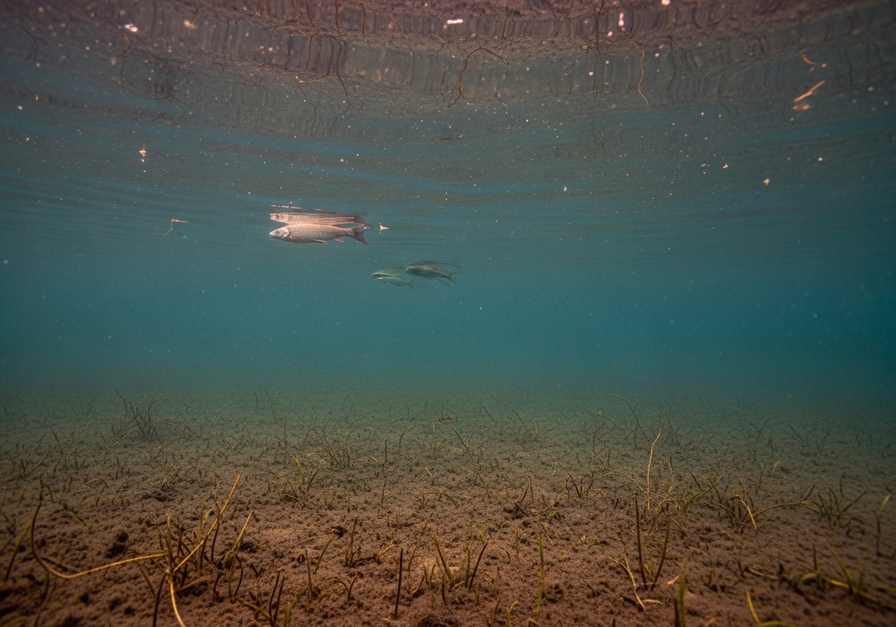
The image above provides a stark visual of a “dead zone,” a grim consequence of severe eutrophication. The lifeless bottom, sparse dead vegetation, and deceased fish in the murky water powerfully convey the ecological collapse that occurs when oxygen levels plummet. This is the ultimate outcome of unchecked nutrient pollution.
Solutions and Prevention: Turning the Tide on Eutrophication
Addressing eutrophication requires a multi-faceted approach, focusing on reducing nutrient inputs and restoring affected ecosystems. It is a complex challenge, but one that is achievable with concerted effort:
Reducing Nutrient Input (Source Control)
The most effective long-term strategy is to prevent excess nutrients from entering water bodies in the first place.
- Improved Agricultural Practices:
- Precision Farming: Applying fertilizers more efficiently, only when and where needed, reduces runoff.
- Cover Crops: Planting non-cash crops during off-seasons helps absorb excess nutrients in the soil and prevents erosion.
- Riparian Buffers: Establishing vegetated buffer zones along waterways filters out nutrients before they reach the water.
- Manure Management: Proper storage and application of animal waste prevent nutrient leaching.
- Better Wastewater Treatment: Upgrading sewage treatment plants to include advanced nutrient removal technologies (tertiary treatment) can significantly reduce phosphorus and nitrogen discharge.
- Stormwater Management: Implementing green infrastructure in urban areas, such as rain gardens, permeable pavements, and constructed wetlands, helps filter stormwater runoff before it enters natural waterways.
- Industrial Regulations: Stricter enforcement of regulations on industrial discharges to ensure nutrient removal.
- Public Awareness and Action: Educating homeowners about responsible lawn care (e.g., reducing fertilizer use, proper disposal of pet waste) and promoting phosphate-free detergents.
Restoration Efforts
For already degraded water bodies, restoration efforts can help reverse some of the damage:
- Dredging: Removing nutrient-rich sediments from the bottom of lakes can reduce the internal nutrient load.
- Aeration: Artificially introducing oxygen into hypoxic waters can temporarily alleviate oxygen depletion, though this is often a short-term solution.
- Biomanipulation: Introducing or removing certain species (e.g., increasing populations of zooplankton that graze on algae, or removing bottom-feeding fish that stir up sediments) to restore ecological balance.
- Chemical Treatment: In some cases, chemicals can be used to bind phosphorus in the water or sediments, making it unavailable for algal growth. This is typically a last resort due to potential side effects.
A Call to Action for Healthier Waters
Eutrophication is a stark reminder of the interconnectedness of our actions and the health of our planet. From the food we eat to the products we use, our daily choices contribute to the nutrient load in our aquatic ecosystems. Understanding this complex process is the first step towards mitigating its effects. By supporting sustainable agricultural practices, advocating for improved wastewater infrastructure, and making conscious choices in our own lives, we can all play a part in preventing the silent bloom and ensuring that our lakes, rivers, and oceans remain vibrant, healthy, and full of life for generations to come.