
Understanding Ecosystem based Management: A Holistic Approach to a Healthier Planet
The intricate web of life on Earth is a delicate balance, constantly influenced by natural processes and human activities. For decades, traditional resource management often focused on individual components, such as a single fish stock or a specific forest area, without fully considering the broader ecological connections. This approach, while sometimes effective in isolation, frequently led to unintended consequences for the wider environment. Enter Ecosystem based management, a transformative framework that recognizes the interconnectedness of nature and human society, striving for a more sustainable and resilient future.
Ecosystem based management, often abbreviated as EBM, is a comprehensive strategy that moves beyond managing individual species or sectors to consider the entire ecosystem, including humans, as an integrated whole. It is about understanding how different parts of an ecosystem interact and making decisions that promote the long term health and productivity of the entire system, rather than just maximizing short term gains from one component.
The Core Principles Guiding Ecosystem based Management
At its heart, EBM is built upon several fundamental principles that differentiate it from conventional management practices:
- Holistic Perspective: EBM considers the full range of interactions within an ecosystem, including physical, biological, and human components. It looks at the big picture, recognizing that changes in one part of the system can ripple throughout.
- Ecological Connectivity: This principle emphasizes the importance of maintaining natural connections and flows within and between ecosystems. Rivers connect mountains to oceans, forests provide habitat corridors, and these links are vital for species movement and ecosystem function.
- Adaptive Management: EBM acknowledges that ecosystems are complex and dynamic, and our understanding is always evolving. It promotes a learning by doing approach, where management actions are treated as experiments, monitored for their effects, and adjusted as new information becomes available.
- Stakeholder Involvement: Recognizing that people are an integral part of ecosystems, EBM actively engages diverse stakeholders, including local communities, indigenous groups, industries, and scientists, in the decision making process. This fosters shared ownership and more effective solutions.
- Scientific Foundation: EBM relies on the best available scientific information and traditional ecological knowledge to inform management decisions. It encourages research and monitoring to track ecosystem health and the effectiveness of management interventions.
- Sustainability: The overarching goal is to ensure the long term health, productivity, and resilience of ecosystems, supporting both ecological integrity and human well being for current and future generations.
Why Ecosystem based Management Matters: Benefits and Challenges
The shift towards EBM offers significant advantages over traditional, single sector management. By considering the entire ecosystem, it can lead to:
- Increased Resilience: Healthy, connected ecosystems are better able to withstand and recover from disturbances like climate change, pollution, or natural disasters.
- Sustainable Resource Use: EBM helps ensure that resources like fish, timber, and fresh water are managed in a way that allows them to replenish, providing benefits indefinitely.
- Reduced Conflict: By involving all stakeholders and considering multiple objectives, EBM can help mitigate conflicts between different user groups and promote more equitable outcomes.
- Improved Human Well being: Healthy ecosystems provide essential services such as clean air and water, food, recreation, and cultural values, all of which contribute to human health and prosperity.
However, implementing EBM is not without its challenges. It often requires:
- Complexity: Understanding and managing entire ecosystems is inherently complex, requiring vast amounts of data and sophisticated modeling.
- Governance and Collaboration: EBM often crosses administrative boundaries and requires unprecedented levels of cooperation among different agencies, jurisdictions, and stakeholder groups.
- Data and Monitoring: Effective EBM demands robust monitoring programs to track ecosystem health and the impacts of management actions, which can be resource intensive.
- Long Term Commitment: The benefits of EBM may not be immediately apparent, requiring sustained commitment and investment over many years.
Ecosystem based Management in Action: Real World Examples
To truly grasp the power of EBM, it is helpful to look at how these principles are applied in diverse environments around the globe.
Restoring the Flow in the Everglades
One of the most ambitious examples of EBM is the ongoing restoration of the Florida Everglades. Historically, this vast wetland ecosystem was drained and fragmented for agriculture and urban development, disrupting its natural water flow and devastating wildlife populations. The Comprehensive Everglades Restoration Plan (CERP) is a multi decade effort to reverse this damage.

This initiative exemplifies the EBM principle of restoring natural water flow and connectivity. By re establishing the sheet flow of water across the landscape, removing barriers, and creating new wetlands, the project aims to restore the ecological health of the entire Everglades system. This benefits not only iconic species like the Florida panther and wading birds but also ensures a sustainable water supply for local communities and protects against storm surges, demonstrating how ecosystem restoration benefits both wildlife and human populations.
Reconnecting Salmon Watersheds
In the Pacific Northwest, EBM is crucial for the survival of salmon populations, which are foundational to both ecological health and cultural heritage. Salmon require connected river systems to migrate from the ocean to their freshwater spawning grounds. Decades of dam construction, logging, and development have fragmented these vital pathways.
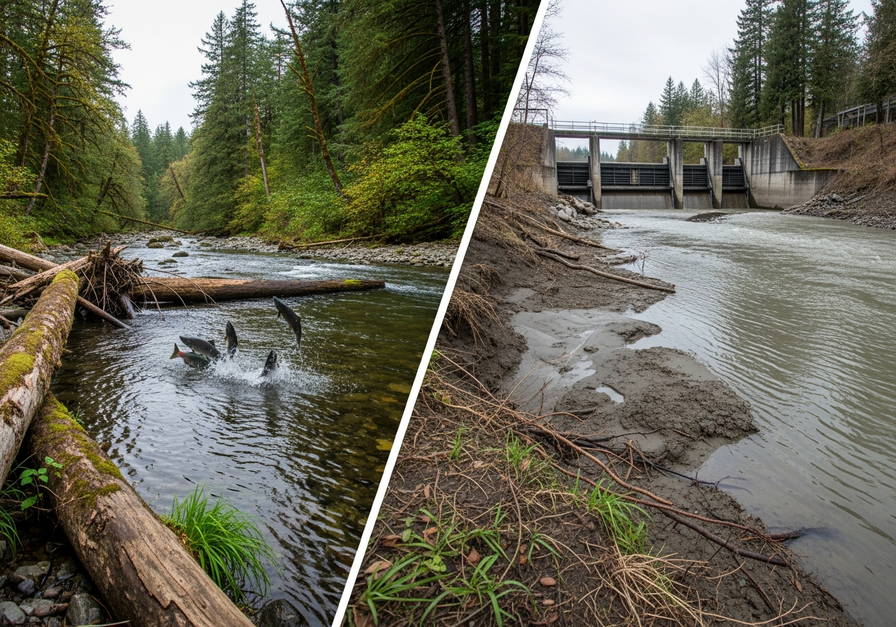
EBM in these watersheds focuses on maintaining and restoring connectivity. This includes strategic dam removal, which allows salmon to access historical spawning grounds, and riparian restoration, which involves planting native trees along riverbanks to stabilize soil, cool water temperatures, and provide crucial habitat. By considering the entire watershed from headwaters to the ocean, managers can implement integrated strategies that benefit salmon at every stage of their life cycle, highlighting the profound effects of infrastructure removal on entire ecosystems.
Integrated Management of Coral Reefs
Coral reefs are biodiversity hotspots, but they face numerous threats, including overfishing, pollution, and climate change. Managing these complex marine ecosystems requires a holistic approach that addresses multiple stressors simultaneously.

EBM for coral reefs involves integrating sustainable fishing practices with broader reef conservation efforts. This means establishing marine protected areas, regulating fishing gear to minimize bycatch and habitat damage, and working with local communities to develop alternative livelihoods. It also includes managing land based pollution that flows into coastal waters and monitoring the impacts of climate change. By addressing broader threats like overfishing and pollution through integrated strategies, EBM aims to ensure the long term health of these vital marine ecosystems and the communities that depend on them.
Key Components of an EBM Framework
Implementing EBM effectively requires a structured approach. While specific steps may vary depending on the ecosystem and context, a general framework includes:
- Defining the Ecosystem: Clearly delineate the geographic and ecological boundaries of the system to be managed. This might be a watershed, a coastal zone, or a marine ecoregion.
- Identifying Key Ecological Components and Processes: Understand the critical species, habitats, and ecological functions that sustain the ecosystem.
- Setting Clear Goals and Objectives: Establish specific, measurable, achievable, relevant, and time bound goals for the ecosystem’s health and human well being. These often involve trade offs and require stakeholder consensus.
- Developing Management Strategies: Design a suite of actions that address the identified threats and work towards the established goals, considering multiple sectors and cumulative impacts.
- Monitoring and Assessment: Implement robust monitoring programs to track key indicators of ecosystem health and the effectiveness of management actions. This data is crucial for adaptive learning.
- Adaptive Learning and Adjustment: Regularly review monitoring data and scientific findings. Be prepared to modify management strategies based on new information and changing conditions.
- Establishing Effective Governance and Collaboration: Create institutional arrangements that facilitate cooperation among all relevant agencies, stakeholders, and knowledge holders. This often involves cross sectoral planning and decision making bodies.
The Future of Ecosystem based Management
As global environmental challenges intensify, from climate change to biodiversity loss, the need for integrated, holistic management approaches like EBM becomes ever more critical. It represents a paradigm shift, moving away from fragmented problem solving towards a more comprehensive and forward thinking stewardship of our planet.
Ecosystem based management is not a static blueprint but a dynamic process that evolves with our understanding of ecosystems and the needs of human societies. Its success hinges on continued scientific research, robust monitoring, genuine stakeholder collaboration, and a long term commitment to the health of the natural world. By embracing EBM, we can foster more resilient ecosystems, support sustainable livelihoods, and ultimately build a healthier, more harmonious relationship between humanity and nature.