The Unseen Architects: How Storm Disturbances Shape Our World
The roar of a hurricane, the swirling fury of a tornado, or the relentless battering of coastal waves often evoke images of destruction. Yet, beneath the immediate chaos, these powerful storm disturbances are not merely agents of demolition. They are, in fact, profound architects, constantly reshaping and rejuvenating Earth’s diverse ecosystems. Understanding storm disturbance is key to appreciating the dynamic, ever-changing nature of our planet’s living systems.
What Exactly is a Storm Disturbance?
In ecological terms, a disturbance is any relatively discrete event in time that disrupts an ecosystem, community, or population structure and changes resources, substrate availability, or the physical environment. Storm disturbances are a specific category of these events, driven by atmospheric forces. They range from localized, intense events like tornadoes to widespread, powerful phenomena such as hurricanes or blizzards.
The immediate impacts are often visible and dramatic:
- Physical Damage: Trees are felled, branches are broken, and structures are altered.
- Habitat Alteration: Entire landscapes can be transformed, creating new open spaces or burying existing features.
- Resource Redistribution: Nutrients, sediments, and organic matter can be moved across vast distances.
- Population Shifts: Some species may be decimated, while others find new opportunities in the altered environment.
The Many Faces of Storm Disturbance
Different types of storms exert unique pressures and sculpt distinct ecological responses.
Hurricanes and Tropical Cyclones: Coastal Reshapers
These colossal storms bring a devastating combination of high winds, torrential rain, and storm surge. Their impact is particularly pronounced in coastal and marine environments, where they can dramatically alter shorelines, coral reefs, and vast stretches of coastal forests.
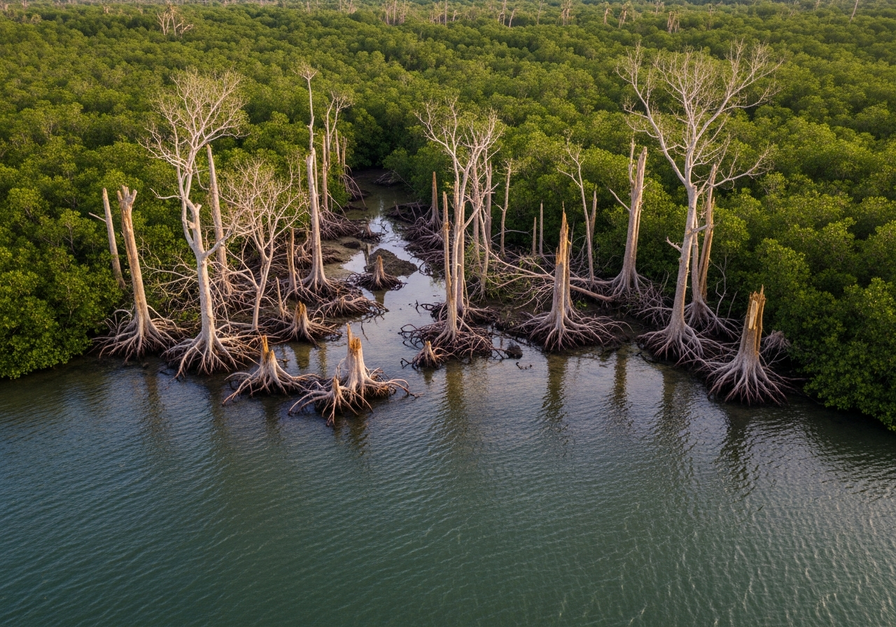
Consider the resilient mangrove forests, vital nurseries for marine life and natural barriers against coastal erosion. While a hurricane can partially uproot mangrove stumps and carve new channels through their dense canopy, these events are often integral to their long-term health. The opening of the canopy allows sunlight to reach the forest floor, stimulating the growth of new seedlings and maintaining the diversity of mangrove species. The wind-scoured trunks and exposed roots are testaments to the storm’s power, yet also part of a natural cycle of renewal.
Tornadoes: Intense, Localized Impact
Tornadoes, characterized by their violently rotating columns of air, deliver incredibly intense but highly localized damage. Unlike hurricanes that affect broad regions, a tornado’s path can be a narrow swath of complete devastation cutting through an otherwise intact landscape.
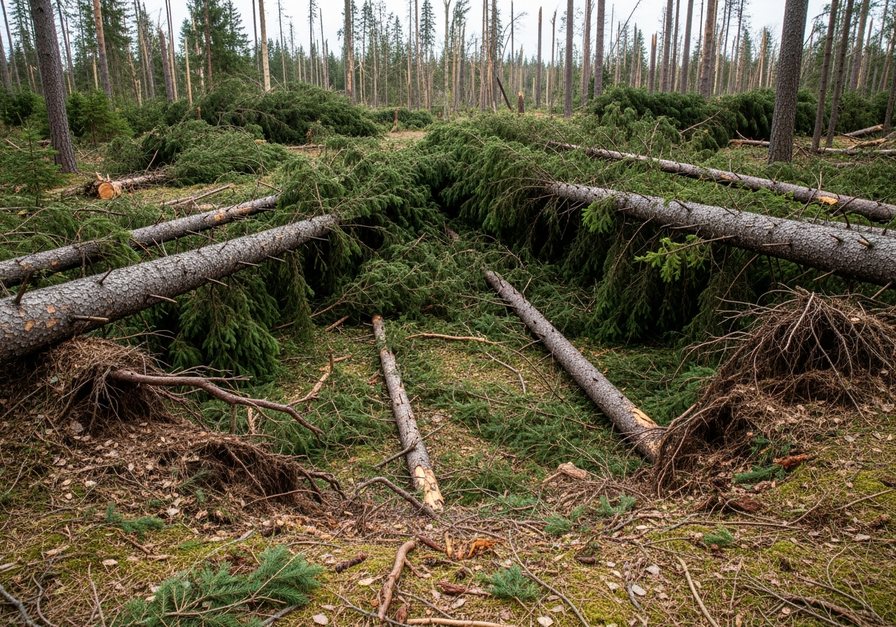
In boreal forests, for instance, a tornado can create a wide, clear gap in the canopy, felling mature spruce and fir trees. This sudden influx of light and space on the forest floor triggers a cascade of ecological changes. Pioneer species, which thrive in high-light conditions, can rapidly colonize the disturbed area. The fallen trees provide new habitats for insects and fungi, and their decomposition enriches the soil. This process of gap creation and subsequent regeneration is a fundamental driver of biodiversity and forest structure in many terrestrial ecosystems.
Coastal Storms and Nor’easters: Dynamic Dune Sculptors
Beyond the dramatic hurricanes, less intense but frequent coastal storms, such as Nor’easters in North America, play a continuous role in shaping dynamic environments like sand dunes and barrier islands. These storms bring strong winds and powerful waves that constantly rework the coastline.
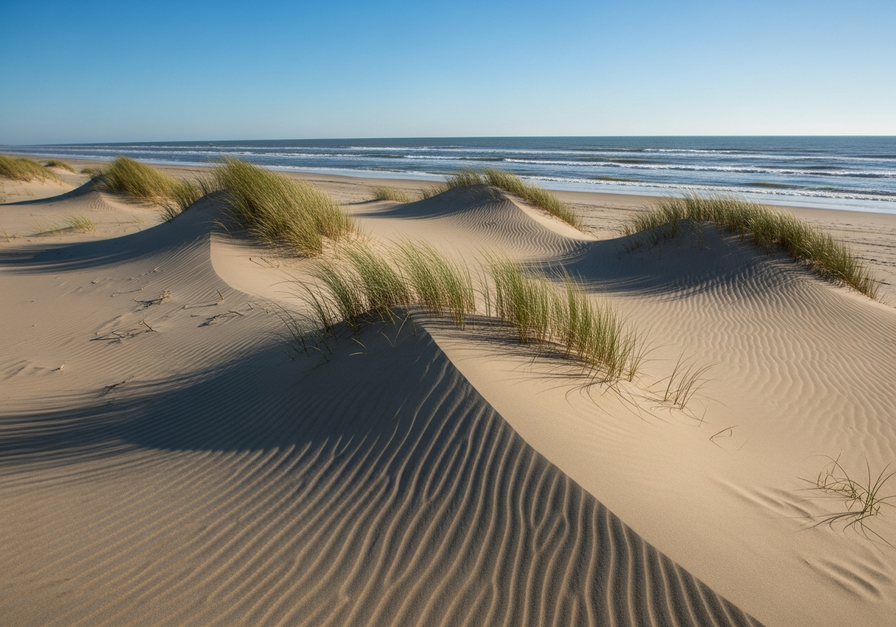
Coastal dunes are not static features but rather living landscapes in constant flux. Storm winds sculpt their surfaces, creating smooth, rippled patterns and sharp, asymmetric ridges. The powerful waves redistribute sand, sometimes eroding dunes and at other times building them up. Dune grasses, adapted to these harsh conditions, are bent by the strong winds, their extensive root systems helping to stabilize the sand. This dynamic interaction between wind, sand, and vegetation is crucial for maintaining the health and resilience of coastal ecosystems, preventing them from becoming overgrown and stagnant.
Ecological Impacts: Beyond Destruction, Towards Renewal
The concept of storm disturbance moves beyond simple destruction to embrace the complex ways ecosystems respond and adapt.
Succession and Regeneration: The Cycle of Life
One of the most fundamental ecological principles illustrated by storm disturbance is ecological succession. After a major storm, the damaged area often undergoes a predictable series of changes as different plant and animal communities colonize and replace one another over time. For example, a clear-cut forest patch might first be colonized by fast-growing weeds and grasses, followed by shrubs, and eventually by young trees, slowly returning to a mature forest state.
Biodiversity Maintenance: The Intermediate Disturbance Hypothesis
The intermediate disturbance hypothesis posits that local species diversity is maximized when ecological disturbances are not too rare and not too frequent.
If disturbances are too rare, a few dominant species might outcompete others, leading to lower diversity. If disturbances are too frequent or intense, only a few highly resilient species can survive, also leading to lower diversity. Storms, when occurring at an intermediate frequency and intensity, can create a mosaic of habitats at different stages of recovery, preventing competitive exclusion and fostering a greater variety of species.
- Patch Dynamics: Storms create “patches” of disturbance within a larger, undisturbed landscape. This patchwork of different ages and structures provides diverse niches for a wider array of species.
- Resource Availability: Disturbances can open up access to resources like sunlight, water, and nutrients that were previously monopolized by dominant species.
Nutrient Cycling and Energy Flow
Storms can significantly impact the cycling of nutrients within an ecosystem. For example, the decomposition of fallen trees after a tornado releases stored nutrients back into the soil, making them available for new growth. Sediment deposition from storm surges can introduce new nutrients to coastal wetlands. While some nutrients may be lost through runoff, the overall effect is often a redistribution that fuels subsequent regeneration.
Species Adaptation and Evolution
Over evolutionary timescales, many species have developed remarkable adaptations to cope with or even benefit from storm disturbances.
- Seed Banks: Some plants produce seeds that can lie dormant in the soil for years, only germinating when a disturbance creates open, sunny conditions.
- Rapid Colonizers: Certain species are “pioneer” species, capable of quickly colonizing disturbed areas and growing rapidly.
- Structural Resilience: Trees in storm-prone areas may develop deeper root systems or more flexible trunks to withstand high winds.
- Reproductive Strategies: Some organisms time their reproduction to take advantage of post-storm resource availability.
Storms as Architects of Specific Ecosystems
The role of storms is particularly evident in certain ecosystems that have co-evolved with these powerful forces.
Mangroves: Guardians of the Coast
As discussed, mangroves are not just victims of hurricanes; they are intrinsically linked to them. The periodic disturbance helps maintain the open structure necessary for light penetration and seedling establishment, preventing the forest from becoming a monoculture. The resilience of mangroves is a testament to their long history of adapting to storm events.
Boreal Forests: A Story of Gaps and Fire
While fire is a more dominant disturbance in many boreal forests, tornadoes and severe windstorms also play a crucial role. They create gaps that initiate successional pathways, leading to a diverse age structure within the forest. These gaps can also influence fire regimes by altering fuel loads and wind patterns.
Coastal Dunes: A Dance with the Ocean
Coastal dunes are classic examples of disturbance-dependent ecosystems. Without the constant reshaping by wind and waves, they would lose their characteristic form and ecological function. The dynamic nature of dunes, maintained by storms, provides critical habitat for specialized plants and animals that thrive in these shifting sands.
Human Interaction and Management: Navigating a Dynamic World
Human activities can profoundly influence how ecosystems respond to storm disturbances.
- Increased Vulnerability: Coastal development, deforestation, and wetland destruction can reduce natural buffers, making ecosystems more vulnerable to storm impacts and slowing recovery.
- Altered Regimes: Climate change is altering the frequency and intensity of storms in many regions, posing new challenges for ecosystems and human communities alike.
- Conservation Implications: Effective conservation strategies must acknowledge and, where appropriate, facilitate natural disturbance regimes. This might involve allowing natural processes to unfold or even mimicking natural disturbances through controlled interventions.
Understanding the ecological role of storm disturbances is crucial for sustainable land management and for building more resilient communities in the face of a changing climate. It shifts our perspective from viewing storms solely as destructive forces to recognizing them as powerful, albeit sometimes harsh, agents of ecological renewal and diversity.
Conclusion: Embracing the Dynamic Earth
Storm disturbances are a fundamental, often vital, component of Earth’s ecological machinery. From the churning waters of a hurricane-battered coast to the wind-swept clearings of a boreal forest, these events are not just about destruction; they are about transformation, renewal, and the intricate dance of life and resilience. By appreciating the ecological significance of storms, we gain a deeper understanding of the dynamic processes that shape our planet and the incredible adaptability of its living systems. The next time a storm rages, remember that it is not just a force of nature, but also an unseen architect, sculpting the future of our world.