The Rhythms of Nature: Understanding Disturbance Regimes
Imagine a forest that has stood for centuries, a seemingly unchanging bastion of life. Then, a wildfire sweeps through, transforming the landscape in a matter of days. Or consider a vibrant coral reef suddenly battered by a powerful hurricane. These dramatic events, often perceived as destructive, are in fact integral to the health and evolution of ecosystems. They are known as disturbances, and their recurring patterns form what ecologists call a “disturbance regime.”
What is a Disturbance?
In ecology, a disturbance is any relatively discrete event in time that disrupts an ecosystem, community, or population structure and changes resources, substrate availability, or the physical environment. Disturbances can range from small, localized events like a single tree falling in a forest, creating a gap in the canopy, to massive, landscape-altering phenomena such as volcanic eruptions or widespread insect outbreaks. The key is that they cause a significant, often sudden, shift from the existing conditions.
Defining a Disturbance Regime
A disturbance regime is not just a single event, but rather the characteristic pattern of disturbances that occur over a long period in a particular ecosystem. It describes the collective properties of disturbances, providing a comprehensive picture of how these events influence an area. Understanding a disturbance regime involves analyzing several key components:
- Type: What kind of disturbance is it? (e.g., fire, flood, windstorm, insect outbreak, drought).
- Frequency: How often do these disturbances occur? (e.g., once every 10 years, once every 100 years).
- Intensity: How severe is the disturbance? (e.g., a low-severity surface fire versus a high-severity crown fire).
- Size or Extent: How large an area does the disturbance affect? (e.g., a small patch of forest versus thousands of acres).
- Seasonality: When do these disturbances typically occur? (e.g., dry season fires, hurricane season winds).
These characteristics combine to create a unique disturbance fingerprint for each ecosystem, profoundly influencing its structure, function, and biodiversity.
Why Disturbance Regimes are Ecological Architects
Far from being purely destructive, disturbance regimes are fundamental drivers of ecological processes. They are the architects that shape landscapes, promote biodiversity, and drive the cycles of life and renewal.
Shaping Ecosystem Structure
Disturbances create heterogeneity within an ecosystem. A uniform forest, for example, might become a mosaic of different age classes and vegetation types after a fire or windstorm. This patchwork of conditions provides diverse habitats, supporting a wider array of species than a homogenous environment could.
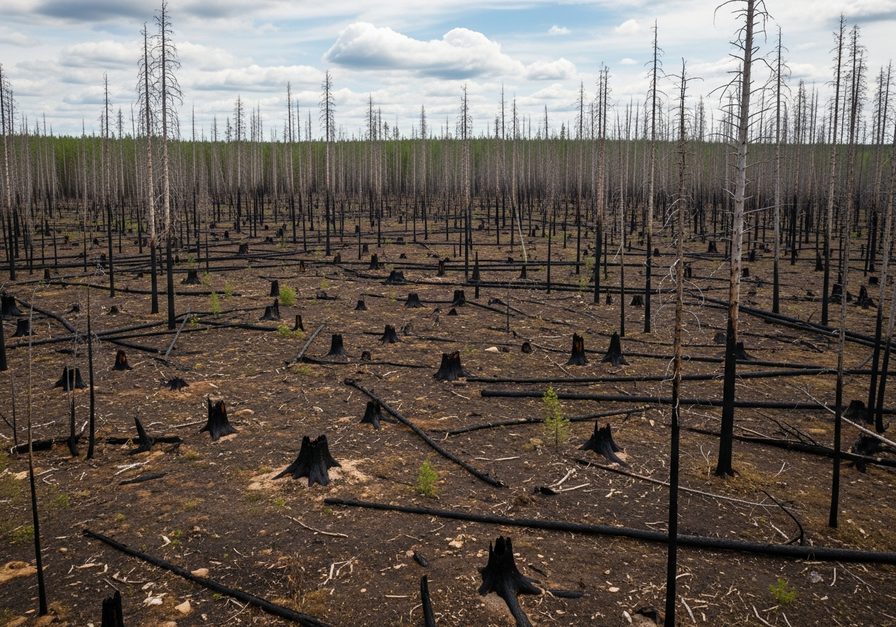
Illustrates the infrequent but large-scale fire disturbances characteristic of boreal forests, highlighting how these events create a mosaic of old and new forest stands that shape the ecosystem’s structure and species composition.
Driving Biodiversity
Many species are adapted to, or even dependent on, specific disturbance regimes. Some plants require fire to release their seeds, while others thrive in the open, sunlit gaps created by fallen trees. Disturbances can prevent a single dominant species from monopolizing resources, allowing less competitive species to persist and flourish. This constant turnover and creation of new niches contribute significantly to overall biodiversity.
The Dance of Succession
Perhaps one of the most fascinating aspects of disturbance regimes is their role in ecological succession. After a disturbance clears an area, a predictable sequence of plant and animal communities typically recolonizes the site. Pioneer species, often fast-growing and tolerant of harsh conditions, arrive first. Over time, these are gradually replaced by other species, leading to a more complex and mature ecosystem. This successional process is a direct consequence of disturbance, demonstrating nature’s remarkable capacity for renewal.
A Gallery of Natural Disturbance Regimes
Disturbance regimes manifest in countless ways across the globe, each tailored to the specific environmental conditions of an ecosystem.
Fire: The Great Reshaper
Fire is one of the most widespread and influential natural disturbances, particularly in forests, grasslands, and savannas. Its regime varies dramatically:
- High-frequency, low-intensity fires: In many grasslands and savannas, frequent, low-severity fires clear undergrowth, prevent woody encroachment, and promote the growth of fire-adapted grasses.
- Low-frequency, high-intensity fires: Boreal forests, like those in the image above, often experience infrequent but stand-replacing wildfires that burn large areas, resetting the successional clock and creating vast mosaics of different forest ages.
Fire regimes are crucial for nutrient cycling, seed germination for certain species, and maintaining open habitats.
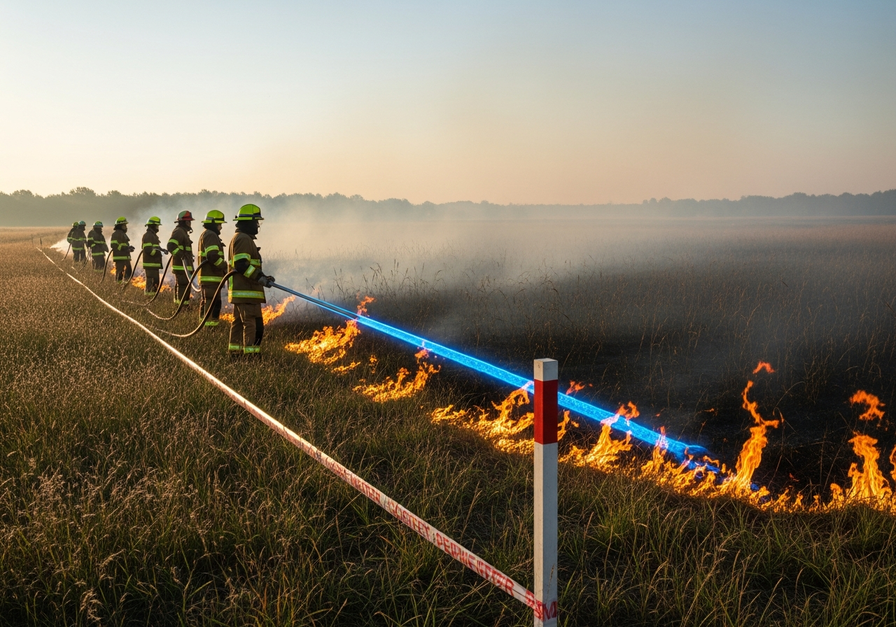
Shows dynamic management of fire disturbance regimes in grasslands, illustrating how prescribed burning controls frequency and intensity to maintain ecosystem health and reduce the risk of catastrophic wildfires.
Wind: Nature’s Mighty Breath
Wind disturbances, from localized gusts to powerful hurricanes and tornadoes, are major forces in many forest ecosystems. They create gaps in the canopy, fell trees, and redistribute biomass.
- Tropical rainforests: These highly diverse ecosystems are often shaped by hurricane regimes. Intense winds create large gaps, allowing sunlight to reach the forest floor and triggering rapid successional growth. This constant creation of new light environments is vital for the incredible diversity of plant life.
- Temperate forests: Tornadoes and strong thunderstorms can cause localized blowdowns, creating patches of early successional habitat within mature forests.
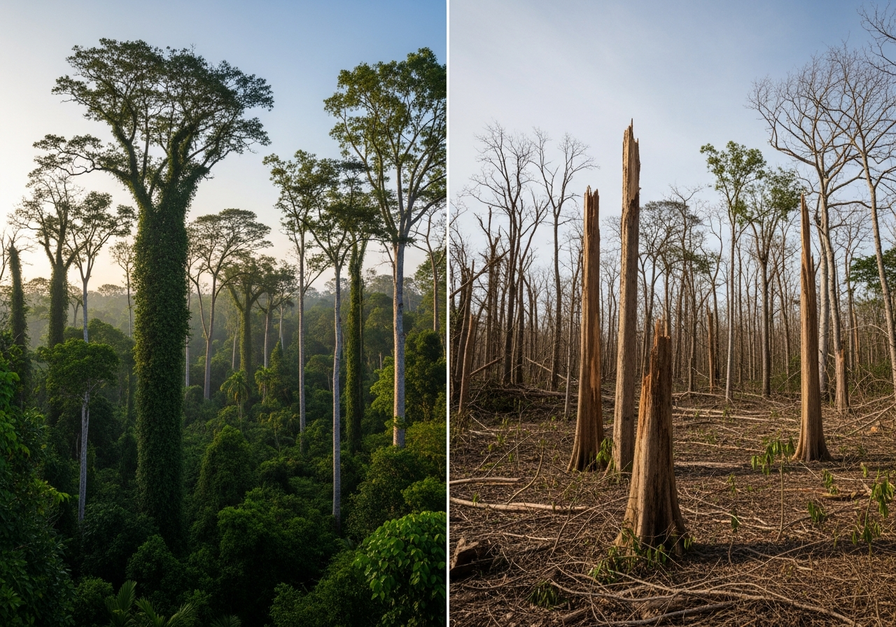
Demonstrates how intense, large-scale disturbances such as hurricanes create gaps and trigger successional dynamics in tropical rainforests, a key component of the disturbance regime in these ecosystems.
Water: Floods and Droughts
Water, in its extremes, is a powerful disturbance agent.
- Floods: Regular flooding in riparian zones and floodplains deposits nutrient-rich sediments, scours vegetation, and creates dynamic habitats that support unique plant and animal communities adapted to fluctuating water levels.
- Droughts: Prolonged periods of low rainfall can stress vegetation, increase susceptibility to fire and insect outbreaks, and fundamentally alter aquatic ecosystems.
Pests and Pathogens: Subtle but Powerful
Insect outbreaks and disease epidemics can act as significant disturbances, particularly in forest ecosystems. While often slower than fires or storms, they can affect vast areas, leading to widespread tree mortality and subsequent changes in forest structure and composition. For example, bark beetle outbreaks can decimate conifer forests, creating large areas of standing deadwood that become fuel for future fires or habitat for specific wildlife.
Geological Forces: Earth’s Tremors
Volcanic eruptions, earthquakes, and landslides are less frequent but incredibly intense disturbances. They can completely reset ecosystems, creating new landforms and initiating primary succession on barren ground. The ecological recovery following such events can take centuries, offering a profound illustration of nature’s resilience.
The Human Hand in Disturbance Regimes
Human activities have profoundly altered natural disturbance regimes across the globe. Suppression of natural fires, for instance, has led to an accumulation of fuel in many forests, increasing the risk of infrequent but catastrophic wildfires. Conversely, land use changes such as deforestation, agriculture, and urbanization introduce new forms of disturbance, often with increased frequency and intensity, leading to habitat fragmentation and biodiversity loss.
Management and Restoration
Understanding natural disturbance regimes is critical for effective conservation and ecosystem management. In some cases, this involves reintroducing natural disturbances, such as prescribed burning in fire-adapted ecosystems, to restore ecological health and reduce the risk of more severe, uncharacteristic events. In other instances, it means mitigating human-caused disturbances or designing landscapes that can better withstand and recover from both natural and anthropogenic impacts. This ecological knowledge allows for more informed decisions about how to live with and manage the dynamic forces that shape our planet.
The Ever-Changing Tapestry
Disturbance regimes are not static; they can shift over time due to climate change, invasive species, and other factors. A warming climate, for example, can alter fire frequencies, drought severity, and the intensity of tropical storms. This dynamic nature means that ecosystems are constantly adapting and evolving in response to these powerful, recurring events.
Conclusion
The concept of a disturbance regime offers a powerful lens through which to view the natural world. It reveals that what might appear as chaos or destruction is, in fact, an essential and often beneficial force in shaping ecosystems. From the fiery rebirth of a boreal forest to the wind-sculpted canopy of a rainforest, disturbances are the rhythmic pulses of nature, driving renewal, fostering diversity, and ensuring the ongoing vitality of life on Earth. Embracing this understanding allows us to appreciate the intricate dance between destruction and creation that defines our planet’s incredible ecological tapestry.