
The Dynamic World of Floodplains: Where Land Meets Water
Imagine a river, not just as a channel of flowing water, but as a living system with a pulse. This pulse is the periodic rise and fall of its waters, and the stage for this dramatic natural event is the floodplain. Often overlooked, these flat, fertile lands adjacent to rivers are among the most dynamic and ecologically vital landscapes on Earth. They are nature’s sponges, filters, and nurseries, playing an indispensable role in both natural ecosystems and human societies. Understanding floodplains is key to appreciating the intricate dance between land and water, and to building a more resilient future.
What Exactly is a Floodplain?
At its most fundamental, a floodplain is a flat or nearly flat land area adjacent to a river or stream, formed by the deposition of sediment during floods. Think of it as the river’s overflow basin, a natural extension that accommodates excess water when the main channel can no longer contain it. These areas are characterized by their low elevation and susceptibility to periodic inundation.
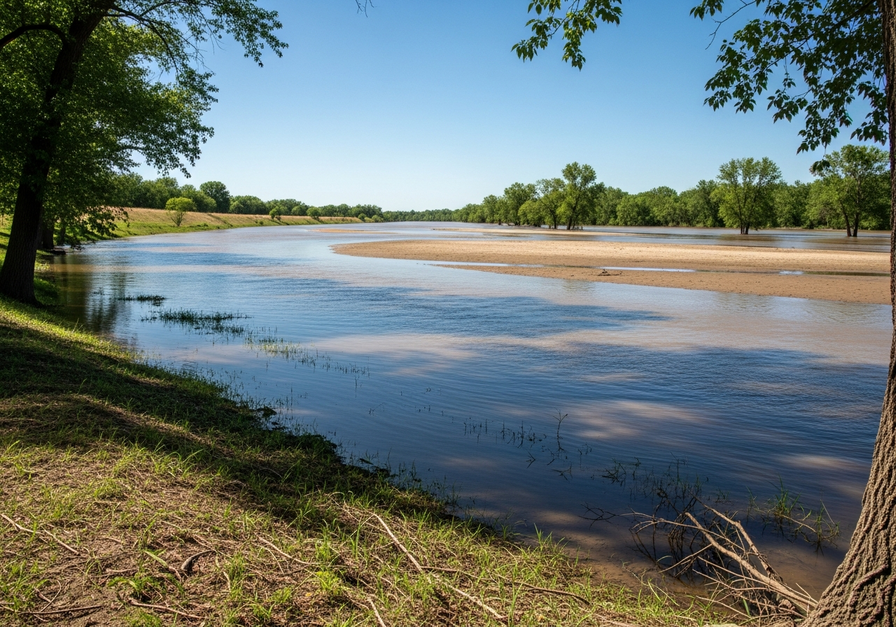
The formation of a floodplain is a slow, continuous process driven by the river itself. As a river meanders across the landscape, it erodes material from one bank and deposits it on the other. During flood events, when the river’s energy is at its peak, it carries a vast amount of sediment. When the water spills over its banks and spreads across the wider floodplain, its velocity decreases, causing the suspended sediment to settle out. Over countless flood cycles, layers of silt, sand, and clay accumulate, gradually building up the fertile, flat landscape we recognize as a floodplain. This periodic deposition of nutrient-rich sediment is what makes floodplains so incredibly fertile and attractive for agriculture.
The Ecological Heartbeat of Rivers: Why Floodplains Matter
Floodplains are far more than just flat land; they are vibrant ecosystems, biodiversity hotspots, and critical natural infrastructure. Their periodic inundation creates a unique set of conditions that support an incredible array of life.
Biodiversity Hotspots
The fluctuating water levels on floodplains create a mosaic of habitats, from temporary wetlands and oxbow lakes to riparian forests and grasslands. This diversity supports a rich tapestry of plant and animal species.
- Plants: Floodplain forests, often dominated by species like willows, cottonwoods, and sycamores, are adapted to wet conditions and periodic disturbance. These trees provide crucial shade, stabilize banks, and contribute organic matter to the soil.
- Fish: Many fish species rely on floodplains as spawning grounds and nurseries. When rivers overflow, fish can access new areas rich in food and shelter, allowing their young to grow rapidly before returning to the main channel.
- Wildlife: Floodplains are vital corridors for migrating birds and provide habitat for a wide range of mammals, amphibians, and reptiles. The abundance of water, food, and cover makes them prime locations for wildlife.
Nature’s Water Filters and Sponges
Beyond supporting life, floodplains perform essential ecosystem services that benefit both nature and human communities.
- Water Quality Improvement: As floodwaters spread across the floodplain, vegetation and sediment act as natural filters, trapping pollutants and excess nutrients before they can reach downstream areas or groundwater. This natural purification process is invaluable.
- Flood Storage and Attenuation: Perhaps one of the most critical functions, floodplains act as natural sponges, absorbing and storing vast quantities of floodwater. By spreading water out over a large area, they reduce the velocity and height of flood peaks, protecting downstream communities and infrastructure from more severe flooding.
- Groundwater Recharge: The slow infiltration of water through the floodplain soils helps to replenish underground aquifers, providing a vital source of freshwater.
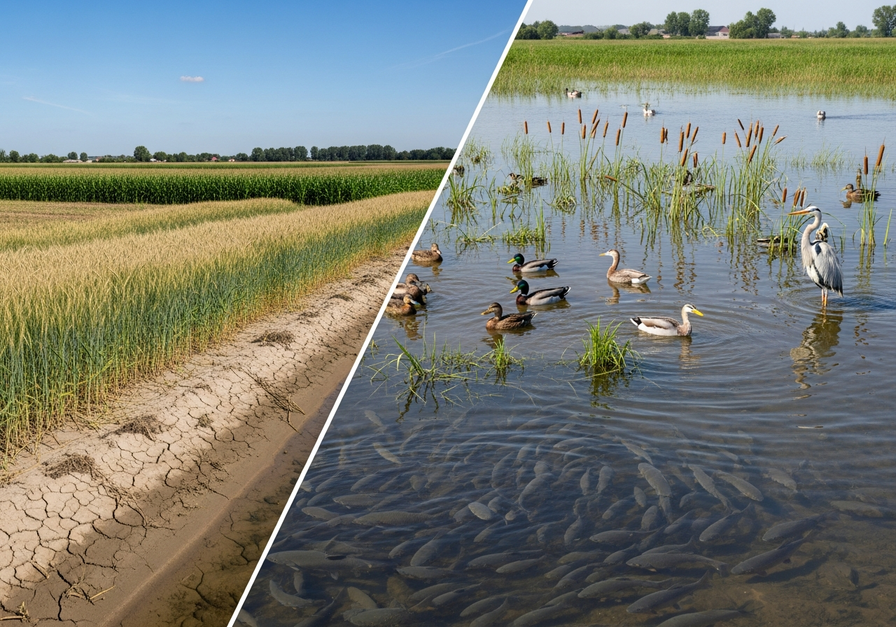
The transformation of a floodplain from a dry, terrestrial environment to a vibrant aquatic one during a flood event, as illustrated above, vividly demonstrates its ecological dynamism. What might appear as arable land in one season becomes a thriving wetland ecosystem in another, supporting a completely different suite of species.
Beyond Nature: The Human Connection to Floodplains
For millennia, human civilizations have been drawn to floodplains. Their fertile soils, abundant water, and accessible transportation routes made them ideal locations for settlement and agriculture.
Agriculture and Settlement
The rich, alluvial soils deposited by floods are exceptionally productive, making floodplains prime agricultural land. Crops thrive in these nutrient-rich environments, supporting large populations. Major cities around the world, from ancient Mesopotamia to modern metropolises, have often developed on or near floodplains due to these advantages.
Challenges and Risks
However, living on a floodplain comes with inherent risks. The very process that makes these areas so fertile also makes them susceptible to flooding. As human populations grew and development intensified, the desire to control and mitigate flood risks led to significant alterations of floodplain landscapes.
Navigating the Waters: Managing Floodplains in a Changing World
The relationship between humans and floodplains has often been one of conflict, with efforts focused on taming rivers and preventing floods. However, a growing understanding of floodplain ecology is shifting management strategies towards more sustainable, nature-based solutions.
Traditional Flood Control: The Engineered Approach
Historically, the primary response to floodplain flooding has been to build structures designed to keep water within the river channel or away from developed areas.
- Levees and Dikes: These artificial embankments run parallel to rivers, raising the effective height of the riverbanks and preventing water from spilling onto the floodplain.
- Dams and Reservoirs: Upstream dams can store large volumes of water, releasing it gradually to reduce flood peaks downstream.
- Channelization: Straightening and deepening river channels can increase water flow capacity, but often at the expense of natural river processes and habitats.
While these engineered solutions can provide short-term protection, they often come with significant ecological costs. Levees disconnect rivers from their floodplains, preventing the natural exchange of water, sediment, and nutrients. This can lead to a loss of wetland habitats, reduced water quality, and even increased flood risk downstream or in areas where levees fail.
Nature-Based Solutions: Embracing the River’s Rhythm
A more modern and ecologically sound approach recognizes the value of allowing rivers to interact with their floodplains. Nature-based solutions aim to restore the natural functions of floodplains, working with the river rather than against it.
- Floodplain Restoration: This involves removing or setting back levees, restoring natural meanders, and re-establishing riparian vegetation. By giving the river more room to spread out, these projects enhance flood storage, improve water quality, and create vital habitats.
- Wetland Creation and Enhancement: Restoring or creating wetlands within floodplains boosts their capacity to filter water, store carbon, and support biodiversity.
- Land Use Planning: Smart planning involves avoiding new development in high-risk floodplain areas and relocating existing structures where feasible. This reduces exposure to flood damage and allows natural processes to resume.
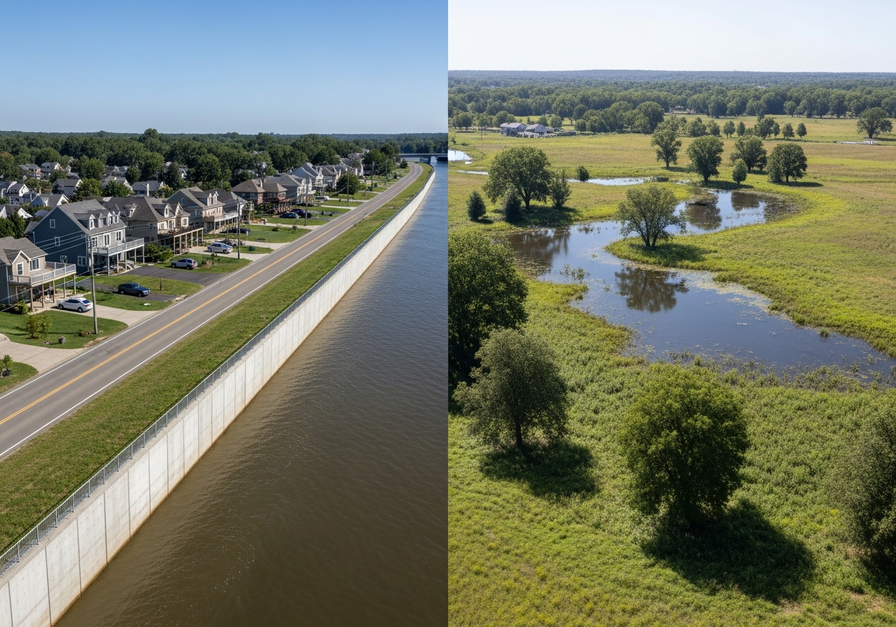
The contrast between an engineered levee and a restored wetland within a floodplain, as depicted above, highlights the two divergent paths humanity can take in managing these vital landscapes. One seeks to control nature, while the other seeks to collaborate with it, yielding benefits for both ecosystems and human communities.
The Future of Floodplains: Resilience and Restoration
As climate change brings more extreme weather events, including more intense rainfall and increased flood risks, the importance of healthy, functioning floodplains becomes even more critical. Embracing nature-based solutions is not just an ecological ideal; it is a practical necessity for building resilient communities and ecosystems.
By understanding the dynamic nature of floodplains, recognizing their immense ecological value, and implementing thoughtful management strategies that work with natural processes, we can ensure these vital landscapes continue to thrive. This approach allows floodplains to continue their essential work of filtering water, supporting biodiversity, and protecting us from the very floods that created them, fostering a more harmonious relationship between humanity and the natural world.