The natural world is often portrayed as a brutal arena, a relentless struggle for survival where only the strongest endure. While competition certainly plays a vital role, this narrative overlooks a profound and equally powerful force shaping life on Earth: cooperation. Far from being a rare anomaly, partnerships are woven into the very fabric of ecosystems, creating intricate webs of interdependence that allow species to thrive where they might otherwise perish. This phenomenon, where two or more species engage in a mutually beneficial relationship, is known as mutualism.
Mutualism is a cornerstone of ecological stability and biodiversity, demonstrating that sometimes, the best way to succeed is to help someone else succeed too. It is a testament to the ingenuity of evolution, showcasing how diverse life forms can find common ground and build shared prosperity.
What is Mutualism? Nature’s Win-Win Strategy
At its core, mutualism describes an interaction between individuals of different species that results in positive effects on the per capita reproduction and/or survival of the interacting populations. Simply put, both parties involved gain something valuable from the relationship. This stands in contrast to other interspecies interactions:
- Competition: Both species are harmed.
- Predation/Parasitism: One species benefits, the other is harmed.
- Commensalism: One species benefits, the other is unaffected.
Mutualistic relationships are characterized by a reciprocal exchange of goods or services. This exchange can take many forms, from the sharing of vital nutrients to providing protection against predators, or even facilitating reproduction.
Classic Examples of Mutualism in Action
To truly grasp the concept, consider some of the most iconic examples:
-
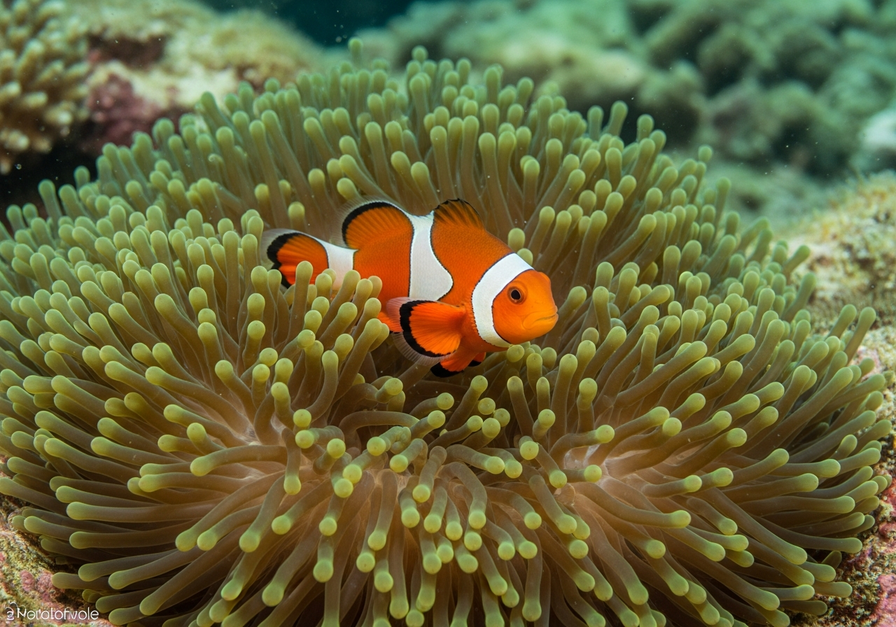
- Clownfish and Sea Anemones: The vibrant clownfish finds refuge among the stinging tentacles of a sea anemone, which are deadly to most other fish. The clownfish, immune to the anemone’s sting, may help clean the anemone, ward off predators like butterflyfish, and even provide nutrients through its waste. It is a perfect example of shelter and protection in exchange for defense and cleanliness.
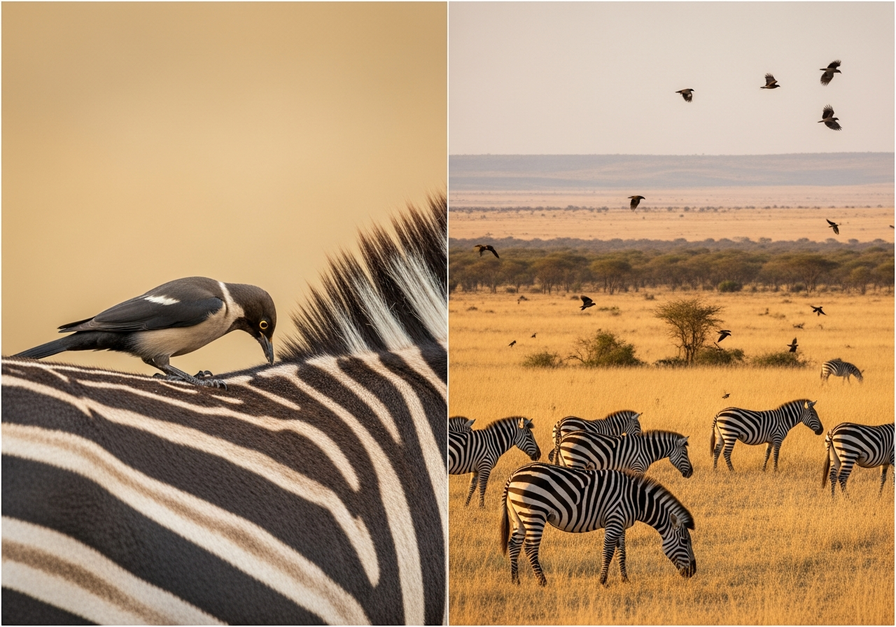
- Oxpeckers and Large Mammals: In African savannas, oxpecker birds are frequently observed perched on the backs of large mammals such as zebras, giraffes, and rhinoceroses. The birds feed on ticks, fleas, and other parasites that infest the mammals, effectively cleaning them. In return, the mammals are relieved of irritating pests, and some research suggests the birds may also alert their hosts to approaching danger.
-
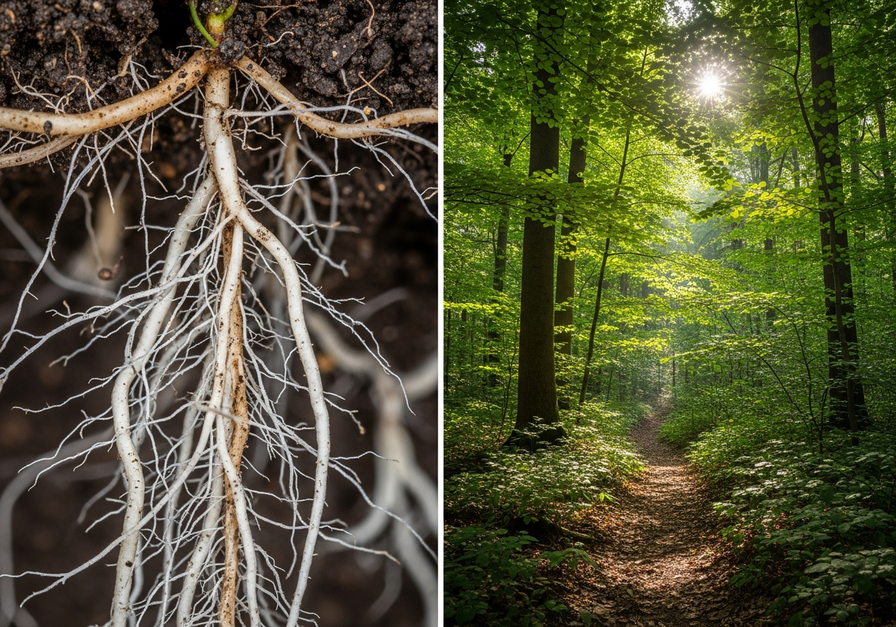
- Mycorrhizal Fungi and Plants: This subterranean partnership is one of the most widespread and ecologically critical mutualisms. Mycorrhizal fungi colonize plant roots, extending the plant’s root system far beyond its physical reach. The fungi are exceptionally efficient at absorbing water and essential nutrients, particularly phosphorus and nitrogen, from the soil and transferring them to the plant. In exchange, the plant provides the fungi with carbohydrates, sugars produced through photosynthesis. Without this partnership, many plant species would struggle to survive, and entire ecosystems would be profoundly different.
The Evolutionary Advantage: Why Cooperate?
From an evolutionary perspective, mutualism makes perfect sense. If two species can enhance each other’s survival and reproductive success, natural selection will favor the development and maintenance of such interactions. These partnerships often arise through a process called coevolution, where two or more species reciprocally influence each other’s evolution. Over long periods, mutualists can become incredibly specialized and interdependent, with their traits evolving in tandem to optimize the benefits of the relationship.
The benefits derived from mutualism can be diverse:
- Enhanced nutrient acquisition.
- Improved defense against predators or pathogens.
- Access to new habitats or resources.
- Increased reproductive success through pollination or seed dispersal.
- Detoxification of harmful compounds.
A Spectrum of Interdependence: Types of Mutualism
Mutualistic relationships are not all identical. Ecologists categorize them based on the degree of dependency and the nature of the benefits exchanged.
Obligate vs. Facultative Mutualism
The most fundamental distinction lies in how essential the partnership is for the survival of the species involved:
- Obligate Mutualism: In these relationships, at least one of the species cannot survive or reproduce without the other. The interdependence is absolute.
- Example: Lichens. These fascinating organisms are not a single species but a composite of a fungus and an alga or cyanobacterium. The fungus provides a protective structure, absorbs water and minerals, and anchors the lichen. The alga or cyanobacterium, through photosynthesis, produces sugars that feed both partners. Neither can typically survive long-term in nature without the other.
- Example: Yucca Plants and Yucca Moths. The yucca moth is the sole pollinator of the yucca plant. The female moth collects pollen, actively deposits it onto the stigma of a yucca flower, and then lays her eggs in the flower’s ovary. Her larvae feed on some of the developing seeds. Without the moth, the yucca cannot reproduce. Without the yucca, the moth’s larvae have no food source.
- Facultative Mutualism: Here, the interaction is beneficial for both species, but neither is strictly dependent on the other for survival. They can exist independently, but they do much better together.
- Example: Honeyguides and Humans (or Badgers). The Greater Honeyguide bird is known for leading humans or badgers to beehives. The bird benefits by gaining access to the beeswax and larvae left behind after the larger animal breaks open the hive, which it cannot do on its own. The human or badger benefits by easily finding a source of honey. While beneficial, neither species would perish without this specific interaction.
- Example: Ants and Aphids. Some ant species protect aphids from predators and parasites. In return, the aphids secrete a sugary substance called honeydew, which the ants consume. While ants benefit from the honeydew, they can find other food sources, and aphids can survive without ant protection, though often with reduced success.
Categorizing by Benefit Provided
Mutualisms can also be classified by the primary service or resource exchanged:
- Resource Mutualism (or Trophic Mutualism): Involves the exchange of resources, often food or nutrients.
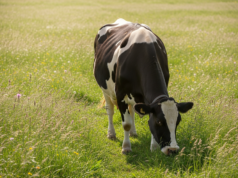
- Example: Ruminants and Gut Microbes. Cows, sheep, and other ruminant animals possess a specialized stomach chamber, the rumen, which houses vast communities of bacteria and other microorganisms. These microbes break down cellulose, a complex carbohydrate found in plant cell walls, which the ruminant cannot digest on its own. The ruminant gains essential nutrients, and the microbes receive a stable environment and a constant supply of food.
- Example: Corals and Zooxanthellae. Coral polyps host microscopic algae called zooxanthellae within their tissues. The algae perform photosynthesis, providing the coral with energy and nutrients. In return, the coral provides the algae with a protected environment and compounds necessary for photosynthesis. This partnership is fundamental to the existence of coral reefs.
- Defensive Mutualism: One species receives protection from predators, parasites, or herbivores, often in exchange for food or shelter.
- Example: Ants and Acacias. Certain acacia trees in Central and South America have evolved hollow thorns that provide shelter for specific species of ants. The trees also produce nectar and specialized food bodies for the ants. In return, the ants aggressively defend the acacia from herbivores, both insects and larger mammals, and even clear competing vegetation around the tree.
- Example: Cleaner Wrasse and Larger Fish. Small cleaner wrasse fish set up “cleaning stations” on coral reefs. Larger predatory fish visit these stations and allow the wrasse to remove parasites, dead skin, and debris from their bodies, even from inside their mouths and gills. The wrasse gets a meal, and the larger fish gets a health service.
- Dispersive Mutualism: Involves the transport of pollen or seeds, crucial for plant reproduction and colonization.
- Example: Pollination by Insects, Birds, or Bats. Flowers offer nectar or pollen as a reward to animals that visit them. As the animals move from flower to flower, they inadvertently transfer pollen, facilitating plant fertilization. This is perhaps the most visible form of mutualism, essential for the reproduction of countless plant species.
- Example: Seed Dispersal by Frugivores. Many plants produce fleshy fruits that are attractive to animals. The animals eat the fruit, digest the pulp, and then disperse the seeds, often far from the parent plant, through their feces. This helps the plant colonize new areas and reduces competition with the parent.
The Intricacies of Mutualistic Relationships: Deeper Dives
While the basic concept of mutualism is straightforward, the ecological and evolutionary dynamics are often complex and fascinating.
Specificity and Generalism in Partnerships
Mutualistic relationships vary widely in their specificity. Some are highly specialized, involving only two species that have coevolved intricate adaptations, like the yucca moth and yucca plant. Others are much more generalized, with one partner interacting with a wide range of species. For instance, a single plant species might be pollinated by many different insect species, or a fruit-eating bird might consume fruits from numerous plant species. Generalist mutualisms can offer greater resilience to environmental changes, as the loss of one partner might not doom the other.
Cheating and Regulation: Keeping the Balance
A fundamental question in mutualism is: what prevents one partner from “cheating” by taking benefits without providing anything in return? Evolution favors self-interest, so mechanisms must exist to maintain the reciprocal nature of these interactions. These mechanisms can include:
- Sanctions: One partner may punish a cheater. For example, yucca plants can abort flowers in which yucca moths have laid too many eggs, thereby preventing the moth larvae from consuming too many seeds.
- Policing: Some mutualists actively monitor and regulate their partners. Certain ant species will attack or remove aphids that are not producing enough honeydew.
- Partner Choice: Organisms may choose to associate with the most beneficial partners. Plants might allocate more resources to mycorrhizal fungi that provide more nutrients.
- Evolutionary Stability: Over long evolutionary timescales, relationships that are truly mutualistic tend to be more stable and persistent because both partners benefit, leading to higher fitness for both. Short-term cheating might offer a temporary advantage, but it often destabilizes the relationship in the long run.
Context Dependency: When Mutualism Shifts
It is important to recognize that the nature of an interaction can change depending on environmental conditions. A relationship that is mutualistic in one context might become parasitic or commensal in another. For example:
- Mycorrhizal fungi are generally beneficial to plants, especially in nutrient-poor soils. However, in very nutrient-rich soils, where the plant can easily acquire nutrients on its own, the fungi might become a net drain on the plant’s resources, acting more like parasites.
- Some seed dispersers, if they consume too many seeds without dispersing any viable ones, can shift from being mutualists to seed predators.
This context dependency highlights the dynamic and fluid nature of ecological interactions, reminding us that nature is rarely black and white.
Mutualism in Our World: Beyond the Wild
The principles of mutualism extend far beyond the exotic examples of rainforests and coral reefs. They are fundamental to many aspects of life, including our own:
- The Human Microbiome: Our bodies are teeming with trillions of microorganisms, particularly in our gut. These microbes aid in digestion, synthesize essential vitamins, train our immune system, and protect us from harmful pathogens. In return, we provide them with a stable habitat and a constant food supply. This is a complex and vital mutualistic relationship.
- Agriculture: Nitrogen-fixing bacteria, such as those in the genus Rhizobium, form mutualistic relationships with legumes (e.g., beans, peas, clover). These bacteria convert atmospheric nitrogen into a form usable by plants, enriching the soil and reducing the need for synthetic fertilizers. This partnership is essential to sustainable farming.
- Environmental Management: Many conservation and restoration projects rely on mutualistic pairings, such as reintroducing mycorrhizal fungi to degraded soils or planting acacia trees to support ant defenders. These initiatives demonstrate how mutualism can aid in ecological restoration and resilience.
Conclusion
By appreciating these hidden partnerships, we gain a deeper understanding of the interconnectedness of all living things. It is a reminder that in nature, as perhaps in life, true strength often lies not in isolation, but in the power of collaboration.