Unveiling Wetlands: Nature’s Vital Sponges and Biodiversity Hotspots
Often overlooked or misunderstood, wetlands are among the most dynamic and productive ecosystems on Earth. These incredible landscapes, where land meets water, are far more than just soggy ground. They are critical to the health of our planet and provide an astonishing array of benefits to both nature and human communities. From the serene freshwater marshes of the heartland to the intricate coastal mangrove forests, wetlands are true ecological powerhouses.
What Exactly is a Wetland? The Basics
At its core, a wetland is an area of land saturated with water, either permanently or seasonally. This constant or recurrent presence of water creates unique conditions that foster specialized plant and animal communities. Three key characteristics define a wetland:
- Hydrology: The presence of water, which can come from rainfall, groundwater, tides, or rivers. This water influences the soil and vegetation.
- Hydric Soils: Soils that are saturated or flooded long enough during the growing season to become anaerobic, meaning they lack oxygen. This leads to unique chemical processes and soil compositions.
- Hydrophytes: Plants adapted to grow in water or saturated soil conditions. These specialized plants, known as hydrophytes, can tolerate or even thrive in anaerobic environments.
Wetlands come in many forms, each with its own distinct character and ecological role:
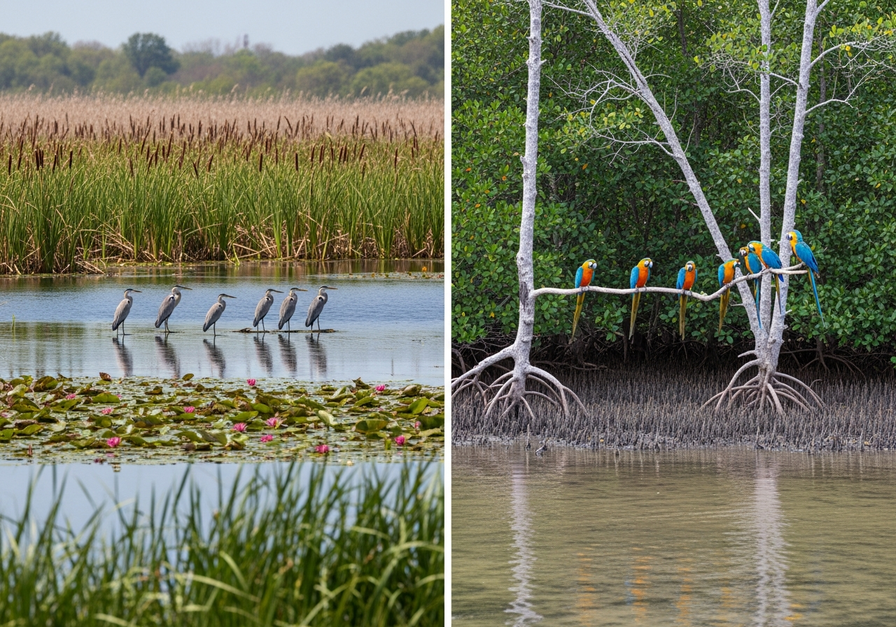
- Marshes: Characterized by emergent soft-stemmed vegetation like cattails and rushes, marshes are typically nutrient-rich and can be freshwater, saltwater, or brackish.
- Swamps: Dominated by woody plants, such as trees and shrubs, swamps can also be freshwater or saltwater. Think of cypress swamps in the southern United States or mangrove swamps along tropical coastlines.
- Bogs: These are freshwater wetlands characterized by spongy peat deposits, acidic waters, and a carpet of sphagnum moss. Bogs are typically fed by rainwater and are nutrient-poor.
- Fens: Similar to bogs, fens also have peat deposits but are fed by groundwater, making them less acidic and more nutrient-rich than bogs.
- Mangroves: Unique coastal wetlands found in tropical and subtropical regions, dominated by salt-tolerant mangrove trees with their distinctive stilt roots. They thrive in intertidal zones.
These diverse wetland types are vibrant centers of life, supporting an incredible array of species. Whether it is a freshwater marsh teeming with herons and water lilies or a coastal mangrove forest sheltering macaws and myriad marine life, wetlands are undeniable biodiversity hotspots.
The Unsung Heroes: Why Wetlands Matter
The ecological services provided by wetlands are immense, often benefiting communities far beyond their immediate boundaries. They are truly nature’s multi-taskers.
Biodiversity Havens
Wetlands are among the most biologically productive natural ecosystems in the world, rivaling even rainforests and coral reefs. They provide essential habitat for countless species of plants and animals, including many endangered ones. Birds, fish, amphibians, reptiles, insects, and mammals all rely on wetlands for food, shelter, and breeding grounds. For migratory birds, wetlands serve as crucial stopover points during their long journeys.
Nature’s Water Filters
Acting as natural purification systems, wetlands filter pollutants from water. As water flows through wetland vegetation and soils, sediments settle out, and plants absorb excess nutrients like nitrogen and phosphorus. Microorganisms in the soil break down harmful chemicals, effectively cleaning the water before it enters rivers, lakes, or groundwater supplies. This natural filtration process reduces the need for costly artificial water treatment.
Flood Control and Storm Protection
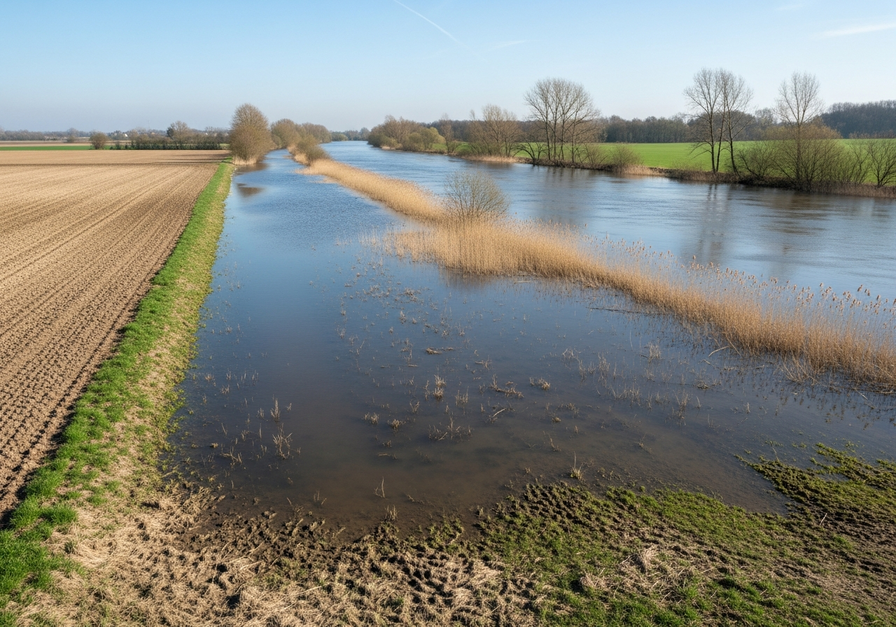
One of the most vital services wetlands provide is their ability to absorb and store vast amounts of water. Like giant sponges, they soak up excess rainfall and floodwaters, slowly releasing them over time. This reduces the severity of floods downstream, protecting homes, businesses, and agricultural lands. Coastal wetlands, such as mangrove forests and salt marshes, also act as natural barriers against storm surges and erosion, buffering inland areas from the destructive power of hurricanes and tsunamis.
Climate Regulators
Wetlands play a significant role in regulating the global climate. Peatlands, a type of wetland, store vast amounts of carbon in their waterlogged soils, preventing its release into the atmosphere as carbon dioxide. They are incredibly efficient carbon sinks, holding more carbon than all other vegetation types combined. When wetlands are drained or destroyed, this stored carbon is released, contributing to climate change.
Economic and Cultural Value
Beyond their ecological functions, wetlands offer substantial economic and cultural benefits. They support commercial fisheries, provide opportunities for recreation like fishing, hunting, birdwatching, and boating, and contribute to local economies through tourism. Many indigenous cultures also hold deep spiritual and cultural connections to wetland areas, relying on them for traditional resources and practices.
Wetlands Under Threat: A Call to Action
Despite their immense value, wetlands are among the most threatened ecosystems globally. Historically, they have often been viewed as unproductive wastelands, leading to widespread drainage and conversion for agriculture, urban development, and infrastructure. The consequences of this loss are severe, leading to increased flooding, reduced water quality, declines in biodiversity, and accelerated climate change.
- Habitat Loss and Degradation: Draining wetlands for development or agriculture is the primary threat. This directly destroys the unique habitats that countless species depend on.
- Pollution: Runoff from agriculture, industry, and urban areas introduces excess nutrients, pesticides, and heavy metals into wetlands, degrading water quality and harming wildlife.
- Climate Change: Rising sea levels threaten coastal wetlands, while altered precipitation patterns can lead to prolonged droughts or excessive flooding in inland wetlands.
- Invasive Species: Non-native species can outcompete native wetland plants and animals, disrupting the delicate ecological balance.
Restoring Our Wetlands: Hope for the Future
The good news is that wetlands are remarkably resilient, and restoration efforts can yield incredible results. Recognizing their critical importance, conservationists, governments, and local communities are increasingly working together to protect existing wetlands and restore degraded ones. Wetland restoration involves a variety of techniques, such as re-establishing natural water flows, removing invasive species, planting native vegetation, and creating conditions for hydric soils to recover.
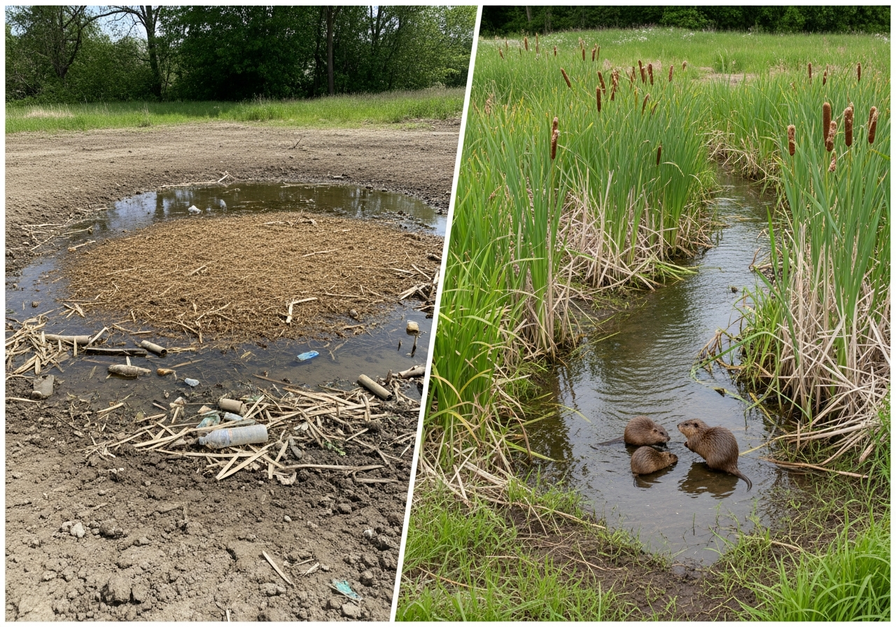
Successful restoration projects demonstrate that even severely degraded sites can be brought back to life, once again providing their invaluable ecological services. These efforts not only bring back biodiversity but also enhance flood protection, improve water quality, and contribute to climate resilience for surrounding communities.
Diving Deeper: The Science Behind the Sponges
For those seeking a more in-depth understanding, the intricate science of wetlands reveals even more fascinating details about their functionality.
Hydrology: The Driving Force
The unique characteristics of wetlands are fundamentally driven by their hydrology. The duration, frequency, and depth of water inundation dictate the types of plants and animals that can survive. Different hydrological regimes lead to different wetland types. For instance, tidal wetlands experience daily fluctuations, while prairie potholes might only be wet seasonally. Understanding these water dynamics is crucial for effective wetland management and restoration.
Soil Chemistry: A World Without Oxygen
The anaerobic conditions in hydric soils are a cornerstone of wetland ecology. When soils are waterlogged, oxygen is quickly depleted by microbial activity. This lack of oxygen forces microorganisms to use other compounds as electron acceptors, leading to unique biogeochemical cycles. For example, nitrogen is often denitrified and released as nitrogen gas, and sulfur can be reduced to hydrogen sulfide, giving some wetlands their characteristic odor. These processes are vital for nutrient cycling and pollutant breakdown.
Ecological Adaptations: Life in Waterlogged Conditions
Wetland plants and animals have evolved remarkable adaptations to thrive in these challenging environments. Hydrophytes, for instance, often possess specialized tissues called aerenchyma, which are air-filled channels that transport oxygen from the leaves to the roots, allowing them to breathe in anaerobic soils. Mangrove trees have pneumatophores, specialized root structures that grow upwards out of the water to absorb oxygen. Many wetland animals have adapted unique reproductive strategies or physiological tolerances to fluctuating water levels and oxygen availability.
- Plant Adaptations:
- Aerenchyma for oxygen transport to roots.
- Pneumatophores (e.g., mangroves) for gas exchange.
- Adventitious roots that grow from stems.
- Floating leaves (e.g., water lilies) to access sunlight.
- Animal Adaptations:
- Specialized respiratory organs (e.g., gills in aquatic insects).
- Tolerance to low oxygen conditions.
- Behavioral adaptations for foraging and breeding in water.
- Webbed feet or long legs for navigating shallow water.
Conclusion
Wetlands are truly extraordinary ecosystems, offering a wealth of benefits that are often taken for granted. From their role as vibrant biodiversity hotspots and natural water purifiers to their crucial function in flood control and climate regulation, these “nature’s sponges” are indispensable. Understanding, appreciating, and protecting wetlands is not just an ecological imperative; it is an investment in the health and resilience of our planet and our communities. By supporting conservation and restoration efforts, we can ensure that these vital landscapes continue to thrive for generations to come.