Imagine a species teetering on the brink, its entire future resting on a handful of individuals. How many individuals are truly enough to pull a species back from the precipice of extinction? This critical question lies at the heart of conservation biology, and the answer is encapsulated in a powerful concept: the Minimum Viable Population, or MVP.
The idea of a Minimum Viable Population is not just an academic exercise; it is a vital tool that guides conservationists in their urgent efforts to protect biodiversity. It helps determine the smallest number of individuals a population needs to have a very high probability of surviving for a long time into the future, typically defined as 90% to 95% probability of persistence for 100 to 1,000 years.
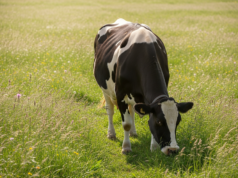
Consider the plight of a single, isolated creature, a poignant symbol of an entire species’ fragile existence.

This image visually introduces the article’s core scenario, how a single individual can represent an entire species’ fragile status, setting the stage for a discussion of minimum viable population.
Understanding the Minimum Viable Population (MVP)
At its core, MVP is a threshold. Below this threshold, a population faces an unacceptably high risk of extinction due to various threats. Above it, the population has a much better chance of weathering environmental changes, genetic challenges, and random events. It is a dynamic number, not a fixed one, varying greatly depending on the species, its habitat, and the specific threats it faces.
The concept acknowledges that simply having a few individuals alive is not enough for long-term survival. A population needs a certain level of resilience, a buffer against the unpredictable forces of nature and the inherent challenges of small numbers.
Why Small Populations are Vulnerable: The Extinction Vortex
Small populations are inherently more susceptible to extinction. They can easily fall into what ecologists call an “extinction vortex,” a downward spiral where small population size exacerbates threats, leading to further decline. Several key factors contribute to this vulnerability:
- Genetic Factors:
- Loss of Genetic Diversity: Small populations have fewer unique genes and gene combinations. This reduced genetic “toolkit” makes them less adaptable to changes in their environment, such as new diseases or shifts in climate.
- Genetic Drift: In small populations, random chance can cause certain genes to become more or less common, or even disappear entirely, from one generation to the next. This “drift” can lead to the loss of beneficial traits and the accumulation of harmful ones.
- Inbreeding Depression: When a population is small, individuals are more likely to mate with close relatives. This increases the chances of offspring inheriting two copies of harmful recessive genes, leading to reduced fertility, lower survival rates, birth defects, and overall weaker individuals.
- Demographic Factors:
- Random Fluctuations: In a small group, random variations in birth rates, death rates, and sex ratios can have a disproportionate impact. For example, if a few more females than males are born, or if a few individuals die unexpectedly, the population can shrink rapidly.
- Allee Effect: This phenomenon describes situations where small populations have reduced fitness or growth rates. For instance, individuals may struggle to find mates, successfully reproduce, or cooperatively hunt or defend themselves when their numbers are too low.
- Environmental Factors:
- Environmental Stochasticity: Random, unpredictable events like severe storms, droughts, fires, or disease outbreaks can wipe out a significant portion, or even all, of a small population. Larger populations are more likely to have individuals survive such events.
- Catastrophes: Extreme, rare events, such as a major volcanic eruption or a widespread epidemic, can be devastating for any population, but they are particularly lethal for those already struggling with low numbers.
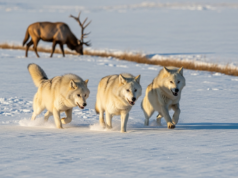
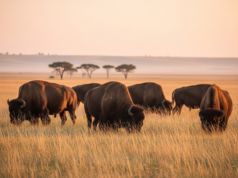
The stark contrast between a thriving group and an individual showing signs of decline vividly illustrates these biological mechanisms.
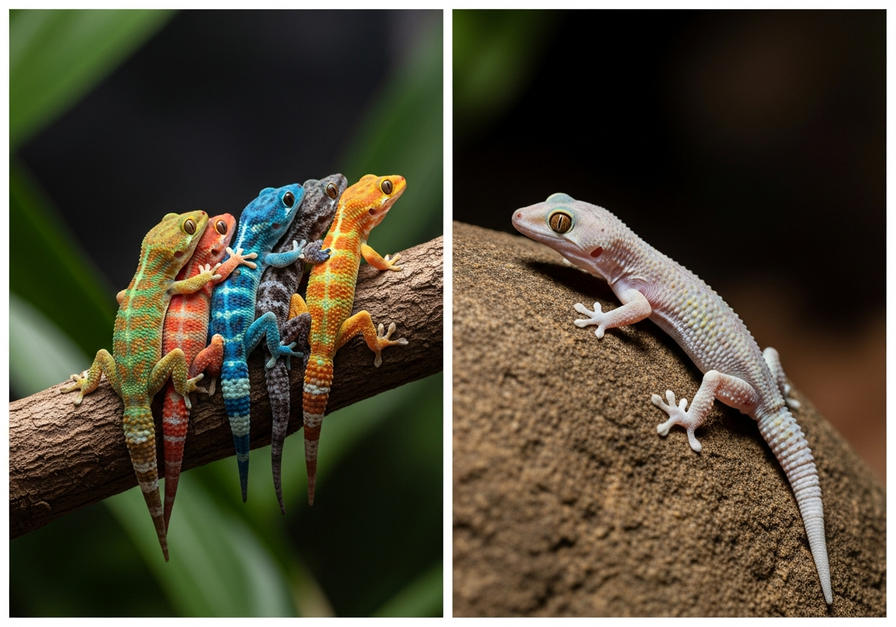
The contrast illustrates the biological mechanisms discussed, genetic drift and inbreeding depression, making the concepts tangible for readers.
Calculating the MVP: Population Viability Analysis (PVA)
Determining an MVP is not a simple task. It involves complex mathematical modeling and extensive data collection through a process called Population Viability Analysis (PVA). PVA uses computer simulations to project the future of a population under different scenarios. Ecologists input a wide range of data, including:
- Birth rates and death rates
- Age structure and sex ratios
- Habitat quality and carrying capacity
- Frequency and intensity of environmental disturbances (e.g., fires, floods)
- Genetic factors like mutation rates and levels of inbreeding
- Effects of human activities, such as poaching or habitat destruction
By running thousands of simulations, PVA can estimate the probability of a population’s extinction over a specified time frame. The MVP is then identified as the population size at which the extinction risk falls below an acceptable threshold. It is an iterative process, constantly refined as new data becomes available.
MVP in Action: Real-World Conservation Successes
The concept of MVP is not just theoretical; it is a cornerstone of modern conservation strategies. It helps conservationists set realistic recovery goals, prioritize resources, and design effective interventions. Here are some compelling examples:
The California Condor: A Triumph of Conservation
The California Condor (Gymnogyps californianus) provides one of the most dramatic examples of MVP principles in action. By the early 1980s, only 22 condors remained in the wild, a population far below any viable threshold. Conservationists made the difficult decision to capture all remaining wild birds to initiate a captive breeding program.
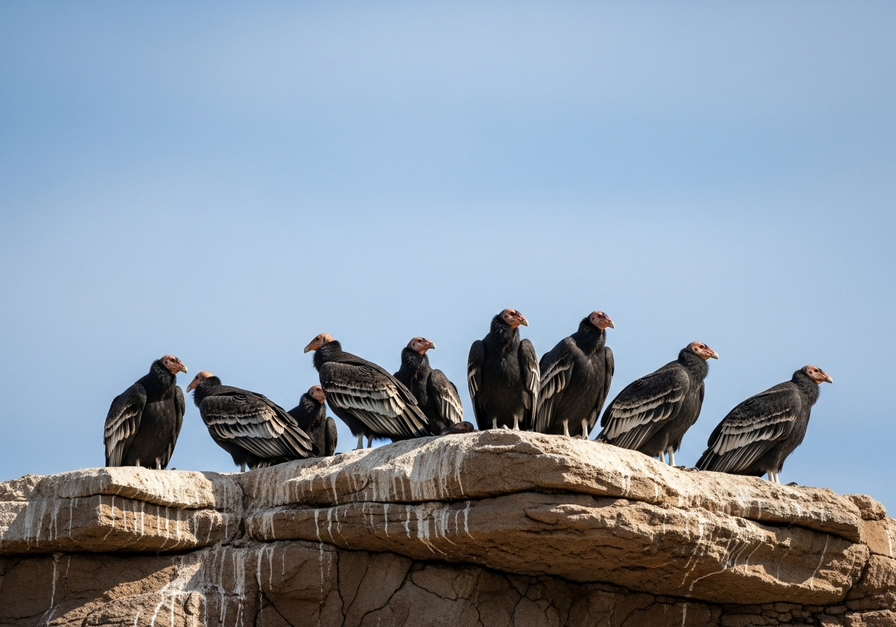
This photo provides a real-world example of how MVP principles guide captive breeding and reintroduction programs, reinforcing the article’s discussion of practical conservation outcomes.
Through meticulous captive breeding, genetic management to minimize inbreeding, and careful reintroduction efforts, the population has slowly grown. Today, there are hundreds of California Condors, both in captivity and flying free in the wild, a testament to the power of understanding and applying MVP principles. The program carefully manages genetic diversity and monitors population growth to ensure the species reaches and maintains a viable size.
Other Notable Examples:
- Black-footed Ferret: Once thought extinct, a small population was discovered in the 1980s. An intensive captive breeding program, guided by MVP considerations, has led to reintroductions across its historic range.
- Whooping Crane: With only 15 individuals left in the 1940s, conservation efforts focused on protecting their remaining habitat and establishing new migratory populations through captive breeding and fostering programs.
These examples highlight how MVP helps conservationists make informed decisions about:
- Habitat Protection: Ensuring enough high-quality habitat exists to support an MVP.
- Captive Breeding: Designing programs that maintain genetic diversity and produce enough individuals for reintroduction.
- Translocations: Moving individuals between isolated populations to boost genetic diversity and demographic stability.
- Corridors: Creating pathways that connect fragmented habitats, allowing for gene flow and preventing isolation.
Challenges and Nuances of MVP
While invaluable, the MVP concept is not without its challenges and complexities:
- Data Limitations: Accurate data on birth rates, death rates, and environmental factors can be difficult and expensive to collect, especially for rare or elusive species.
- Uncertainty: PVA models rely on assumptions and projections, which inherently carry a degree of uncertainty. Future environmental changes or unforeseen catastrophes can alter a population’s trajectory.
- Dynamic Nature: An MVP is not a static number. It can change if the environment changes, if new threats emerge, or if conservation interventions alter the population’s dynamics.
- Ethical Considerations: In situations with extremely limited resources, MVP analysis can sometimes lead to difficult decisions about which species can realistically be saved.
The Future of Conservation and MVP
The concept of Minimum Viable Population remains a cornerstone of conservation biology. As climate change accelerates and habitats continue to fragment, understanding and applying MVP principles will become even more critical. It provides a scientific framework for setting ambitious yet achievable conservation goals, moving beyond simply preventing immediate extinction to ensuring the long-term ecological and evolutionary health of species.
By focusing on MVPs, conservationists strive to create populations that are not just surviving, but thriving, capable of adapting to a changing world and contributing to the rich tapestry of life on Earth. Every individual, every gene, and every habitat plays a role in reaching and maintaining these vital thresholds, securing a future for our planet’s precious biodiversity.