In the intricate dance of nature, where plants strive to grow and pests seek sustenance, humanity has long sought ways to protect its crops and gardens. For centuries, the battle against unwanted organisms often involved a heavy hand, relying on broad spectrum chemical solutions. However, a more nuanced, sustainable, and ecologically sound philosophy has emerged and gained prominence: Integrated Pest Management, or IPM.
IPM is not merely a set of techniques; it is a comprehensive, common sense approach to pest control that prioritizes long term prevention of pests and their damage through a combination of methods. It is a philosophy that understands the interconnectedness of ecosystems, aiming to manage pest populations rather than eradicate them entirely, recognizing that complete eradication is often impossible and frequently detrimental to the environment.
Understanding the Core Principles of IPM
At its heart, IPM is about making informed decisions. It moves beyond a reactive spray and pray mentality, embracing a proactive strategy built on several fundamental principles:
- Prevention is Key: The primary goal of IPM is to prevent pest problems from occurring in the first place. This involves creating an environment where pests are less likely to thrive.
- Monitoring and Identification: You cannot manage what you do not understand. Regular scouting and accurate identification of pests and beneficial organisms are crucial.
- Action Thresholds: Not every pest sighting requires immediate intervention. IPM defines specific thresholds, or levels of pest population, that trigger management actions, ensuring interventions are only made when necessary.
- Multiple Tactics: IPM employs a diverse array of control methods, integrating them into a cohesive strategy. This multi pronged approach is more robust and sustainable than relying on a single solution.
- Least Toxic First: When intervention is required, IPM prioritizes methods that pose the least risk to human health, beneficial organisms, and the environment. Chemical pesticides are considered a last resort and are used judiciously.
The Pillars of IPM: A Multi-faceted Approach
The beauty of IPM lies in its versatility, drawing from a toolkit of strategies. These methods are often categorized into several key pillars:
Cultural Controls: Shaping the Environment
Cultural controls involve modifying growing practices to make the environment less favorable for pests and more favorable for plants. These are often the first line of defense in an IPM program.
- Crop Rotation: Changing the type of crop grown in a specific area each season can significantly disrupt pest life cycles. Many pests specialize in certain plants, and by removing their food source, their populations decline. For example, planting corn after soybeans can break the cycle of corn rootworm.
- Resistant Varieties: Selecting plant varieties that are naturally resistant or tolerant to common pests and diseases can dramatically reduce the need for other interventions.
- Proper Sanitation: Removing crop residues, weeds, and debris that can harbor pests or diseases is a simple yet effective cultural control.
- Optimized Planting Times: Planting crops when pests are less active or vulnerable can help them establish before pest pressure becomes severe.
- Water and Nutrient Management: Healthy, vigorous plants are more resilient to pest attacks. Providing appropriate water and nutrients without over fertilizing, which can attract certain pests, is vital.
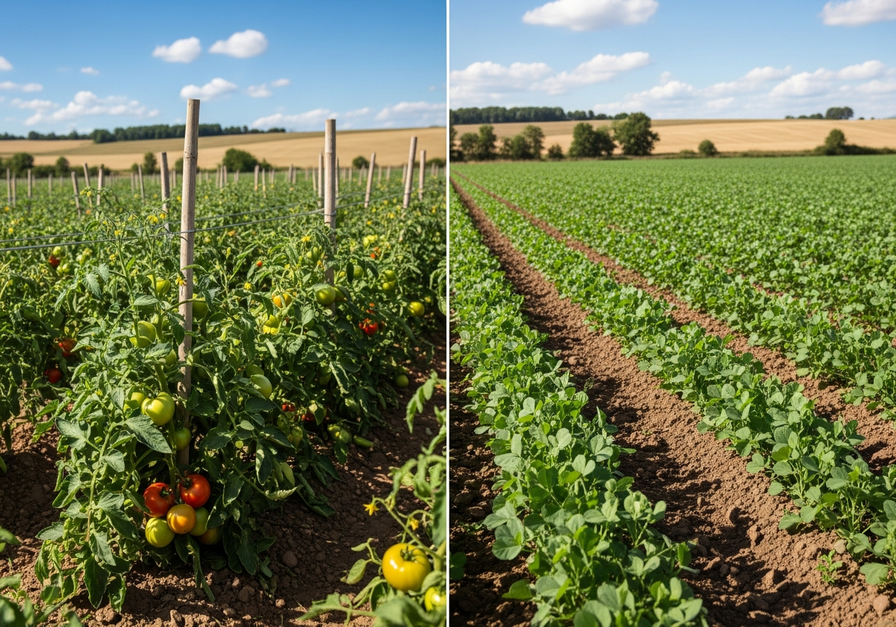
Illustrates the cultural control strategy of crop rotation, demonstrating how changing crops each season disrupts pest life cycles and reduces buildup.
Physical and Mechanical Controls: Barriers and Direct Action
These methods involve physically removing pests or creating physical barriers to prevent their access to plants. They are often highly effective and environmentally benign.
- Hand Picking: For smaller gardens or infestations, manually removing pests like slugs, snails, or larger caterpillars can be very effective.
- Traps: Sticky traps, pheromone traps, or light traps can be used to monitor pest populations or to directly capture and remove them.
- Row Covers and Netting: Physical barriers, such as fine mesh netting or floating row covers, can prevent flying insects from reaching susceptible plants. These covers allow light and water to pass through while keeping pests out.
- Weed Barriers: Mulches or landscape fabrics can suppress weeds, which often serve as alternative hosts for pests.
- Pruning: Removing infested plant parts can prevent the spread of pests or diseases.
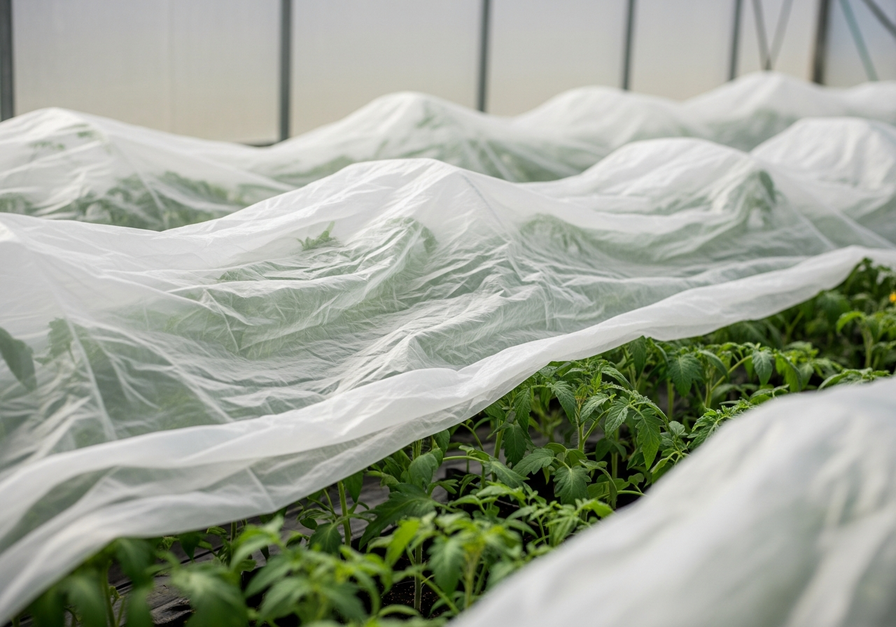
Depicts a physical control method used in IPM to prevent pest access while maintaining plant health, emphasizing non chemical prevention techniques.
Biological Controls: Nature’s Own Pest Managers
Biological control harnesses the power of natural enemies to keep pest populations in check. This is a cornerstone of ecological pest management.
- Beneficial Insects: Introducing or encouraging natural predators and parasitoids, such as ladybugs, lacewings, parasitic wasps, and predatory mites, can significantly reduce pest numbers. Ladybugs, for instance, are voracious eaters of aphids.
- Pathogens: Certain bacteria, fungi, or viruses can be used to infect and kill specific pests. Bacillus thuringiensis (Bt) is a well known bacterium used to control caterpillar pests.
- Nematodes: Microscopic beneficial nematodes can be applied to the soil to control soil dwelling pests like grubs and flea beetle larvae.
- Habitat Enhancement: Creating diverse habitats with flowering plants can attract and sustain populations of beneficial insects, providing them with nectar, pollen, and shelter.
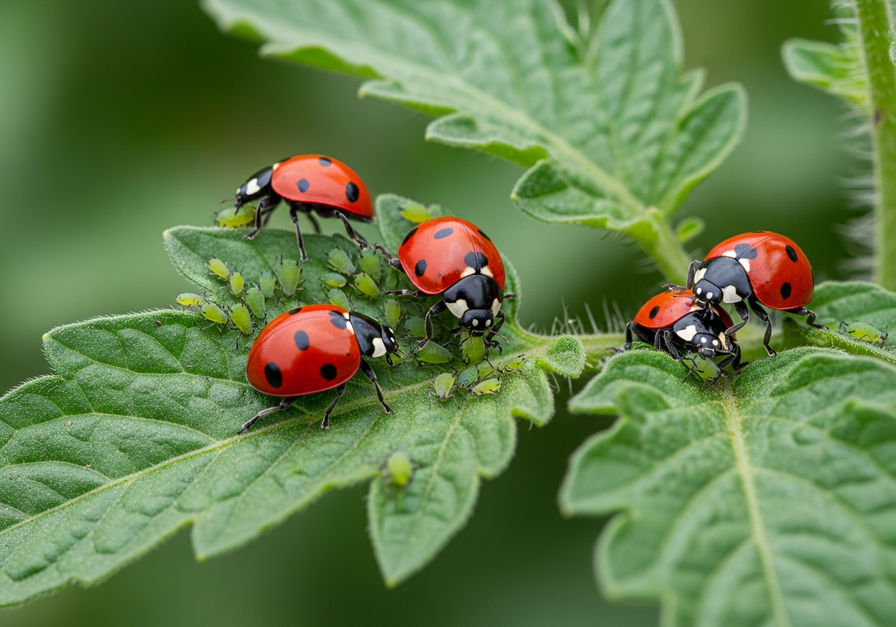
Shows the biological control aspect of IPM, illustrating how natural predators like ladybugs help keep pest populations in check without chemicals.
Chemical Controls: A Last Resort, Used Wisely
While IPM aims to minimize pesticide use, it does not eliminate it entirely. When other methods are insufficient, chemical controls may be employed, but always with careful consideration.
- Targeted Application: Instead of broad spectrum sprays, IPM favors highly specific pesticides that target only the pest in question, minimizing harm to beneficial insects and other non target organisms.
- Least Toxic Options: Biopesticides, insecticidal soaps, horticultural oils, and botanical extracts are often preferred over synthetic chemical pesticides due to their lower environmental impact.
- Timing: Pesticides are applied only when pests are most vulnerable and when action thresholds have been met, reducing the overall amount of chemical used.
- Rotation of Chemicals: To prevent pests from developing resistance, different classes of pesticides are rotated if chemical intervention is repeatedly necessary.
The IPM Process: A Step-by-Step Guide
Implementing IPM is a cyclical process that involves continuous observation and adjustment:
- Scouting and Monitoring: Regularly inspect plants and the environment for signs of pests, beneficial insects, and plant damage. This involves visual checks, sticky traps, and pheromone traps.
- Pest Identification: Accurately identify the pest or disease causing the problem. Knowing the pest’s life cycle and habits is crucial for effective management.
- Establish Action Thresholds: Determine the level of pest infestation that warrants intervention. This threshold varies depending on the crop, the pest, and the economic or aesthetic damage it causes.
- Select Control Tactics: Based on monitoring data and action thresholds, choose the most appropriate and least disruptive control methods from the cultural, physical, biological, and chemical categories.
- Implement and Evaluate: Apply the chosen control methods and then monitor their effectiveness. Did the pest population decrease? Was there any unintended impact? Adjust the strategy as needed.
The Profound Benefits of Embracing IPM
Adopting an IPM philosophy offers a multitude of advantages for growers, consumers, and the planet:
- Environmental Protection: Reduced reliance on broad spectrum pesticides protects biodiversity, water quality, and soil health. It minimizes harm to pollinators, beneficial insects, and wildlife.
- Reduced Health Risks: Lower exposure to pesticides for farmers, agricultural workers, and consumers leads to a healthier environment for everyone.
- Economic Savings: By using pesticides only when necessary and employing preventative measures, growers can often reduce input costs over the long term. Healthier ecosystems also lead to more stable yields.
- Sustainable Agriculture: IPM promotes practices that are environmentally sound, economically viable, and socially responsible, contributing to the long term sustainability of food production.
- Pest Resistance Management: Diversifying control methods reduces the selective pressure on pests, slowing the development of pesticide resistance, a critical issue in conventional agriculture.
IPM in Different Settings
While often associated with large scale agriculture, IPM principles are universally applicable:
- Home Gardens: Gardeners can implement IPM by choosing resistant plant varieties, rotating crops, hand picking pests, encouraging beneficial insects, and using row covers.
- Urban Landscapes: Managing pests in parks, golf courses, and residential areas benefits from IPM through proper plant selection, soil health management, and targeted treatments.
- Greenhouses: Controlled environments in greenhouses allow for precise IPM strategies, including biological controls and environmental manipulation.
- Public Health: IPM principles are also applied in managing pests like mosquitoes and rodents in urban areas, focusing on source reduction and targeted interventions.
Advanced Concepts and the Future of IPM
For those delving deeper into the science of pest management, IPM continues to evolve with advanced concepts:
- Ecological Engineering: This involves designing agricultural landscapes to enhance natural pest control services. Examples include planting hedgerows to provide habitat for beneficial insects or creating beetle banks.
- Decision Support Systems: Sophisticated computer models and data analytics are increasingly used to predict pest outbreaks, optimize monitoring efforts, and guide management decisions based on real time environmental data.
- Molecular Tools: Advances in molecular biology allow for rapid and accurate pest identification, detection of pesticide resistance, and even the development of highly specific biopesticides.
- Pest Resistance Management Strategies: Beyond simply rotating chemicals, advanced IPM focuses on understanding the genetic basis of resistance and deploying diverse tactics to delay its onset, ensuring the longevity of effective control options.
- Area Wide IPM: This approach coordinates pest management efforts across large geographical regions, often targeting highly mobile pests, to achieve greater collective impact than individual farm level efforts.
Integrated Pest Management represents a paradigm shift in how humanity interacts with the natural world in the context of food production and environmental stewardship. It is a testament to the power of observation, ecological understanding, and thoughtful action. By embracing IPM, we move towards a future where healthy ecosystems, bountiful harvests, and human well being are not mutually exclusive goals, but rather interconnected outcomes of a balanced approach.