
The quest for sustainable living has never been more urgent, and at its heart lies a fundamental understanding of our planet’s resources. Among these, renewable resources stand out as a beacon of hope, offering a path toward a future where human progress harmonizes with ecological balance. But what exactly are these resources, and why are they so crucial for our collective well-being?
Understanding Renewable Resources: The Earth’s Endless Gifts
At its core, a renewable resource is any natural resource that can replenish itself over relatively short periods, either through natural processes or sustainable management practices. Unlike finite non-renewable resources like fossil fuels or minerals, which exist in fixed quantities and take millions of years to form, renewable resources are continuously available or can be regenerated within a human timescale.
Think of it this way: the sun shines every day, the wind blows, rivers flow, and forests can regrow. These are not resources that we “use up” in the traditional sense, but rather forces and materials that nature constantly provides. Harnessing these gifts responsibly is key to ensuring a stable environment and a thriving society for generations to come.
The Pillars of Renewable Energy: Powering Our Future
When most people think of renewable resources, their minds often turn to energy. Indeed, the transition to clean, renewable energy sources is a cornerstone of global sustainability efforts. Let us explore some of the most prominent types:
Solar Energy: Tapping into the Sun’s Radiance
The sun is the ultimate source of nearly all energy on Earth. Solar energy captures this abundant power, primarily through two main technologies: photovoltaic (PV) panels and solar thermal systems. PV panels convert sunlight directly into electricity, while solar thermal systems use the sun’s heat to warm water or generate steam for electricity production. From vast solar farms to rooftop installations, solar technology is rapidly becoming a ubiquitous part of our energy landscape.
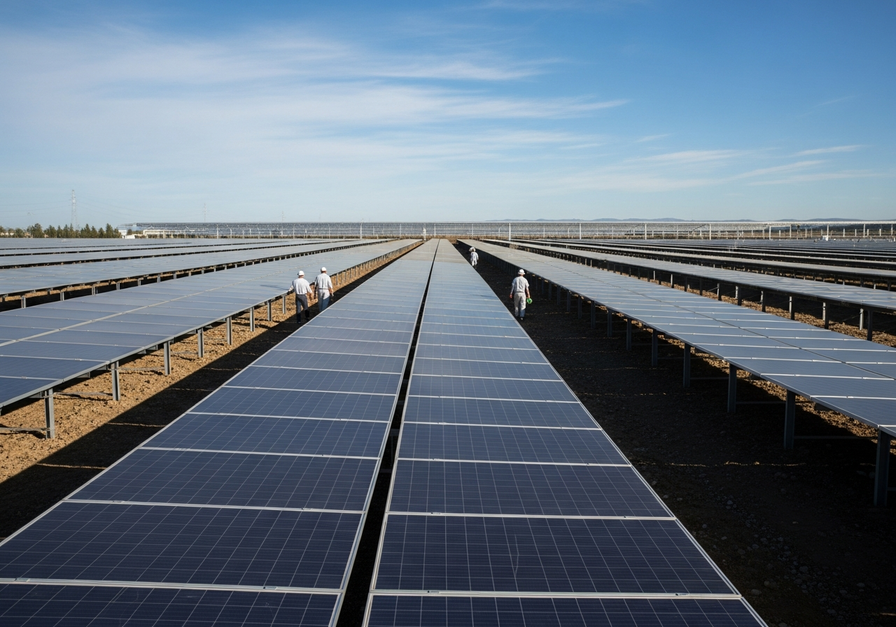
This image visually demonstrates the article’s discussion of solar energy as a renewable resource, showing the scale and aesthetic appeal of solar farms.
Wind Energy: Harnessing Nature’s Breath
Wind power captures the kinetic energy of moving air and converts it into electricity using towering wind turbines. These majestic structures are increasingly common sights, both on land (onshore wind farms) and at sea (offshore wind farms). Wind is a powerful and clean energy source, with advancements in turbine technology continually improving its efficiency and output.
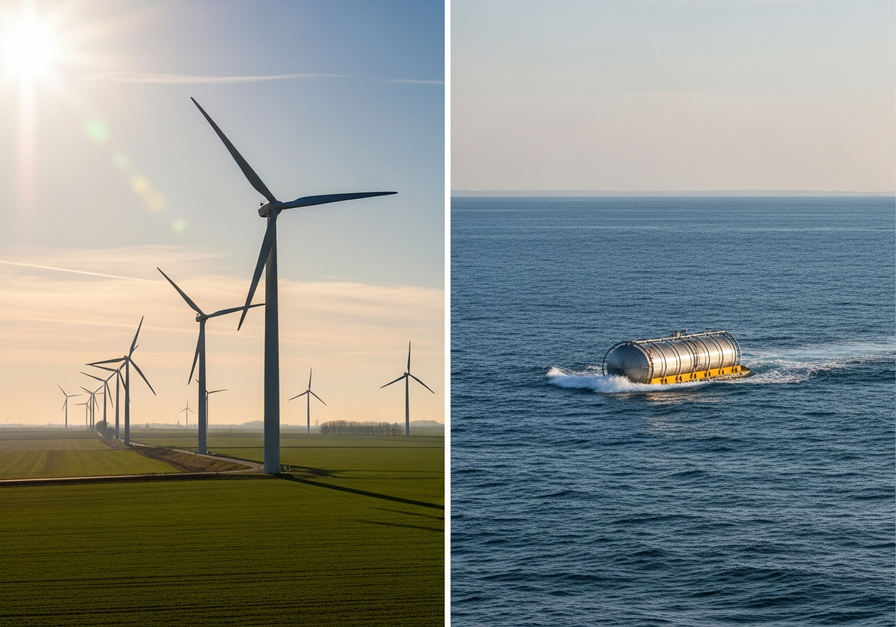
This contrast highlights multiple renewable energy types, wind and ocean, emphasizing the article’s point that renewable resources span diverse natural forces.
Hydropower: The Power of Flowing Water
Hydropower utilizes the energy of flowing or falling water to generate electricity. Large-scale hydroelectric dams create reservoirs, releasing water through turbines to produce power. Smaller “run-of-river” systems divert a portion of a river’s flow without creating a large reservoir, minimizing environmental impact. Hydropower is one of the oldest and most established forms of renewable energy, providing a significant portion of the world’s electricity.
Geothermal Energy: Earth’s Inner Heat
Deep within the Earth, immense heat is generated by the decay of radioactive isotopes. Geothermal energy taps into this constant heat source. Geothermal power plants use steam or hot water from underground reservoirs to drive turbines and generate electricity. Additionally, geothermal heat pumps can be used for heating and cooling buildings, leveraging the stable temperature of the Earth’s shallow crust.
Biomass Energy: Life’s Renewable Fuel
Biomass refers to organic matter derived from plants and animals, including agricultural waste, forest residues, and dedicated energy crops. This material can be burned directly to produce heat or electricity, or converted into biofuels like ethanol and biodiesel. The key to biomass being truly renewable lies in sustainable management, ensuring that new organic matter grows at a rate comparable to its consumption.
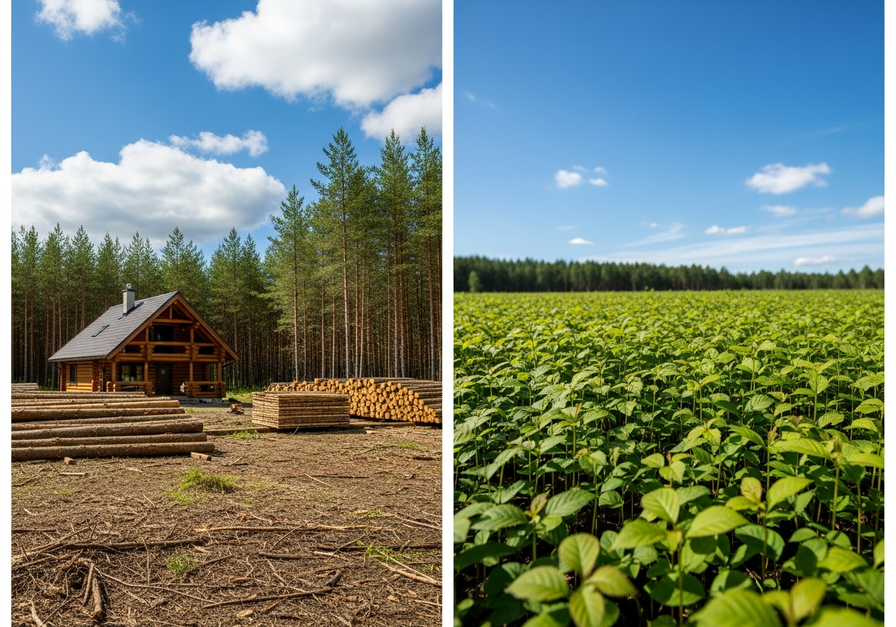
This image illustrates the concept of biomass renewability and sustainable management, aligning with the article’s explanation of responsible harvesting and replanting.
Ocean Energy: The Unseen Power of the Seas
The vast oceans hold immense untapped energy potential. Ocean energy encompasses several technologies, including tidal power, which harnesses the rise and fall of ocean tides, and wave power, which captures the energy from surface waves. While still in earlier stages of development compared to other renewables, ocean energy holds promise for coastal communities and island nations.
Beyond Energy: Other Vital Renewable Resources
While energy often dominates the discussion, many other essential resources are also renewable:
- Freshwater: Continuously replenished through the global water cycle of evaporation, condensation, and precipitation. Sustainable management involves protecting watersheds, reducing pollution, and efficient usage.
- Forests: Trees can be replanted and regrown, making timber a renewable resource when managed sustainably through responsible forestry practices.
- Fertile Soil: While soil formation is a slow process, its fertility can be maintained and even improved through sustainable agricultural practices like crop rotation, composting, and avoiding erosion.
- Air: Constantly renewed through atmospheric processes, though its quality can be severely degraded by pollutants, emphasizing the need for clean energy and industrial practices.
The Science of Renewability: A Deeper Dive
For a more specialized audience, understanding the scientific principles behind renewability is crucial. The concept hinges on natural cycles and the balance between consumption and regeneration.
Natural Cycles and Replenishment Rates
Renewable resources are intrinsically linked to Earth’s biogeochemical cycles:
- The Water Cycle: Drives hydropower and replenishes freshwater. Solar energy powers evaporation, lifting water into the atmosphere, which then returns as precipitation.
- The Carbon Cycle: Crucial for biomass. Plants absorb atmospheric carbon dioxide, converting it into organic matter. When biomass is used for energy, carbon is released, but if new plants are grown, the cycle can be balanced.
- Solar Radiation: The continuous fusion reactions in the sun provide a virtually inexhaustible supply of energy for billions of years, directly powering solar energy and indirectly driving wind and the water cycle.
- Geological Heat Flow: The Earth’s internal heat, sustained by radioactive decay, provides a constant source for geothermal energy.
The critical factor for renewability is that the rate of replenishment must equal or exceed the rate of human consumption. When consumption outpaces regeneration, even a theoretically renewable resource can become depleted or degraded, as seen with deforestation or overfishing.
Sustainability Principles in Practice
True renewability is not just about the resource existing, but about how we interact with it. This involves:
- Resource Efficiency: Using less of a resource to achieve the same outcome.
- Waste Reduction: Minimizing what we discard to lessen the demand for new resources.
- Closed-Loop Systems: Designing processes where materials are reused and recycled, mimicking natural ecosystems.
- Ecological Restoration: Actively repairing damaged ecosystems to enhance their capacity for regeneration.
Advantages of Embracing Renewable Resources
The benefits of transitioning to renewable resources are multifaceted, extending far beyond environmental protection:
- Environmental Stewardship: Significantly reduces greenhouse gas emissions, combating climate change and improving air quality. It also minimizes pollution of water and soil.
- Energy Independence and Security: Less reliance on volatile global fossil fuel markets, leading to greater national energy security and stable energy prices.
- Economic Growth and Job Creation: The renewable energy sector is a rapidly growing industry, creating millions of jobs in manufacturing, installation, operation, and research.
- Health Benefits: Cleaner air and water lead to fewer respiratory illnesses and other health problems associated with pollution from conventional energy sources.
- Decentralized Power: Many renewable technologies, like rooftop solar, enable localized power generation, increasing grid resilience and providing energy access to remote communities.
Navigating the Challenges and Forging Solutions
While the advantages are compelling, the widespread adoption of renewable resources also presents challenges that require innovative solutions:
- Intermittency: Solar power is only available when the sun shines, and wind power depends on the wind blowing. This variability requires robust solutions.
- Energy Storage: Advanced battery technologies, pumped-hydro storage, and other forms of energy storage are crucial for balancing supply and demand, ensuring a constant power supply.
- Infrastructure Development: Integrating large amounts of renewable energy into existing grids requires significant upgrades and smart grid technologies.
- Land Use: Large-scale solar and wind farms require substantial land areas, necessitating careful planning to minimize ecological impact and ensure community acceptance.
- Material Sourcing: The manufacturing of renewable energy technologies requires various materials, some of which are finite. Research into sustainable sourcing and recycling is ongoing.
The Horizon Ahead: A Future Powered by Renewables
The trajectory for renewable resources is one of continuous innovation and expansion. Breakthroughs in materials science, artificial intelligence for grid management, and more efficient energy storage solutions are constantly pushing the boundaries of what is possible. Global commitments to decarbonization, coupled with falling costs of renewable technologies, indicate a future where clean energy becomes the dominant force.
Ultimately, understanding and embracing renewable resources is not merely an environmental choice, but a strategic imperative for a prosperous and resilient future. It is about recognizing the Earth’s inherent generosity and learning to live in harmony with its natural cycles, ensuring that the gifts of nature continue to sustain us for countless generations.