The Enduring Journey: Unpacking the Global Phenomenon of Human Immigration
From the earliest human migrations across continents to the complex movements of people today, immigration is a fundamental thread woven into the tapestry of human history. It is a dynamic process that shapes societies, economies, and cultures across the globe. Far from being a recent phenomenon, the movement of people in search of new opportunities, safety, or connection is as old as humanity itself. Understanding immigration requires looking beyond headlines and delving into the intricate web of motivations, challenges, and profound impacts it creates.
This article will explore the multifaceted world of human immigration, from its basic definitions and driving forces to its diverse forms and far-reaching consequences. We will journey through time, examine the personal stories behind the statistics, and consider how this powerful force continues to redefine our world.

What is Immigration? Defining the Movement of People
At its core, immigration refers to the international movement of people into a destination country of which they are not natives or where they do not possess citizenship, in order to settle or reside there. While seemingly straightforward, this definition opens up a world of related concepts:
- Immigrant: An individual who moves to a new country with the intention of settling there permanently or for an extended period.
- Emigrant: An individual who leaves their country of origin to settle in another. The same person is both an emigrant from their home country and an immigrant to their new country.
- Migration: A broader term encompassing any movement of people from one place to another, including internal migration within a country. International migration specifically refers to movement across national borders.
- Refugee: A person who has been forced to leave their country in order to escape war, persecution, or natural disaster, and who has been granted legal protection in another country under international law.
- Asylum Seeker: A person who has left their country and is seeking protection from persecution and serious human rights violations in another country, but has not yet been legally recognized as a refugee.
These terms highlight the diverse circumstances under which people move, each carrying its own set of legal, social, and personal implications.
Why Do People Move? The Push and Pull Factors of Migration
The decision to leave one’s home and embark on a new life elsewhere is rarely simple. It is often driven by a complex interplay of “push” factors, which compel people to leave their country of origin, and “pull” factors, which attract them to a new destination.
Push Factors (Reasons to Leave)
- Economic Hardship: Lack of employment opportunities, low wages, poverty, and limited economic mobility are powerful motivators for people to seek better prospects elsewhere. For example, many individuals from developing nations migrate to industrialized countries in search of higher incomes and a better standard of living for their families.
- Political Instability and Conflict: War, civil unrest, political persecution, and human rights abuses force millions to flee their homes. The displacement of populations due to conflicts in regions like Syria or Ukraine exemplifies this tragic reality.
- Environmental Disasters: Climate change, natural disasters such as droughts, floods, and hurricanes, or environmental degradation can render areas uninhabitable or unsustainable, prompting mass movements of people. Coastal communities threatened by rising sea levels, for instance, may eventually become environmental migrants.
- Lack of Social Services: Inadequate healthcare, poor educational systems, and limited access to basic amenities can push individuals and families to seek countries with more robust social infrastructures.
Pull Factors (Reasons to Attract)
- Economic Opportunities: The promise of jobs, higher wages, and better career prospects is a primary draw. Countries with booming industries or labor shortages often attract skilled and unskilled workers alike. Consider the tech sector in Silicon Valley, which draws talent from across the globe.
- Political Stability and Safety: A secure environment, respect for human rights, and democratic governance are strong attractions for those fleeing persecution or instability. Nations known for their peace and rule of law often become destinations for asylum seekers and refugees.
- Family Reunification: Many people immigrate to join family members who have already settled in another country. This desire to be with loved ones is a significant driver of migration flows worldwide.
- Educational Opportunities: Access to world-class universities and educational institutions is a major pull factor for students and their families, who often see it as a pathway to future success.
- Quality of Life: Factors like better healthcare, cleaner environments, cultural freedoms, and a higher overall standard of living can make a country an appealing destination.
Diverse Paths: Exploring the Types of Immigration
Immigration is not a monolithic phenomenon; it encompasses a wide spectrum of movements, each with its own characteristics and legal frameworks. Understanding these distinctions is crucial for grasping the complexities of global migration.
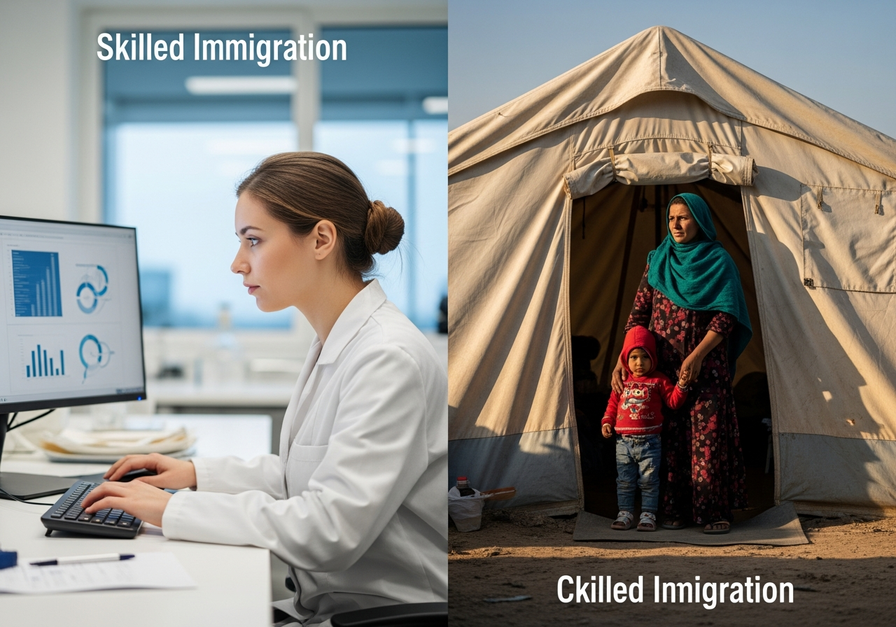
1. Economic or Skilled Migration
This category involves individuals who move to another country primarily for work or to pursue better economic opportunities. Often, these migrants possess specific skills, education, or professional qualifications that are in demand in the destination country. For example, a software engineer from India moving to Germany for a tech job, or a nurse from the Philippines relocating to the United Kingdom, represents skilled migration. These individuals often contribute significantly to the host country’s economy and innovation.
2. Family-Based Migration
A substantial portion of global migration is driven by the desire for family reunification. This type of immigration allows citizens or permanent residents of a country to sponsor their close family members, such as spouses, children, parents, or siblings, to join them. This pathway emphasizes the human need for connection and support, ensuring families can remain together or reunite after periods of separation.
3. Humanitarian Migration (Refugees and Asylum Seekers)
This is perhaps the most urgent and often involuntary form of migration. Refugees are individuals who have fled their home country due to a well-founded fear of persecution, conflict, or violence, and cannot return. Asylum seekers are those who have applied for refugee status and are awaiting a decision. Their movement is not a choice but a necessity for survival. International laws and conventions, such as the 1951 Refugee Convention, provide a framework for their protection, obliging signatory states to offer sanctuary. Examples include those fleeing the war in Ukraine or political persecution in Venezuela.
4. Irregular or Undocumented Migration
This refers to the movement of people across national borders without authorization or outside the legal frameworks of the destination country. This can occur for various reasons, including overstaying a visa, entering a country without inspection, or being smuggled across borders. While often driven by the same push and pull factors as legal migration, irregular migration carries significant risks and challenges for the individuals involved, including exploitation and lack of legal protection.
5. Student Migration
Millions of students cross international borders each year to pursue higher education. While often temporary, student migration can sometimes be a pathway to permanent residency, especially for those who acquire valuable skills and integrate into the host country’s labor market after graduation. Countries like the United States, Canada, and Australia are major destinations for international students.
The Impact of Immigration: A Multifaceted Story
Immigration profoundly impacts both the countries people leave and the countries they arrive in, creating a complex web of economic, social, and cultural transformations.
Economic Contributions
- Labor Force: Immigrants often fill critical labor shortages, from highly skilled positions in technology and healthcare to essential roles in agriculture and construction. They contribute to the workforce, ensuring industries can thrive and economies grow.
- Entrepreneurship: Immigrants have remarkably high rates of entrepreneurship, starting businesses at a greater rate than native-born populations. These businesses create jobs, foster innovation, and contribute to local economies. Think of the countless immigrant-owned restaurants, shops, and tech startups that enrich communities.
- Consumption and Demand: As new residents, immigrants contribute to the consumer base, purchasing goods and services, renting homes, and paying taxes, thereby stimulating economic activity.
- Remittances: Immigrants often send money back to their home countries (remittances), which can be a vital source of income for families and a significant contributor to the economies of origin countries.
Cultural and Social Enrichment
Immigration is a powerful engine of cultural exchange, leading to more diverse and vibrant societies.
- Culinary Diversity: Immigrant communities introduce new cuisines, flavors, and cooking traditions, enriching the gastronomic landscape of their new homes.
- Arts and Music: New languages, musical styles, artistic expressions, and literary traditions are brought by immigrants, contributing to a richer cultural tapestry.
- New Perspectives: The diverse experiences and viewpoints of immigrants can foster innovation, challenge existing norms, and lead to new ways of thinking and problem-solving within a society.
- Demographic Renewal: In many aging societies, immigration helps to offset declining birth rates, maintaining a younger population profile and ensuring the sustainability of social security systems and labor markets.
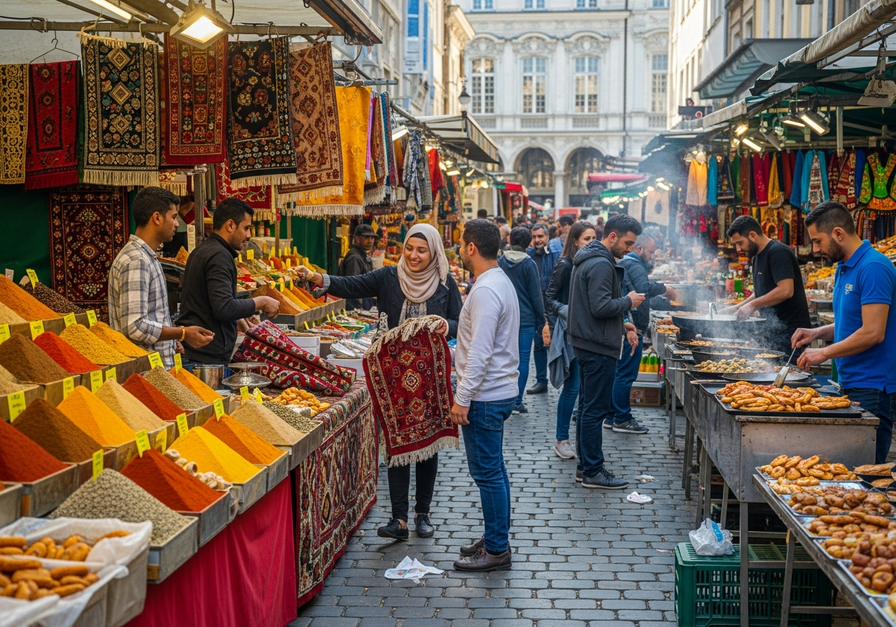
The vibrant street markets found in many global cities are living testaments to the economic and cultural dynamism that immigration brings. Here, spices from distant lands mingle with local produce, and conversations in multiple languages create a unique, bustling symphony of human interaction.
Challenges and Considerations
While the benefits are substantial, immigration also presents challenges that societies must address:
- Integration: Ensuring that immigrants can successfully integrate into their new societies, including learning the language, finding employment, and accessing social services, is crucial.
- Social Cohesion: Differences in culture, language, and customs can sometimes lead to social tensions or misunderstandings, requiring proactive efforts to foster mutual understanding and respect.
- Strain on Resources: Rapid influxes of immigrants can place temporary strains on public services like housing, healthcare, and education, necessitating careful planning and investment.
- Brain Drain: For countries of origin, the emigration of highly skilled individuals can lead to a “brain drain,” impacting their own development and capacity.
Immigration Policies and Global Governance
Governments worldwide grapple with the complexities of managing immigration through a variety of policies and legal frameworks. These policies aim to balance national interests, economic needs, humanitarian obligations, and security concerns.
- Quota Systems: Many countries set limits on the number of immigrants allowed each year, often categorized by skill level, family ties, or refugee status.
- Visa Categories: Different types of visas are issued for various purposes, such as work visas, student visas, tourist visas, and family reunification visas, each with specific requirements.
- Border Control: Nations invest in border security measures to regulate entry and prevent irregular migration.
- Integration Programs: Some governments offer language classes, job training, and cultural orientation programs to help newcomers adapt to their new environment.
Internationally, organizations like the United Nations play a role in developing global frameworks for migration, advocating for the rights of migrants, and coordinating responses to humanitarian crises. However, immigration policy remains largely within the sovereign domain of individual nations, leading to a diverse and often disparate landscape of approaches.
The Enduring Human Story
Immigration is more than just statistics and policy debates; it is a deeply human story of hope, resilience, struggle, and adaptation. It is the story of families seeking a better future, individuals fleeing persecution, and communities enriched by new arrivals. As our world becomes increasingly interconnected, the movement of people will continue to be a defining feature of human civilization.
Understanding immigration in all its facets allows us to appreciate its profound impact on societies, to address its challenges with empathy and foresight, and to recognize its enduring role in shaping the diverse, dynamic, and ever-evolving human landscape.